

Boosting your credit score doesn’t have to be complicated. Start by making on-time payments and consider automating them to avoid missed due dates. Aim to keep your credit utilization below 30% by paying down existing debt and asking for higher credit limits. Maintain older accounts to lengthen your credit history, and diversify your credit types by adding loans if possible. Limit new credit inquiries to avoid temporary dips in your score. Stick around to discover more helpful tips!
Key Takeaways
- Set up automatic payments or reminders to ensure timely payment and avoid late fees that harm your credit score.
- Keep your credit utilization ratio below 30% by making extra payments or requesting credit limit increases.
- Maintain older credit accounts to build a longer credit history, which positively influences your credit score.
- Diversify your credit mix by adding installment loans to balance your credit profile beyond just credit cards.
- Limit new credit applications to minimize hard inquiries, which can temporarily lower your credit score.

When you want to improve your credit score, understanding the factors that influence it is essential. Your credit score is a snapshot of your financial health, reflecting how responsibly you manage your debts and payments. Several key factors determine your score, including payment history, credit utilization, length of credit history, types of credit, and new credit inquiries. By focusing on these areas, you can take actionable steps to boost your score.
Understanding the factors that influence your credit score is crucial for improving your financial health.
First, prioritize your payment history. Late payments can considerably harm your score, so set reminders or automate your payments to ensure you never miss a due date. Even one missed payment can linger on your credit report for up to seven years, so consistency is key. If you’re struggling to make payments, consider reaching out to your creditors to discuss possible options. They may offer hardship plans or deferments that can help you manage your repayments without damaging your score further.
Next, pay attention to your credit utilization ratio, which is the amount of credit you’re currently using compared to your total available credit. Ideally, you should aim to keep this ratio below 30%. If you’ve maxed out your cards, consider making extra payments or asking for credit limit increases, as both can improve your utilization ratio. Reducing your overall debt load will not only boost your score but also enhance your financial stability.
Length of credit history matters too. If you’re new to credit, it might take time to build a strong score. However, avoid closing old credit accounts, as having a longer credit history can favorably impact your score. Even if you’re not using those accounts, they still contribute to your overall credit profile.
When it comes to types of credit, diversification can be advantageous. If you only have credit cards, consider adding an installment loan, like an auto loan or personal loan, to your credit mix. Just ensure you’re able to manage the additional payments responsibly.
Lastly, limit new credit inquiries. Each time you apply for new credit, a hard inquiry appears on your report, which can slightly decrease your score. Be strategic about your applications and only apply when necessary. By following these simple actions, you can take control of your credit score and work towards achieving a brighter financial future. Remember, improvement takes time, but consistency and responsible financial habits will yield positive results. Additionally, consider the impact of credit utilization as maintaining a low ratio can significantly enhance your credit profile.
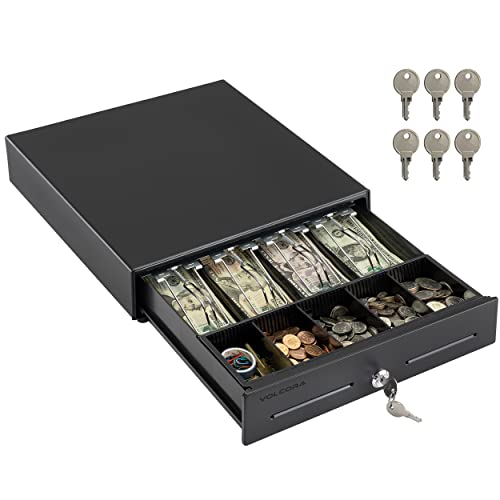
Volcora 13" Electronic Cash Register Drawer for Point of Sale (POS) System with 4 Bill 5 Coin Cash Tray, Removable Coin Compartment, 12-24V, RJ11/RJ12 Key-Lock, Black – for Small Businesses
- Durable Metal Frame: Heavy-duty metal construction for longevity
- 13×13.25×4 Inches: Compact size suitable for small spaces
- 12-24V Power Supply: Compatible with standard POS systems
As an affiliate, we earn on qualifying purchases.
As an affiliate, we earn on qualifying purchases.
Frequently Asked Questions
How Long Does It Take to See Credit Score Improvements?
You can start seeing credit score improvements in as little as a month, but it often takes a few months of consistent actions to notice significant changes. Factors like paying down debt, making on-time payments, and reducing credit utilization all contribute to your score. Just remember, every situation’s different, so your timeline might vary. Stay patient and keep working on good credit habits, and you’ll eventually see the results you want.
Will Closing Old Accounts Hurt My Credit Score?
Yes, closing old accounts can hurt your credit score. It reduces your credit history length, which is a key factor in your score. It also increases your credit utilization ratio if you’re closing a credit card, impacting your available credit. Instead of closing them, consider keeping them open and using them occasionally. This way, you maintain a longer credit history and a healthier credit mix, which can ultimately benefit your score.
Can I Boost My Score Without a Credit Card?
Yes, you can boost your credit score without a credit card. Start by paying off existing loans and bills on time, as timely payments positively impact your score. Consider becoming an authorized user on someone else’s credit card; this can help you benefit from their credit history. Also, keep your credit utilization low on any accounts you have, and regularly check your credit report for errors that you can dispute.
How Often Should I Check My Credit Report?
You should check your credit report at least once a year. However, if you’re actively working on improving your score or planning a big purchase, consider checking it more frequently—like every few months. This way, you can catch any inaccuracies or signs of identity theft early. Plus, understanding your credit report helps you make informed financial decisions and track your progress over time. Staying proactive keeps you in control of your credit health.
Do Credit Inquiries Affect My Score Immediately?
Yes, credit inquiries can affect your score immediately, but don’t panic! When you apply for new credit, lenders perform a hard inquiry that might lower your score temporarily. However, the impact usually fades within a few months. It’s essential to manage your applications wisely, so you don’t overwhelm your credit profile. Remember, a few inquiries won’t define your financial future, but staying informed can help you make smarter decisions.

2Pcs 8 Digit Silver and Black Ultra Thin Solar Power Calculator with Touch Screen Credit Card Design Portable Mini Calculator for Business School Basic Office
- Pack Includes Two Calculators: Set of 2 ultra-thin calculators in black and silver
- Solar Powered Operation: Energy-efficient solar panel for reliable use
- Touch Screen Display: Responsive 8-digit touch-sensitive buttons
As an affiliate, we earn on qualifying purchases.
As an affiliate, we earn on qualifying purchases.
Conclusion
In today’s fast-paced world, a solid credit score can feel as essential as a smartphone in your pocket. By taking simple actions like paying bills on time, reducing debt, and checking your credit report regularly, you can give your score the boost it needs. Remember, it’s not just about numbers; it’s about opening opportunities for your future. So, take charge today and watch your credit score soar as high as your ambitions!

Credit Score Improvement: A Book Guide To Repair Your Credit Score
As an affiliate, we earn on qualifying purchases.
As an affiliate, we earn on qualifying purchases.

Resources: Credit Building Library: Your Gateway to Credit Solutions for Bad Credit, Auto Loans, and Second-Chance Banking
As an affiliate, we earn on qualifying purchases.
As an affiliate, we earn on qualifying purchases.