
Teaching financial literacy to kids can be fun and engaging! Involve them in everyday activities like grocery shopping to learn budgeting, or use games like Monopoly to practice money management. Encourage them to set savings goals and earn money through chores, helping them understand the value of hard work. Create a safe space for open conversations about money to foster ongoing learning. There’s so much more to explore about making money management enjoyable!
Key Takeaways
- Involve children in grocery shopping to teach budgeting by making real-life financial decisions together.
- Use games like Monopoly to engage kids in learning about money management and financial concepts.
- Encourage kids to set savings goals for items they want, breaking the process into manageable steps.
- Teach children to earn money through chores and understand the difference between needs and wants.
- Foster open discussions about money to normalize financial topics and enhance ongoing learning about financial literacy.
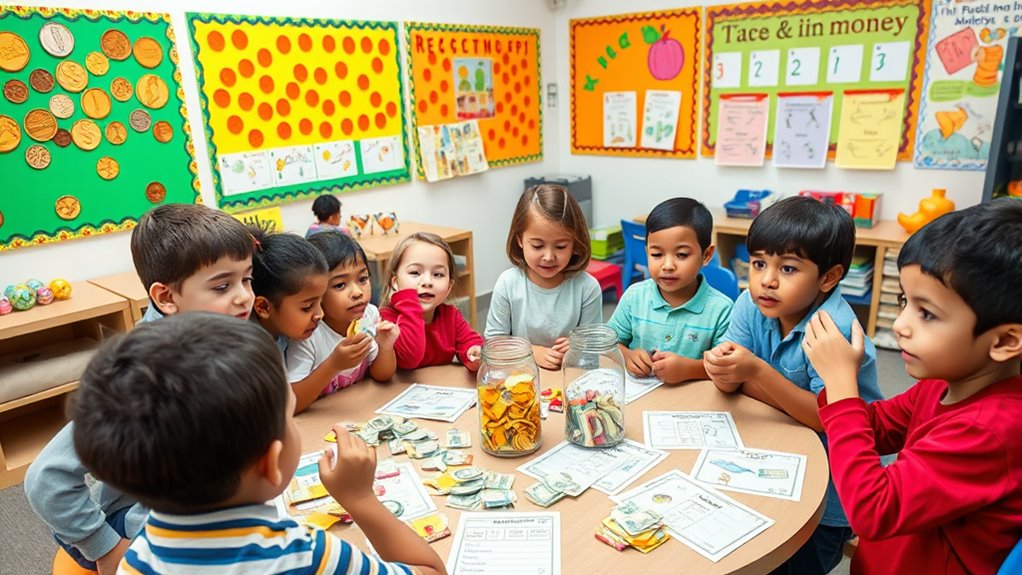
Have you ever wondered how to help your kids make smart money choices? It’s a vital skill that can set them up for a successful future. Teaching financial literacy isn’t just about numbers; it’s about instilling values and habits that will guide them through life. You can make this learning process both fun and practical, allowing your kids to engage with concepts that might otherwise seem boring or overwhelming.
Helping kids make smart money choices is essential for their future, blending fun learning with valuable life skills.
Start by introducing basic money concepts in a relatable way. Use real-life scenarios they encounter daily, like shopping or saving for a new toy. When you go grocery shopping, involve them in budgeting decisions. Give them a small amount of money and let them choose how to spend it wisely. This hands-on experience can teach them about making choices and understanding value.
Games offer another fantastic opportunity for financial learning. Board games like Monopoly or online apps that simulate managing money can make learning enjoyable. While playing, discuss concepts like saving, investing, and the consequences of overspending. These conversations can help them grasp the importance of financial responsibility in a relaxed setting.
Encourage your kids to set their financial goals. Whether it’s saving for a video game or a new bicycle, guide them through creating a plan. Help them break down the savings process into manageable steps. This hands-on approach not only teaches them about saving but also about patience and delayed gratification. Celebrate their achievements, no matter how small, to reinforce positive behavior.
Introduce them to the concept of earning money through chores or small jobs. This not only teaches them the value of hard work but also introduces them to the idea of income. Discuss the difference between needs and wants, helping them prioritize their spending. This understanding will serve them well as they grow older and face more complex financial decisions.
Finally, make financial literacy an ongoing conversation. Share stories from your own experiences, both successes and mistakes. When kids see that even adults struggle with money sometimes, they’ll feel more comfortable discussing their own financial challenges. By fostering an open dialogue about money, you’re creating a safe space for learning and growth.
To further enhance their understanding, consider incorporating basic money concepts such as budgeting and saving into everyday activities.
You have the power to shape your children’s financial futures. By making financial literacy fun and practical, you’re equipping them with the tools they need to make smart money choices throughout their lives.

HP OmniBook 3 17.3 inch Laptop PC, FHD Display, AMD Ryzen 3 30, 8 GB RAM, 512 GB SSD, AMD Radeon 610M Graphics, Windows 11 Home, Mica Silver, 17-dp0199nr
- Display: 17.3-inch FHD IPS screen with wide angles
- Processor: AMD Ryzen 3 30 for reliable performance
- Battery Life: Up to 14 hours and 15 minutes
As an affiliate, we earn on qualifying purchases.
Frequently Asked Questions
What Age Is Best to Start Teaching Kids About Money?
The best age to start teaching kids about money is around 5 or 6 years old. At this age, they can grasp basic concepts like saving, spending, and sharing. You can introduce them to coins and simple budgeting through games or activities. As they grow, you can build on these lessons with more complex ideas. Making it fun and engaging will help them develop a positive relationship with money that lasts a lifetime.
How Can I Make Budgeting Fun for Kids?
Budgeting can be as exciting as a treasure hunt! To make it fun for kids, turn budgeting into a game. Use colorful charts or apps that allow them to track their spending visually. Set goals for saving, and reward them when they reach those goals. You could also create a family challenge to stick to a budget for a week. This way, they’ll grasp the concept while having a blast!
What Resources Are Available for Teaching Financial Literacy?
You can find plenty of resources for teaching financial literacy, like interactive apps, games, and books tailored for kids. Websites like Junior Achievement offer lesson plans and activities. Local libraries often have workshops or materials you can borrow. You might also check out online courses designed for kids. Don’t forget to explore YouTube channels that explain budgeting and saving in a fun way. These tools can make learning about money exciting for your child!
How Do I Explain Credit and Debt to Children?
Imagine a tree that grows fruit. Credit is like watering it—you can nurture it to produce more. Explain to your child that credit lets you borrow money, but if you don’t repay it, the tree wilts. Debt, on the other hand, is like picking fruit too early; it can lead to a struggle later. Help them see the balance: managing credit wisely makes the tree flourish, while misusing it can drain its life.
What Are Common Mistakes Parents Make in Financial Education?
Common mistakes parents make in financial education include not discussing money openly, assuming kids understand concepts like saving or spending, and focusing solely on rules instead of real-life applications. You might overlook the importance of teaching by example, which can lead to confusion. Also, avoiding conversations about mistakes can prevent kids from learning valuable lessons. Instead, engage them in discussions, share experiences, and encourage questions to foster a better understanding of finances.
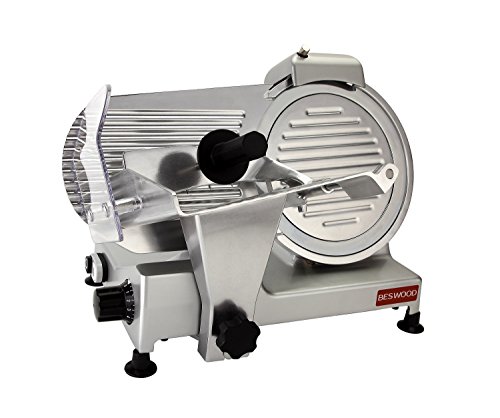
BESWOOD 10" Electric Deli Meat Slicer, Cheese Food Slicer with Premium Chromium-plated Steel Blade, for Commercial and for Home Use 240W, BESWOOD250
- Blade Material: Premium Chromium-plated Steel Blade
- Blade Maintenance: No frequent sharpening needed
- Safety Feature: Double Illuminated ON/OFF Switch
As an affiliate, we earn on qualifying purchases.
Conclusion
Teaching kids about financial literacy isn’t just important; it’s essential for their future. Did you know that only 17% of high school students in the U.S. are required to take a personal finance course? By introducing fun lessons and practical activities, you can help change that statistic and set your children up for success. Empower them with the knowledge to make smart money decisions, and watch them thrive as financially savvy individuals in an increasingly complex world.

Nordstrom Rack Physical Gift Card
- Versatile gift for any occasion: Choose amount and design
- Redeem online and in-store: Use for deals anytime
- Wide selection of products: Clothing, shoes, accessories, beauty, home
As an affiliate, we earn on qualifying purchases.

Kids Book Projector - 5 Read-Aloud Stories, 5 Songs, Night Light & Soothing Dream Music | Children Ages 3+ Storytime Projector for Kids & Toddlers | Educational Toys, Owl
- Screen-Free Storytime: Transforms bedtime with stories and songs
- Includes 5 Read-Aloud Stories: Classic tales with 750+ images
- Soothing Nightlight and Music: Calming glow with auto shut-off
As an affiliate, we earn on qualifying purchases.