
Salad innovations have taken your dining experience to new heights, moving well beyond just lettuce and tomatoes. You’ll find vibrant grains like quinoa and hearty options such as roasted butternut squash. Greens have expanded to include arugula and kale, and fresh herbs add exciting layers of flavor. Creative dressings, like avocado and tahini, elevate each bite, while plant-based ingredients cater to diverse diets. There’s a whole world of flavors and textures waiting for you to discover.
Key Takeaways
- Salads now incorporate hearty grains like quinoa and farro, adding texture and nutritional value beyond traditional lettuce and tomatoes.
- Roasted vegetables, such as butternut squash, offer warmth and depth, enhancing the overall flavor profile of salads.
- Unexpected toppings like crunchy chickpeas, nuts, and seeds add texture and visual appeal, transforming the classic salad experience.
- Innovative dressings, including tahini and avocado-based options, elevate flavors while maintaining a focus on healthfulness and creativity.
- Plant-based alternatives allow salads to mimic traditional dishes, catering to diverse dietary preferences and encouraging culinary exploration.
As you explore the evolving world of salads, you’ll discover that innovation is transforming this classic dish into something extraordinary. Gone are the days when salads were just a mix of lettuce and tomatoes. Today, chefs and home cooks alike are pushing boundaries, introducing new ingredients and flavors that elevate salads to gourmet status.
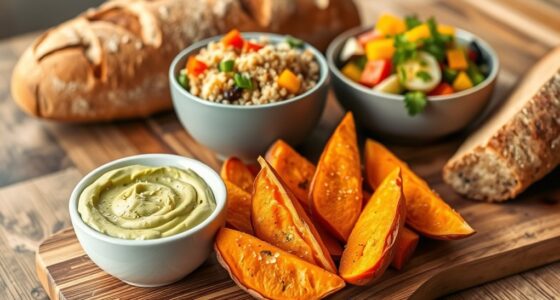
Imagine walking into a restaurant and seeing salads that feature vibrant grains like quinoa, farro, or even wild rice. These hearty additions not only provide a satisfying texture but also pack a nutritional punch. You might find a warm quinoa salad topped with roasted butternut squash, cranberries, and a zesty citrus vinaigrette. It’s a delightful combination that shows how salads can be both filling and flavorful.
You’ll also notice that the variety of greens has exploded. Forget the standard iceberg or romaine; now you can experiment with arugula, kale, or even baby spinach. Each green brings its own unique flavor and texture, allowing you to mix and match to create your perfect base. Toss in some fresh herbs like cilantro, mint, or basil, and you’ll see how these aromatic additions can brighten up any dish.
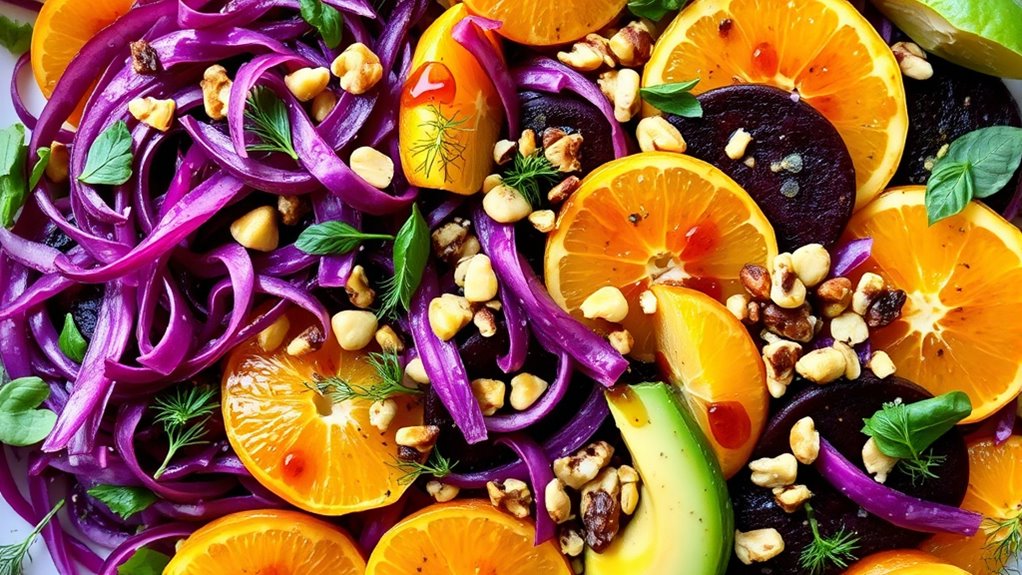
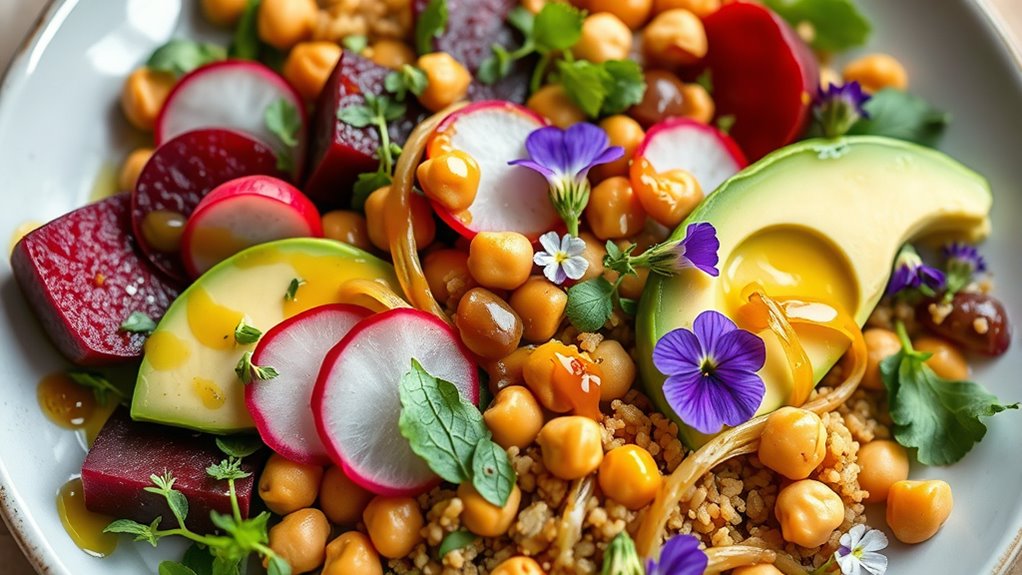
Don’t underestimate the power of unexpected toppings either. Think about adding nuts, seeds, or crunchy chickpeas for texture. You might even find salads adorned with surprising elements like pickled vegetables or fruit slices. Imagine a salad with roasted beets, goat cheese, and sliced oranges, drizzled with balsamic glaze. It’s a vibrant, colorful dish that looks as good as it tastes.
Dressings have also taken a turn for the creative. You’ve likely tried classic options like ranch or vinaigrette, but today’s salads often feature innovative dressings made with tahini, avocado, or yogurt. These modern takes can enhance the flavors of your salad while keeping it healthy. A creamy avocado dressing over a medley of roasted veggies can transform your meal into something truly special.
The trend toward plant-based eating has also influenced salad innovations. You might find salads that mimic traditional dishes, like a Caesar salad made with cashew-based dressing or a taco salad featuring lentil ‘meat.’ These creative spins not only cater to various dietary preferences but also inspire everyone to explore new flavors and ingredients.
In a world where culinary creativity knows no bounds, salads have become a canvas for experimentation. Embrace this evolution and let your next salad surprise you with its variety and flavor, proving that even the simplest dishes can undergo a transformation. Additionally, consider how the importance of pet-friendly dining can enhance your experience when enjoying meals with your furry friends.
Frequently Asked Questions
How Can I Make My Salad More Filling Without Adding Meat?
To make your salad more filling without adding meat, incorporate hearty ingredients like quinoa, chickpeas, or lentils. These legumes add protein and fiber, keeping you satisfied longer. You can also toss in healthy fats like avocado or nuts, which enhance flavor and texture. Don’t forget to include a variety of colorful vegetables for added nutrients. Ultimately, a protein-rich dressing, such as tahini or yogurt-based ones, can elevate the meal’s fullness.
What Are Some Unique Dressings to Try With Innovative Salads?
Try experimenting with unique dressings like a zesty tahini lemon dressing, a creamy avocado cilantro lime blend, or a spicy mango vinaigrette. You could also mix up a tangy miso ginger dressing or whip together a raspberry balsamic reduction. Each of these options adds depth and flavor to your salads, making them not only more delicious but also exciting. Don’t be afraid to get creative and find combinations that you love!
Are There Any Salads That Can Be Made Ahead and Stored?
Yes, you can definitely make salads ahead and store them! Choose hearty ingredients like quinoa, beans, or roasted vegetables, which hold up well. Assemble your salad in layers, placing dressing at the bottom to keep greens fresh. Store it in an airtight container in the fridge for up to three days. When you’re ready to eat, just shake it up, and you’ll have a delicious, ready-to-go meal!
How Do I Choose Seasonal Ingredients for My Salads?
To choose seasonal ingredients for your salads, start by checking local farmers’ markets or grocery stores for what’s fresh. Look for vibrant colors and firm textures, which usually indicate peak ripeness. Consider the season—spring might bring peas and radishes, while fall offers squash and apples. Don’t hesitate to ask vendors for recommendations. Your salads will taste better and support local agriculture, making your meals not just healthier, but also more sustainable.
Can Salads Be a Complete Meal for Meal Prep?
Absolutely, salads can be a complete meal for meal prep! By incorporating a variety of proteins like grilled chicken, beans, or tofu, along with whole grains and healthy fats, you’ll create a balanced dish. Don’t forget to add colorful veggies for nutrients. To keep things fresh, prepare dressings separately and mix them in just before eating. This way, you’ll enjoy delicious, satisfying salads throughout the week without losing flavor or texture.
Conclusion
Salad innovations are transforming the way we think about this classic dish. With over 50% of Americans now incorporating non-lettuce greens like kale and arugula into their salads, it’s clear that creativity is key. You can experiment with unique ingredients like roasted vegetables, fruits, and grains to elevate your meals. So, next time you whip up a salad, don’t just stick to the basics—embrace the endless possibilities and make your salad truly shine!