
Sustainable cooking means minimizing food waste in your kitchen by planning meals wisely. Begin by creating a shopping list based on your meal plans, ensuring you only buy what you need. Choose in-season, local ingredients for freshness and lower impact. Store your produce correctly to keep them fresh longer, and manage portions to avoid uneaten food. Get creative with leftovers to make delicious new meals. Discover more tips and tricks for a more sustainable kitchen!
Key Takeaways
- Plan weekly meals and create shopping lists to avoid impulse purchases and minimize excess food.
- Choose seasonal, locally sourced ingredients to enhance freshness and support sustainable food systems.
- Store fruits and vegetables properly to prolong freshness and reduce spoilage.
- Serve smaller portions and use transparent containers to manage leftovers effectively and encourage reuse.
- Compost food scraps to enrich soil and reduce landfill waste, promoting eco-friendly waste management practices.

Sustainable cooking isn’t just a trend; it’s a vital approach to how you prepare meals while caring for the planet. One of the most impactful ways to practice sustainable cooking is by reducing food waste in your kitchen. When you make a conscious effort to minimize waste, you’re not only saving money but also helping to lessen the environmental burden associated with food production and disposal.
Start by planning your meals for the week. This means taking a little time to think about what you’ll cook and what ingredients you’ll need. By creating a shopping list based on your meal plan, you’ll avoid impulse purchases that often lead to excess food going uneaten. If you know you won’t use that head of cabbage, don’t buy it!
Planning your meals for the week helps minimize waste and prevents impulse purchases, ensuring you only buy what you’ll use.
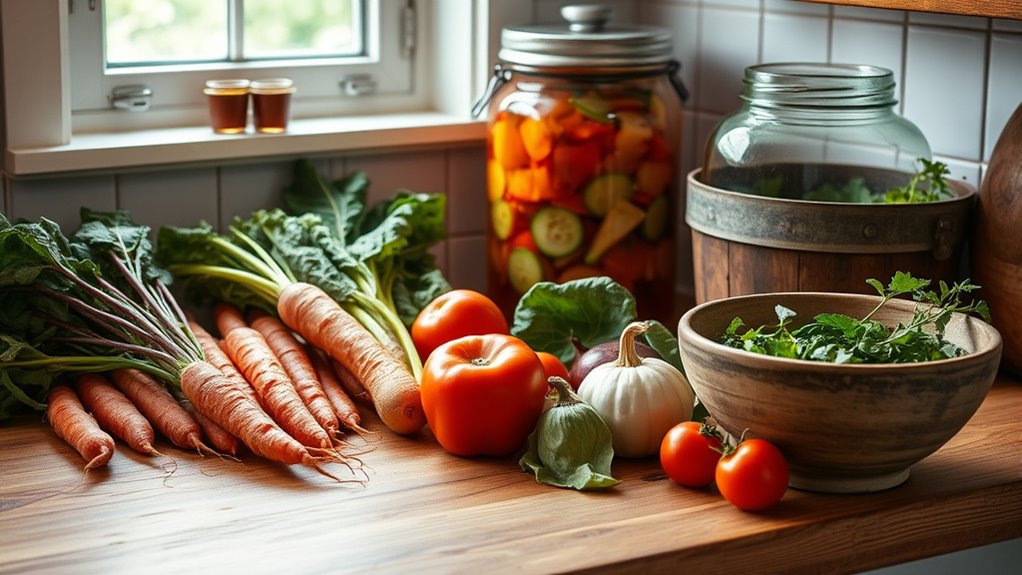
When you do buy groceries, choose items that are in season and locally sourced whenever possible. These ingredients are typically fresher and have a lower carbon footprint. Plus, they often taste better! If you find yourself with leftover ingredients, get creative. Use wilted greens in soups or smoothies, and turn overripe fruits into smoothies or baked goods. You’ll be surprised at how many delicious dishes you can create with what you have on hand.
Storing your food properly is another key to reducing waste. Make sure to keep fruits and vegetables in the right conditions to prolong their freshness. For instance, some produce does better in the fridge while others thrive at room temperature. Educate yourself on the best storage practices and you’ll cut down on spoilage considerably.
Don’t forget about portion sizes, either. Serve smaller amounts on your plate to avoid leftovers that might end up in the trash. If you do have leftovers, get into the habit of storing them in clear containers. This way, you’ll easily see what you have and can incorporate it into your next meal.
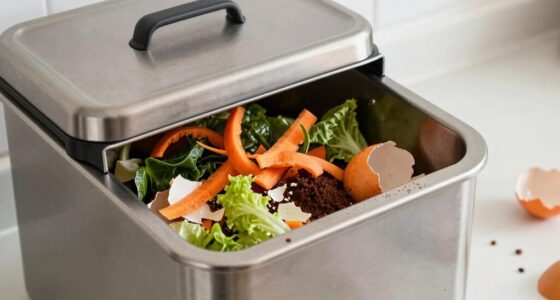
Lastly, composting is an excellent way to deal with food scraps while enriching your garden soil. If you can’t compost at home, check if your community offers composting services. By taking these steps, you’re not just reducing waste; you’re contributing to a more sustainable food system.

Vtopmart Airtight Food Storage Containers with Lids, 24 pcs, Black
- Kitchen and Pantry Organization: Neatly organize and maximize space
- Four Size Options: Includes 4 sizes for various needs
- Airtight and Freshness Seal: Side-locking lids with silicone gasket
As an affiliate, we earn on qualifying purchases.
As an affiliate, we earn on qualifying purchases.
Frequently Asked Questions
What Are Some Creative Ways to Use Vegetable Scraps?
You can get really creative with vegetable scraps! Try making vegetable broth by simmering peels, stems, and leaves in water. You can also chop them up and mix them into stir-fries or salads for extra flavor. Consider dehydrating scraps to create homemade veggie chips or blending them into smoothies for added nutrients. finally, don’t forget about composting – it’s a fantastic way to recycle scraps and enrich your garden soil!
How Can I Store Leftovers to Prevent Spoilage?
To keep your leftovers fresh, store them in airtight containers right after your meal. Isn’t it a shame when good food goes to waste? Label each container with the date, so you know when to enjoy them. Consider using glass containers, as they don’t retain odors and can be reheated. Always cool your food before sealing it up; it helps prevent condensation and spoilage. Keep your fridge organized, and you’ll always know what’s there!
What Is the Best Way to Compost Kitchen Waste?
The best way to compost kitchen waste is to start by collecting your scraps in a designated bin. Chop up larger items to speed up decomposition. Mix in brown materials like dried leaves or cardboard for balance. Turn the pile regularly to aerate it, and keep it moist but not soggy. After a few months, you’ll have rich compost ready to nourish your garden. It’s an easy way to reduce waste!
Are There Apps That Help Track Food Inventory?
There are several apps designed to help you track your food inventory. Think of them as your kitchen’s personal assistant. Apps like NoWaste or Pantry Check let you scan barcodes, manage expiration dates, and even create shopping lists based on what you already have. By using these tools, you’ll reduce waste and save money, making your cooking experience smoother and more efficient. Why not give one a try?
How Do I Plan Meals to Minimize Food Waste?
To plan meals that minimize food waste, start by checking what you already have in your pantry and fridge. Create a weekly meal plan based on those ingredients, and try to use perishable items first. Incorporate leftovers into new dishes, and aim to cook in smaller batches if you’re unsure about finishing everything. Ultimately, keep a shopping list handy to avoid impulse buys that might go unused.

Utopia Kitchen Countertop Compost Bin 1.3 Gallon, Stainless Steel, Silver
- Capacity: 1.3 Gallon stainless steel bin
- Durability: Scratch, crack, and chip resistant
- Odor Control: Includes charcoal filters for smell
As an affiliate, we earn on qualifying purchases.
As an affiliate, we earn on qualifying purchases.
Conclusion
By embracing sustainable cooking practices, you’re not just reducing food waste; you’re honoring the age-old wisdom of our ancestors who revered every morsel. Picture the satisfaction of transforming leftovers into vibrant new meals, like turning lead into gold. Each time you choose to repurpose, you join a movement that cherishes the earth and its resources. So, let’s cook with intention, ensuring that our kitchens reflect a future where every bite counts, and nothing goes to waste.

Decorably 52 Sheets Pastel Rainbow Undated Magnetic Weekly Meal Planner
- Child-Safe Materials: LEAD-Free and Phthalates-Free Certified
- Strong Magnetic Backing: Includes 4 durable magnets for fridge attachment
- Easy Tear Grocery List: Perforated pages for quick shopping list removal
As an affiliate, we earn on qualifying purchases.
As an affiliate, we earn on qualifying purchases.

As an affiliate, we earn on qualifying purchases.