
Batch cooking makes busy weeks a breeze by allowing you to prepare meals in advance. You can save time and reduce stress by cooking large quantities of nutritious foods on a dedicated day. Choose meals that freeze well, make a shopping list focused on whole foods, and store your meals in labeled containers for easy access. This creates healthier eating habits and simplifies your weekly routine. Keep going to discover more tips on maximizing your batch cooking experience!
Key Takeaways
- Designate a specific day, like Sunday, to batch cook meals for the upcoming week to save time.
- Choose meals that freeze well, such as soups and casseroles, for easy reheating.
- Prepare a detailed shopping list focusing on whole foods to avoid impulse purchases.
- Portion and label cooked meals in containers for quick access and organization.
- Incorporate batch cooking into your routine to promote healthier eating habits and reduce stress.
In today’s fast-paced world, finding time to cook healthy meals can feel impossible. You’ve got work, family, and a million other commitments pulling you in every direction. That’s where batch cooking comes into play. By preparing meals in advance, you not only save time during your busy week but also ensure you eat nutritious food without the stress of daily cooking.
Finding time to cook healthy meals can be challenging, but batch cooking simplifies the process and ensures nutritious eating all week long.
To get started, pick a day when you can dedicate a few hours to cooking. Sunday is a popular choice, but whatever day works for you is fine. Plan your menu around ingredients that can be easily stored and reheated. Focus on meals that freeze well, like soups, stews, and casseroles. This way, you can whip out a hearty meal even on the most hectic days.
Once you’ve got your menu, create a shopping list. Stick to the list to avoid impulse buys that can derail your healthy eating goals. When you hit the grocery store, look for seasonal produce and bulk items to save money. Remember, the more you buy whole foods, the less processed your meals will be.
On your cooking day, start with the items that take the longest to prepare. For example, if you’re making a big pot of chili, get that simmering first while you chop veggies for a stir-fry. Multi-tasking is your best friend here. You could roast veggies in the oven while cooking grains on the stovetop, maximizing your time efficiently.
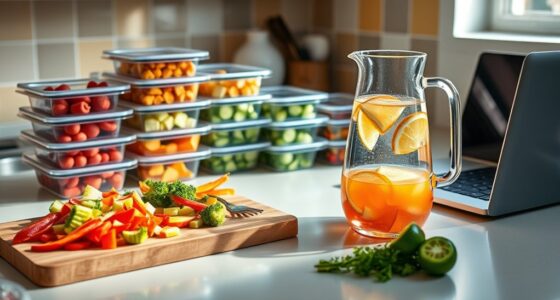
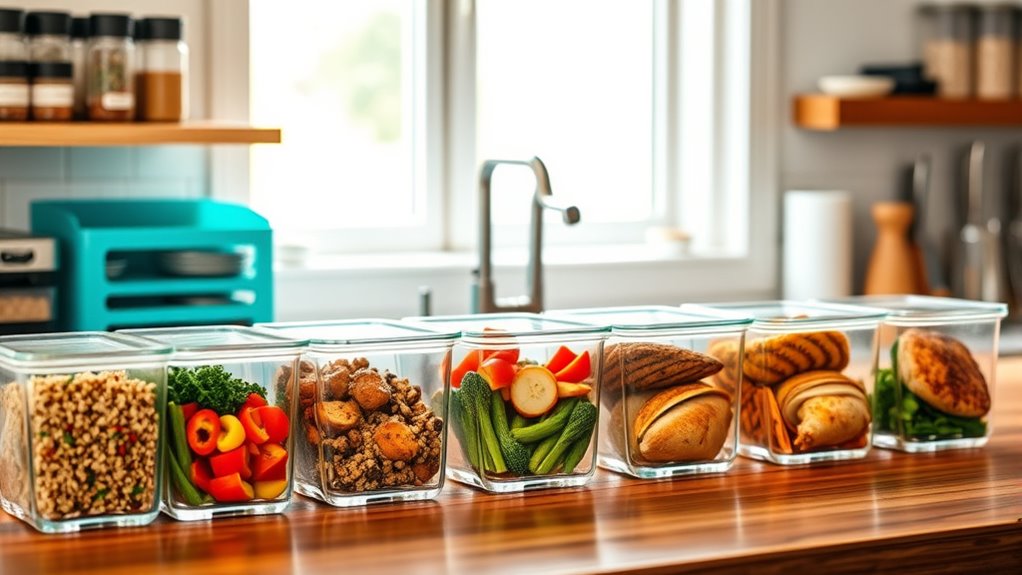
Once everything’s cooked, portion out your meals in containers. Label them with the date and contents to avoid confusion later. You’ll be amazed at how satisfying it is to open your fridge and see a lineup of healthy meals ready to go. This not only saves you time but also helps you resist the temptation of takeout or unhealthy snacks when hunger strikes.
As you get into the rhythm of batch cooking, you’ll find that it becomes easier to experiment with different recipes. You might even discover new favorites that you can rotate into your meal plan. With a little practice, you’ll transform your busy weeks from chaotic to manageable, all while nourishing your body with wholesome food. Incorporating glycolic acid in your skincare routine, for instance, can enhance your overall well-being as you embrace batch cooking and reclaim your time in the kitchen!
Frequently Asked Questions
What Are the Best Containers for Storing Batch-Cooked Meals?
The best containers for storing batch-cooked meals are glass or BPA-free plastic containers with airtight lids. They keep your food fresh and prevent spills. Look for stackable options to save space in your fridge or freezer. Portion-sized containers make meal prep easier, too. If you plan to freeze meals, choose freezer-safe containers to avoid cracking. Don’t forget to label them with dates for easy identification when you’re ready to eat!
How Long Can I Safely Store Batch-Cooked Food in the Fridge?
You can store batch-cooked food in the fridge for about three to four days. If you think it’ll last longer, you’re dreaming! After that, it’s a science experiment waiting to happen. Just remember, when in doubt, toss it out—your stomach isn’t a garbage can. Keep your meals safe and scrumptious, and don’t forget to label those containers. It’s not just food; it’s a culinary time capsule!
Can I Freeze All Types of Meals for Later Use?
Yes, you can freeze many types of meals for later use, but not all. Foods like soups, stews, and casseroles freeze well, retaining their flavor and texture. However, avoid freezing meals with high water content, such as salads or those with creamy sauces, as they might separate upon thawing. When you’re ready to use them, just make sure to thaw them safely in the fridge or microwave before reheating.
How Do I Prevent Food From Getting Soggy When Reheating?
Did you know that nearly 50% of people struggle with soggy reheated meals? To prevent your food from getting soggy when reheating, use an oven or air fryer instead of the microwave. This helps circulate hot air, keeping your meal crispy. If you must use a microwave, place a paper towel over your food to absorb moisture. Also, reheat in short intervals, checking frequently to avoid overcooking and sogginess.
What Are Some Quick Meal Ideas for Batch Cooking Beginners?
Some quick meal ideas for you include stir-fries with pre-chopped veggies and protein, one-pot pasta dishes, and hearty soups or stews. You can also prepare grain bowls with quinoa or rice, topped with your favorite roasted vegetables and a protein source. Don’t forget about simple sheet pan meals; just toss everything on a baking sheet and roast. Each of these options is easy to make in bulk and can be frozen for later!
Conclusion
As you embrace batch cooking, you’re not just saving time—you’re reclaiming your week. Envision this: on a hectic Tuesday, you reach for a ready-made meal, and it’s not just food; it’s freedom. The aroma fills your kitchen, reminding you of your effort and planning. With each bite, you realize that the secret to a calmer life was always simmering away, waiting for you to discover it. What will you cook next, and how will it change your routine?