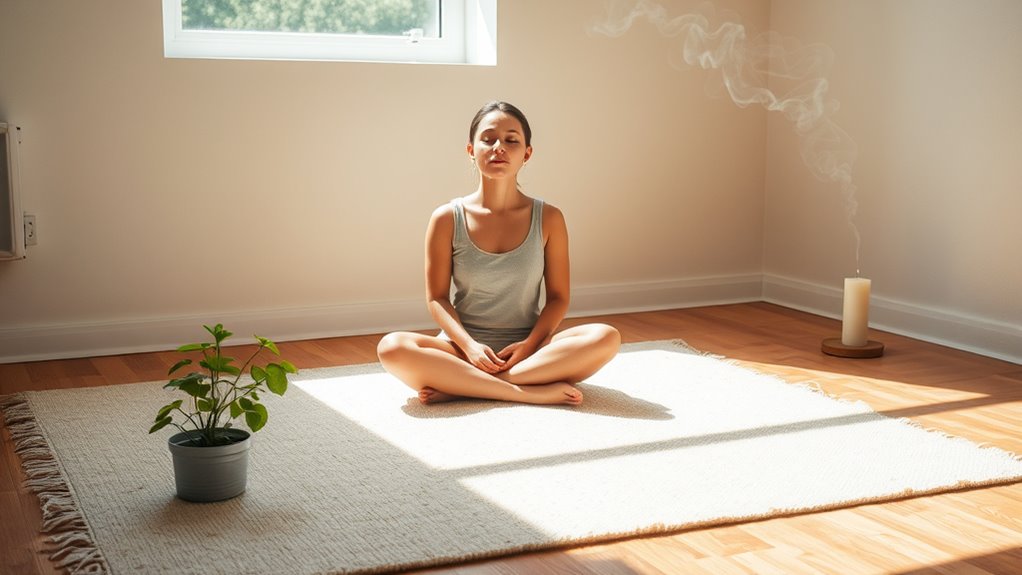

Breathing exercise routines are a powerful way to relieve stress and improve your overall well-being in just minutes a day. Techniques like the 4-7-8 method, diaphragmatic breathing, and box breathing can help you quickly calm your mind and body. You can do these exercises anywhere, anytime, making them a convenient tool for managing stress. With consistent practice, you’ll notice significant benefits. Discover more about these techniques and how to incorporate them into your daily life.

Get your next haul delivered free with Prime
- Fast, free delivery on millions of items
- Prime Video, Amazon Music and more included
- Member-only deals all year
Key Takeaways
- Breathing exercises improve mental and physical well-being, making them an effective tool for stress relief.
- The 4-7-8 technique promotes relaxation by combining deep breathing and breath-holding for a calming effect.
- Diaphragmatic breathing engages the diaphragm, reducing stress and enhancing oxygen flow within minutes.
- Box breathing helps regain focus and control by providing a structured pattern of inhaling, holding, and exhaling.
- Incorporating these routines into daily life requires minimal time and can significantly enhance stress management.
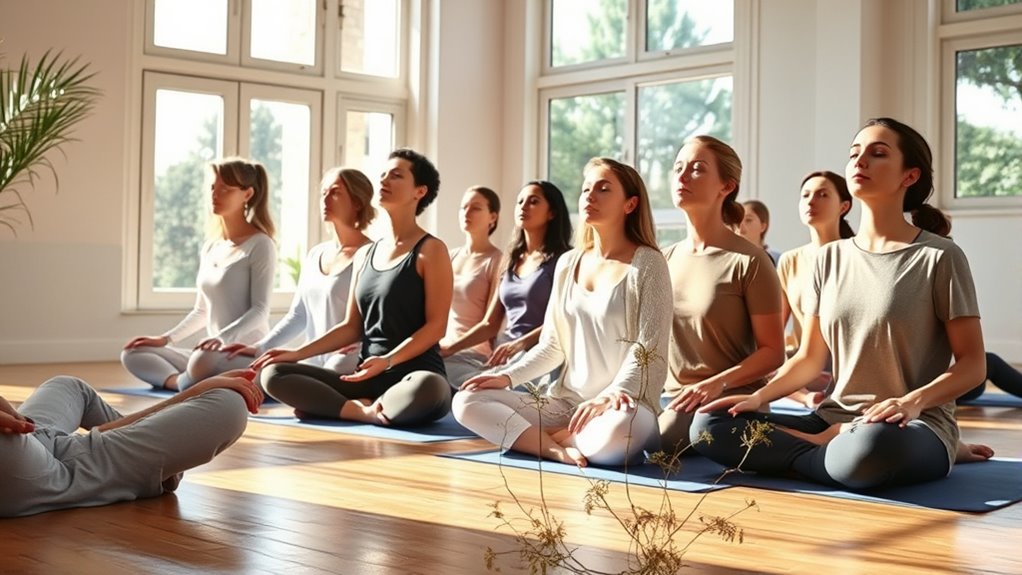
Breathing exercises can transform your mental and physical well-being, and just a few minutes a day can make a big difference. When stress starts to creep in, your breath often becomes shallow and quick. By consciously focusing on your breathing, you can re-center yourself and alleviate that tension. It’s a simple yet powerful tool that you can use anywhere, anytime.
One effective method to relieve stress is the 4-7-8 technique. To practice this, sit comfortably and close your eyes. Inhale deeply through your nose for a count of four. Hold that breath for seven seconds, allowing your mind to settle. Then, exhale slowly through your mouth for eight seconds. Repeat this cycle a few times. You’ll find that with each round, your body begins to relax, and your mind clears. This technique not only calms your nervous system but also helps you regain control over your thoughts.
Another great routine involves diaphragmatic breathing. Start by lying down or sitting comfortably. Place one hand on your chest and the other on your belly. Inhale deeply through your nose, ensuring your belly rises while your chest remains still. Exhale slowly through your mouth, feeling your belly fall. This method enhances oxygen flow and encourages deeper relaxation. Practicing this for just five minutes can considerably lower your stress levels.
If you’re looking for a quick boost during a hectic day, try the box breathing technique. Inhale for a count of four, hold for four, exhale for four, and hold again for four. Repeat this cycle until you notice a shift in your stress levels. This technique, often used by athletes and military personnel, helps to ground you and refocus your mind.
Incorporating these routines into your daily life doesn’t require a substantial time commitment. Even a few minutes before a meeting or at the end of a long day can help clear your mind and ease tension. You’ll notice a difference in how you handle stress and how you feel overall.
As an affiliate, we earn on qualifying purchases.
Frequently Asked Questions
Can Breathing Exercises Help With Anxiety and Panic Attacks?
Yes, breathing exercises can definitely help with anxiety and panic attacks. By focusing on your breath, you can activate your body’s relaxation response, reducing feelings of panic. When you practice deep, controlled breathing, you lower your heart rate and calm your mind. You’ll find that just a few minutes of this practice can ground you and shift your focus away from anxiety, making it easier to regain control during overwhelming moments.
How Often Should I Practice Breathing Exercises for Maximum Benefit?
You should practice breathing exercises daily for maximum benefit. Aim for at least 5 to 10 minutes each session, but feel free to do more if you can. Consistency is key, so try to incorporate it into your routine—perhaps in the morning, during breaks, or before bed. The more regularly you practice, the better you’ll feel, and you’ll notice improvements in your overall well-being and stress levels over time.
Are There Any Risks Associated With Breathing Exercises?
Sure, you can definitely overdo it with breathing exercises—like trying to out-breathe a balloon at a party! While most folks benefit from these techniques, you might risk lightheadedness or hyperventilation if you push too hard. It’s essential to listen to your body. If you feel dizzy or anxious, take a break. Remember, it’s about finding balance, not becoming the world champion of inhaling and exhaling!
Can Children Practice Breathing Exercises for Stress Relief?
Yes, children can definitely practice breathing exercises for stress relief. These techniques can help them manage anxiety and enhance focus. You can introduce simple exercises, like deep belly breathing or counting breaths, to make it fun. Encourage your child to use breathing exercises during stressful situations, like before a test or when feeling overwhelmed. With your guidance, they’ll learn to calm themselves and develop valuable coping skills for life.
What’s the Best Time of Day to Do Breathing Exercises?
Studies show that 70% of people experience heightened stress in the evening. The best time for you to do breathing exercises is right before bed. This helps calm your mind and prepares your body for sleep. Alternatively, you could try them first thing in the morning to start your day with a clear mind. Whichever time you choose, practicing regularly can considerably reduce your stress levels and improve your overall well-being.
As an affiliate, we earn on qualifying purchases.
Conclusion
Incorporating breathing exercises into your daily routine can be a game changer for stress relief. Just as a steady breeze calms the restless sea, these simple techniques can soothe your mind and body. By taking a few moments each day to focus on your breath, you’ll find clarity amidst chaos. So, embrace these routines, and let them guide you toward a more peaceful existence. Remember, each breath is a step toward tranquility.
As an affiliate, we earn on qualifying purchases.
As an affiliate, we earn on qualifying purchases.
Fall Picks
fall essentials
As an affiliate, we earn on qualifying purchases.