
Nature-based solutions (NbS) are essential for fighting climate change. By restoring ecosystems like forests and wetlands, you can sequester carbon and boost biodiversity. These actions not only improve the environment but also offer economic and social benefits for communities. From creating jobs to enhancing local conditions, NbS empower people and foster sustainable practices. Discover how embracing these solutions can lead to a healthier planet and brighter future.
Key Takeaways
- Nature-based solutions (NbS) leverage ecosystem restoration to sequester carbon and mitigate climate change impacts effectively.
- Restoring ecosystems like wetlands and forests enhances biodiversity and ecological balance, supporting wildlife habitats.
- Community engagement in restoration projects fosters connections to nature and promotes sustainable environmental practices.
- Economic benefits of NbS include job creation in conservation and reduced costs from natural disaster mitigation.
- Recognizing the interconnectedness of ecosystems is essential for achieving long-term climate resilience and sustainability.
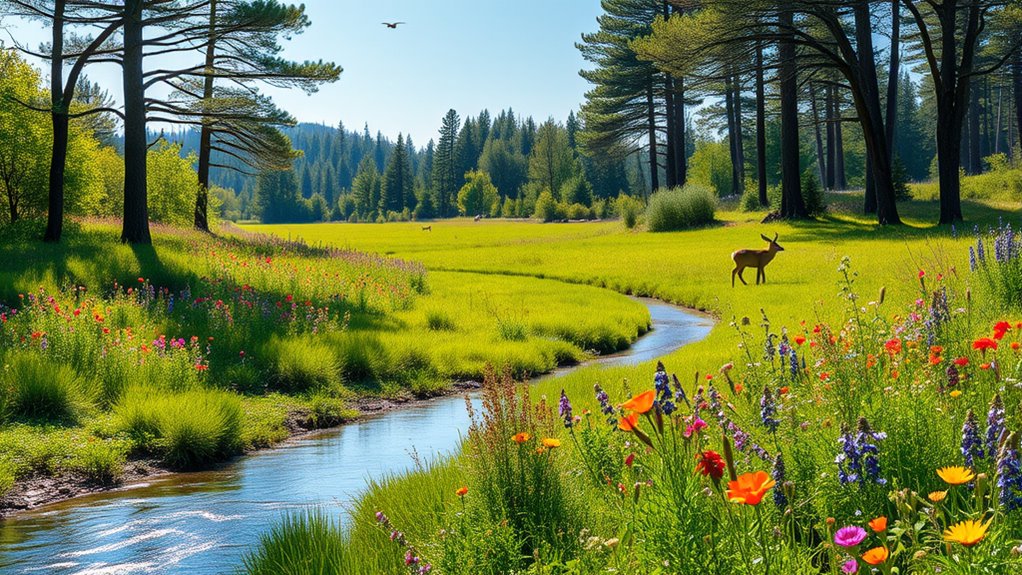
Have you ever considered how nature can solve some of our biggest environmental challenges? Nature-based solutions (NbS) offer incredible opportunities to tackle climate change while enhancing biodiversity and improving human well-being. By restoring ecosystems, you can not only help mitigate the effects of climate change but also create resilient landscapes that benefit both people and the planet.
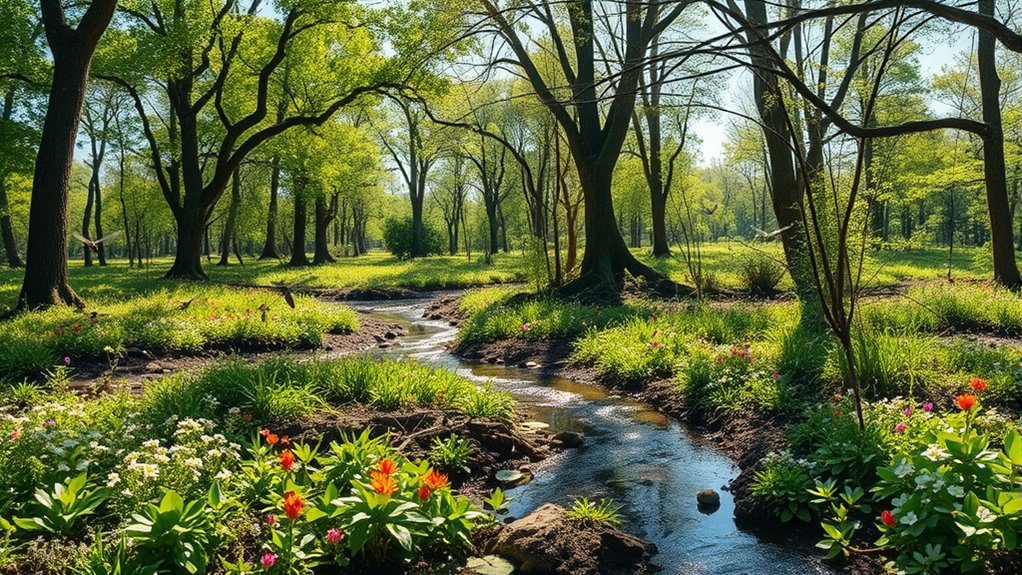
When you think about NbS, imagine forests absorbing carbon dioxide, wetlands filtering pollutants, and coastal ecosystems protecting against storm surges. Each of these natural processes plays a *vital* role in maintaining ecological balance. Restoring degraded environments means revitalizing these functions, allowing nature to do what it does best. You’ve probably seen or heard about reforestation projects that not only sequester carbon but also provide habitats for wildlife. These initiatives can be incredibly effective, as they help restore biodiversity while providing local communities with resources like timber or non-timber forest products.
You might wonder how you can participate in or support these efforts. It could be as simple as planting native species in your garden or participating in local conservation programs. When you engage with nature, you contribute to a larger movement that recognizes the interconnectedness of ecosystems and human needs. By restoring wetlands, for instance, you’re not just creating a beautiful space; you’re also enhancing water quality and boosting resilience against flooding.
As you explore the possibilities of NbS, consider their economic benefits. Investments in green infrastructure often yield higher returns than traditional engineering solutions. For example, restoring mangroves can reduce coastal erosion and cut down on the costs associated with storm damage. This approach creates jobs in restoration and maintenance, fostering a sustainable economy that thrives alongside healthy ecosystems.
You’ll also find that NbS can address social inequalities. Communities that have been marginalized often face the brunt of environmental degradation. By prioritizing restoration in these areas, you’re not only improving local conditions but also empowering residents to take charge of their environment. When people are involved in the restoration process, they develop a deeper connection to their natural surroundings, leading to more sustainable practices in the long run.
Incorporating nature into our solutions gives you a powerful tool to combat climate change. For instance, understanding clear communication during separation can enhance collaborative efforts in community restoration projects. It’s time to embrace the potential of nature-based solutions, recognizing that when you restore ecosystems, you’re investing in a healthier, more sustainable future for all.
Frequently Asked Questions
How Do Nature-Based Solutions Differ From Traditional Engineering Solutions?
Nature-based solutions focus on using natural processes and ecosystems to tackle environmental challenges, while traditional engineering solutions rely on man-made structures and technology. You’ll find that nature-based approaches often enhance biodiversity, improve resilience, and provide additional benefits like recreation and aesthetics. In contrast, traditional methods might offer immediate results but can lead to increased costs and maintenance over time. Embracing nature can create more sustainable outcomes for both people and the planet.
Can Urban Areas Effectively Implement Nature-Based Solutions?
Absolutely, urban areas can effectively implement nature-based solutions! Imagine walking through a city where green roofs, urban forests, and permeable pavements thrive. These strategies not only enhance aesthetics but also improve air quality and manage stormwater. Cities like Singapore and Melbourne are leading the way, proving that integrating nature into urban planning isn’t just possible—it’s essential. By prioritizing these solutions, you’ll create healthier, more resilient communities for everyone.
What Funding Sources Are Available for Nature-Based Solutions Projects?
You can explore various funding sources for nature-based solutions projects, such as government grants, environmental NGOs, and private foundations. Look into local, state, and federal programs that support sustainable initiatives. Crowdfunding and community partnerships can also provide financial support. Additionally, corporate sponsorships and impact investing might be viable options. Don’t forget to check for international funding opportunities from organizations focused on climate and environmental restoration.
How Long Does It Take to See Results From Nature-Based Solutions?
You might think results from nature-based solutions appear overnight, like magic, but that’s not the case. Typically, you’ll start seeing noticeable changes within a few months, though real transformation can take years. It depends on the project’s scale and local conditions. Don’t get discouraged if it feels slow; patience pays off. As ecosystems recover, you’ll witness a gradual shift toward healthier environments, ultimately leading to significant, long-lasting benefits.
Are There Any Potential Drawbacks to Using Nature-Based Solutions?
Yes, there are potential drawbacks to using nature-based solutions. You might face challenges like land competition, where agricultural or urban development conflicts with restoration efforts. Additionally, these solutions can take time to show results, which might not align with urgent climate goals. Moreover, if not properly managed, they can lead to biodiversity loss or invasive species becoming established. It’s important to weigh these risks against the benefits when considering implementation.
Conclusion
In the grand scheme of our planet, embracing nature-based solutions is like hitting the refresh button on a vintage record player. You’ve got the power to restore ecosystems, combat climate change, and revitalize local communities. By working with nature rather than against it, you’re not just playing your part—you’re joining a movement that sings harmony with the Earth. Together, we can turn the tide and create a sustainable future that future generations will cherish.