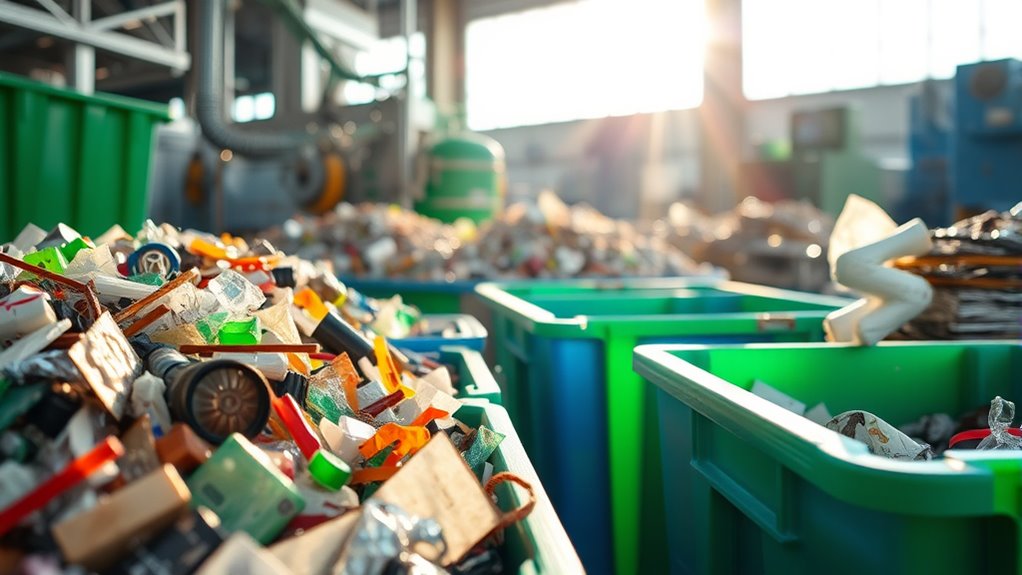

You might think recycling is as simple as tossing items in a bin, but that’s not the whole story. Contaminated materials, like greasy pizza boxes and mixed plastics, can derail the entire process. At recycling facilities, workers and machines sort your recyclables, but misplaced items can complicate things. Not everything you toss in can be reused indefinitely, either. Understanding this journey can boost your recycling efforts, and there’s so much more to uncover about your waste’s fate.
Key Takeaways
- Not all items in recycling bins are recyclable; contamination can spoil entire batches, making proper rinsing crucial.
- Sorting at materials recovery facilities (MRFs) is labor-intensive and requires teamwork, with misplacement disrupting the entire process.
- Recyclable materials are sorted into categories, but improper sorting can lead to increased waste and inefficiencies.
- Recycled materials can only be processed a limited number of times before becoming unusable, emphasizing the need for mindful consumption.
- Consumer responsibility in recycling, including proper sorting and cleaning, greatly impacts the effectiveness of waste management systems.
Have you ever wondered what really happens to your recyclables after you toss them in the bin? You might think they’re whisked away to a magical land where they’re transformed into shiny new products. While there’s some truth in that, the reality is a bit more complicated. Understanding the journey of your recyclables can help you make better choices and debunk common myths that surround recycling.
First off, it’s essential to know that not everything you toss into the recycling bin is actually recyclable. Contamination is a huge problem. When you mix non-recyclable items like greasy pizza boxes or plastic bags with your recyclables, it can spoil the whole batch. This means that even if you intended to recycle, your efforts might go to waste. So, it’s important to know what’s acceptable in your local program. Always rinse out containers before tossing them in the bin to reduce contamination.
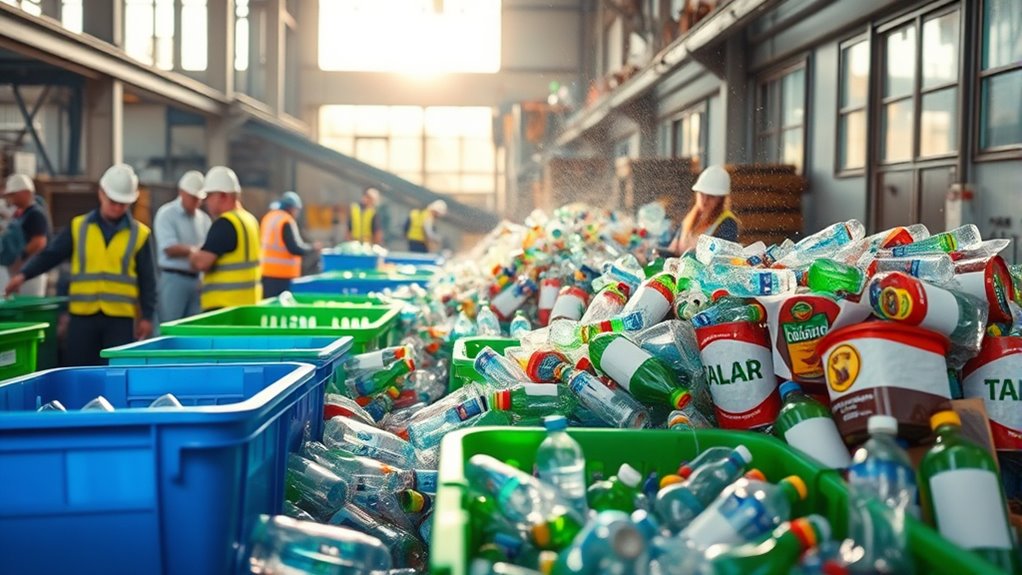
Once your recyclables are collected, they’re taken to a materials recovery facility (MRF). Here, workers and machines sort through the materials, separating them into different categories like paper, glass, plastic, and metal. This sorting process can be labor-intensive and requires careful attention. If you’ve ever heard that recycling is an easy fix for our waste problem, think again. It’s a complex system that relies on everyone doing their part, from consumers to waste management workers.
Recycling involves a complex sorting process at materials recovery facilities, requiring teamwork from consumers and workers alike.
After sorting, your recyclables are compressed into bales and shipped off to various facilities. Here’s where the magic happens: they’re transformed into raw materials. For example, recycled paper gets pulped and turned into new paper products, while glass can be melted down and reshaped. However, it’s important to know that not all materials can be recycled endlessly. For instance, plastic can degrade over time and might only be recycled a few times before it’s no longer usable. Additionally, understanding the implications of cookie rejection can help you appreciate the importance of consumer choices in waste management.
Finally, your newly processed materials make their way into the market. They’re used to create everything from new bottles to insulation for homes. But here’s the kicker: not all of it stays local. Sometimes, your recyclables end up in other countries, where they’re processed and sold on international markets.
In the end, being mindful of what you recycle can greatly impact the effectiveness of the entire system. By understanding the journey your recyclables take, you can become a more responsible recycler and help reduce waste in your community.
Frequently Asked Questions
Can I Recycle Pizza Boxes With Grease Stains?
You can’t recycle pizza boxes with grease stains. The oils and food residues contaminate the paper recycling process, making it difficult to create new products. If your box is clean and free of grease, go ahead and recycle it. Otherwise, it’s best to toss it in the trash. To minimize waste, consider composting any leftover food or using reusable containers for your pizza. This way, you’re helping the environment more effectively!
Is It Better to Recycle or Throw Away Broken Glass?
Think of broken glass as a puzzle piece out of place. It’s better to recycle it whenever possible. Recycling broken glass helps conserve resources and reduces landfill waste. Just make certain you check local guidelines, as some places require specific handling. If recycling isn’t an option, throwing it away safely is the next best choice. Remember, keeping shards contained protects both you and the environment, ensuring your glass doesn’t become a hazard.
What Happens to Recycling After Collection?
After collection, your recycling goes to a materials recovery facility where it’s sorted, cleaned, and processed. Workers and machines separate different materials like metals, plastics, and paper. Once sorted, these materials are baled and sent to manufacturers who turn them into new products. This whole process helps reduce waste and conserves resources. So, when you recycle, you’re actively contributing to a more sustainable future by giving materials a second chance!
Are All Plastics Recyclable?
Not all plastics are recyclable. Many types, like certain PVC and polystyrene, often end up in landfills. You should check the recycling symbols on containers to know what can be recycled in your area. Even if a plastic is labeled recyclable, local facilities may not accept it due to contamination or cost. It’s essential to stay informed and reduce your plastic use whenever possible to help the environment.
Can I Recycle Batteries at Home?
You can’t recycle batteries at home, but you can definitely take them to designated recycling facilities or drop-off locations. Have you ever considered how harmful improperly disposed batteries can be to the environment? Many stores and community programs offer recycling options specifically for batteries. Always check local regulations, as some areas have specific guidelines for battery recycling. It’s vital to handle them properly to avoid any environmental hazards!
Conclusion
In the end, understanding the truth behind recycling myths can empower you to make better choices for the planet. You’re not just tossing items into a bin; you’re casting a lifeline to our environment. By debunking these misconceptions, you can navigate the recycling maze with confidence, ensuring your efforts truly make a difference. So, let’s turn the tide together and transform waste into a resource, giving our planet the care it deserves.