
Saving energy starts with small daily habits that can make a big difference. Switch to LED lights to cut energy use by up to 80%. Remember to turn off lights in unused rooms and unplug devices to avoid phantom loads. Adjust your thermostat a few degrees for added savings. Use efficient cooking methods and run appliances only when full. By adopting these mindful practices, you’ll not only save energy but also lower your bills. There’s much more to discover!
Key Takeaways
- Switch to LED lights and turn off unused lights to significantly reduce energy consumption.
- Unplug devices or use smart power strips to eliminate phantom energy waste.
- Adjust thermostats by a few degrees and wear appropriate clothing for comfort.
- Use energy-efficient cooking methods, like lids on pots and microwaves for small meals.
- Regularly evaluate energy habits to make mindful adjustments for greater savings.

Have you ever wondered how simple changes in your daily routine can lead to significant energy savings? You might think that saving energy requires major investments or drastic lifestyle changes, but often, it’s about making small, mindful adjustments. By being aware of your habits, you can contribute to energy conservation without sacrificing comfort or convenience.
Start by examining your lighting. If you’re still using incandescent bulbs, consider switching to LED lights. They use up to 80% less energy and last much longer, which means fewer replacements and lower electricity bills. Remember to turn off lights in rooms you’re not using, and take advantage of natural light during the day. Open curtains and let the sun’s rays illuminate your space; it’s an easy way to brighten your home while cutting down on energy use.
Examine your lighting: switch to LED bulbs, turn off unused lights, and embrace natural sunlight for energy savings.
Next, think about your electronics. Unplugging devices when you’re not using them can save a surprising amount of energy, thanks to phantom loads. You’ve probably noticed that your phone charger, even when it’s not charging, still consumes power. Using power strips allows you to switch off multiple devices at once, making it easier to eliminate that wasted energy. Additionally, consider investing in smart power strips that automatically cut power when devices go into standby mode.
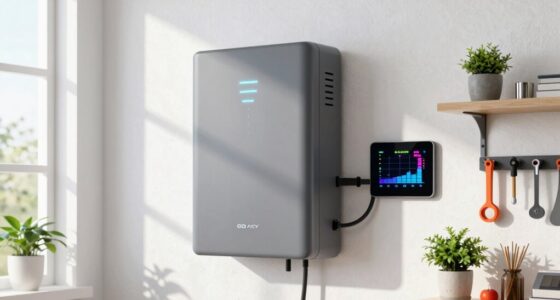
When it comes to heating and cooling, small adjustments can have a big impact. Set your thermostat a few degrees lower in winter and higher in summer. You might not even notice the difference, but your energy bills will! Wearing sweaters or using fans can help you stay comfortable without cranking up the heat or air conditioning. Regular maintenance of your heating systems, such as heat pumps, can also enhance efficiency and further reduce costs. Insulating your home is another effective way to maintain temperature and save energy, so check for drafts around doors and windows.
In the kitchen, you can save energy by using appliances more efficiently. When you cook, keep lids on pots to reduce cooking time and use the microwave or toaster oven for smaller meals. Running your dishwasher only when it’s full and using the eco-mode can also save water and energy. Washing clothes in cold water and air-drying them not only saves energy but can extend the life of your garments.
Frequently Asked Questions
How Can I Reduce Energy Consumption While Cooking?
You can reduce energy consumption while cooking by using smaller pots and pans on your stovetop, which heat up faster. Cover pots to trap heat and cook food quicker. Utilize your microwave or slow cooker for smaller meals, as they use less energy. When baking, batch cook to avoid preheating multiple times. Ultimately, keep your oven door closed to maintain temperature, ensuring efficient cooking without wasting energy.
Are There Specific Times to Use Appliances for Energy Savings?
Yes, there are specific times to use appliances for energy savings. You should aim to run dishwashers and washing machines during off-peak hours, often late at night or early in the morning, when electricity rates are lower. Additionally, using appliances during cooler parts of the day can reduce energy consumption, especially for those that generate heat. By timing your appliance use wisely, you can cut costs and make a positive impact on energy consumption.
What Are the Benefits of Using Energy-Efficient Light Bulbs?
Using energy-efficient light bulbs can save you up to $75 a year on electricity bills! These bulbs not only consume less energy, but they also last much longer—often up to 25 times more than traditional bulbs. By switching to energy-efficient options, you reduce your carbon footprint and contribute to a healthier planet. Plus, you’ll enjoy brighter, more consistent lighting in your home, enhancing your living space while saving money in the long run.
How Does Weather Impact My Energy Usage Habits?
Weather considerably impacts your energy usage habits. During colder months, you’re likely to crank up the heat, leading to higher energy bills. On hot days, you might rely on air conditioning to stay comfortable, which also drives up energy consumption. Additionally, cloudy or rainy weather can make you use more indoor lighting. By adjusting your habits based on the weather, you can help manage your energy usage more effectively throughout the year.
Can Landscaping Help in Saving Energy for My Home?
Yes, landscaping can help save energy for your home. By strategically planting trees and shrubs, you can create shade that lowers your cooling costs in the summer. Additionally, using windbreaks like hedges can protect your home from cold winds during winter, reducing heating needs. Incorporating native plants can also minimize water usage and maintenance. Overall, thoughtful landscaping not only enhances your yard’s beauty but also boosts your home’s energy efficiency.
Conclusion
As you flick off the lights, imagine the warm glow of a sunset spilling through your window, a reminder of the energy you’re saving. Each small habit, like unplugging devices or using natural light, builds to create a brighter future. Picture your cozy home, rich with comfort and sustainability, where every action echoes your commitment to the planet. By embracing these simple changes, you’re not just conserving energy; you’re nurturing a world where nature thrives alongside you.