
Selling handmade products online is all about finding your niche, crafting a unique brand, and choosing the right selling platforms. Start by creating one-of-a-kind items that showcase your passion. Build a strong brand identity with a memorable logo and engaging storytelling. Consider platforms like Etsy or Amazon Handmade for exposure, and guarantee your product photography shines with quality images and clear descriptions. If you want to learn how to effectively market and price your creations, there’s more to explore.
Key Takeaways
- Identify and develop a unique niche for your handmade products to attract specific audiences and stand out in the marketplace.
- Create a memorable brand through a compelling logo, visual identity, and emotional storytelling that resonates with your target customers.
- Choose suitable selling platforms like Etsy, Amazon Handmade, or your own website based on your business goals and audience reach.
- Invest in high-quality product photography and clear descriptions to showcase your items effectively and enhance search visibility.
- Implement strategic pricing and marketing strategies, including social media promotion and community engagement, to drive sales and build brand loyalty.
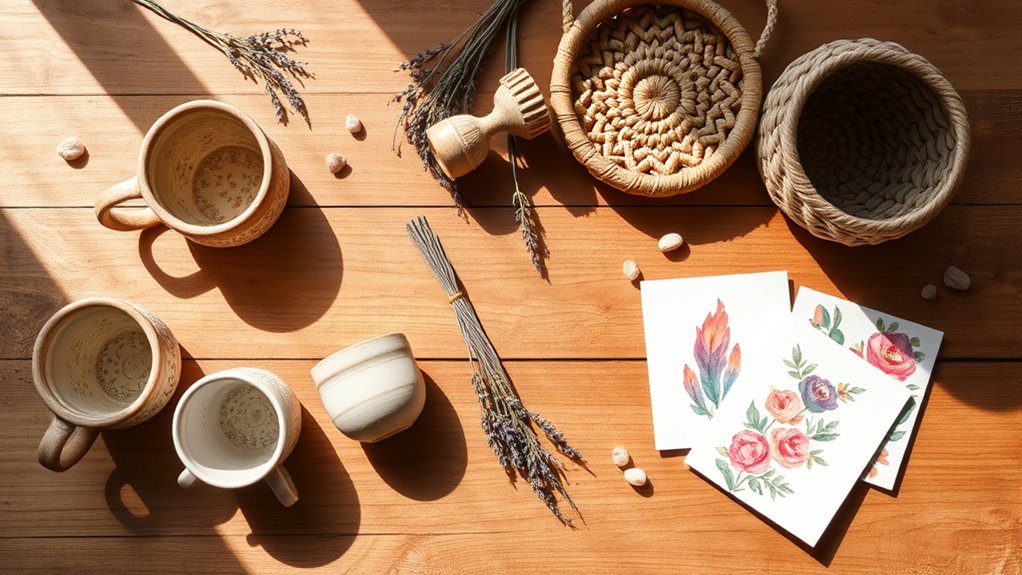
Have you ever wondered how to turn your crafting passion into profit? If you’ve got a knack for making unique handmade products, you’re in a great position to tap into the booming online marketplace. The first step is to identify your niche. What do you love creating? Whether it’s jewelry, home decor, or personalized gifts, the key is to find something you enjoy and can consistently produce.
Once you’ve pinpointed your niche, it’s time to develop your brand. Think about what sets your products apart from the rest. Creating a memorable brand involves more than just a catchy name; it encompasses your logo, packaging, and the story behind your creations. People love to support brands with a compelling narrative, so share your journey and passion through your website or social media platforms.
Developing a memorable brand is essential; it’s not just about a name, but your unique story and visual identity.
Now, let’s talk platforms. There are many online marketplaces where you can showcase and sell your handmade products, such as Etsy, Amazon Handmade, or even your own website. Each platform has its pros and cons, so consider what works best for you. If you’re looking for a large audience, Etsy might be your best bet. On the other hand, having your own website allows for more control over branding and customer experience.
After selecting a platform, focus on photography. High-quality images can make or break a sale. Use natural light and simple backgrounds to showcase your products. Take multiple angles, highlight the details, and don’t forget to include lifestyle shots to help potential buyers envision your items in their lives.
Next, optimize your product descriptions. Be clear and concise while highlighting the key features and benefits of your items. Use relevant keywords to improve search visibility, but don’t overdo it—keep it natural. Think about what your customers would search for when looking for products like yours.
Pricing your products can be tricky. Consider the cost of materials, your time, and any fees associated with selling on the platform you choose. Don’t undervalue your work; remember, you’re providing a unique, handcrafted item that can’t be found in stores.
Finally, promote your products through social media and email marketing. Engage with potential customers, share behind-the-scenes content, and build a community around your brand. Consistency is key, so keep your audience updated and excited about new releases or special promotions. With dedication and creativity, turning your crafting passion into profit can become a rewarding reality. Additionally, be aware of the importance of user consent and control when utilizing online marketing strategies to ensure your audience’s privacy preferences are respected.
Frequently Asked Questions
What Platforms Are Best for Selling Handmade Products Online?
Etsy, Shopify, and Amazon Handmade are some of the best platforms for you to sell handmade products online. Etsy specializes in crafts and vintage items, making it a popular choice. Shopify gives you full control over your store’s design and branding. Amazon Handmade offers access to a massive customer base, which can help you reach more buyers. Choose the platform that best suits your needs and start showcasing your creativity!
How Do I Price My Handmade Products Effectively?
To price your handmade products effectively, you’ve got to channel your inner mathematician—without the nerdy glasses, of course. Start by calculating your costs, adding in materials, time, and a sprinkle of profit. Then, check out competitor prices to avoid pricing yourself out of the market. Remember, if you’re charging less than a cup of coffee, it’s time to rethink your strategy. Your art deserves to be valued, just like that overpriced latte!
What Shipping Options Should I Consider for My Products?
You should consider several shipping options for your products. First, look into standard shipping for cost-effectiveness and reliability. Next, consider expedited shipping for customers who need their items quickly. Don’t forget about international shipping if you want to reach a broader audience. You might also want to offer free shipping on orders over a certain amount to encourage larger purchases. Always compare rates and services to find the best fit for your business.
How Can I Market My Handmade Products Online?
To market your handmade products online, start by showcasing them on social media platforms like Instagram and Facebook. Use eye-catching photos and engaging captions to attract attention. Collaborate with influencers who align with your brand, and consider running targeted ads to reach your ideal customers. Join online craft communities and participate in forums to build connections. Finally, don’t forget to optimize your website for search engines to increase visibility.
What Are the Legal Requirements for Selling Handmade Goods?
To sell handmade goods, you’ll need to check local regulations, obtain any necessary business licenses or permits, and verify your products comply with safety standards. If you’re selling food items, for instance, health department regulations apply. Don’t forget about taxes; you may need to collect sales tax. It’s wise to keep good records and consider liability insurance to protect yourself. Always stay informed about changes in laws that might affect your business.
Conclusion
In summary, selling your handmade products online isn’t just a venture; it’s a dazzling journey where your creativity could spark a global revolution! Imagine your creations flying off virtual shelves faster than shooting stars, captivating hearts all around the world. You’re not just sharing your art; you’re releasing a tidal wave of inspiration that could transform lives! So, immerse yourself in this enchanting domain, and let your passion shine like a thousand suns, lighting up the online marketplace like never before!