

Sports coaching as a side hustle lets you share your love for sports while earning extra income. You can stay active, connect with your community, and mentor athletes, whether they’re kids, teens, or adults. With the right expertise and possibly some certification, you can enhance your coaching credibility. Plus, effective marketing and strong relationships with your athletes are key to success. Discover how to make this rewarding journey work for you and learn about the next steps.
Key Takeaways
- Sports coaching allows you to share your passion while earning extra income and staying active in your community.
- Assess your expertise and choose a sport and audience that aligns with your interests and experience.
- Consider obtaining certification to enhance your credibility and professionalism as a coach.
- Utilize social media and local networks to promote your coaching services and attract potential clients.
- Focus on building relationships with athletes and continuously improve your coaching practices for effective results.
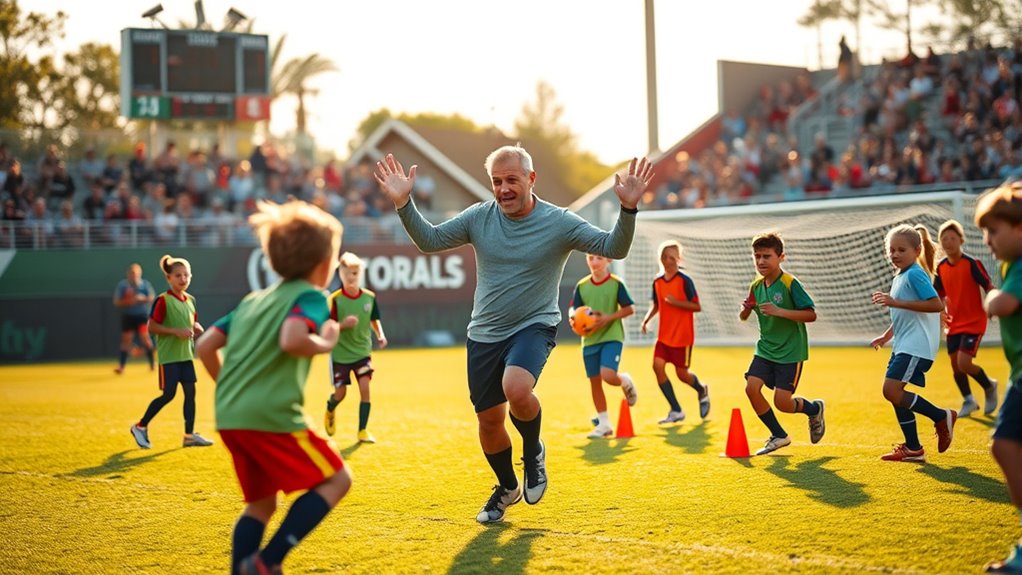
If you’re passionate about sports and looking to boost your income, coaching can be a fulfilling side hustle. Whether you’re an athlete yourself or just someone who loves the game, sharing your knowledge and skills with others can be incredibly rewarding. You get to engage with your community, mentor young athletes, and stay active—all while making some extra cash on the side.
Coaching lets you share your sports passion while mentoring others and earning extra income. It’s a rewarding journey!
To start, think about your expertise. What sport do you excel in? Your experience can markedly impact your coaching effectiveness. If you’ve played soccer for years, for example, coaching a youth soccer team might be the perfect fit. Consider your audience too. Are you interested in coaching kids, teens, or adults? Each group comes with its unique challenges and rewards, so choose one that resonates with you.
Next, you’ll want to get certified if necessary. While not all coaching positions require certification, having one can enhance your credibility and make you more appealing to potential clients or teams. Look into local coaching programs or online courses that suit your sport. Many organizations offer certifications and training that can boost your skills while providing you with valuable resources.
Once you’re set on your focus and credentials, start networking. Spread the word among friends, family, and colleagues about your coaching services. Social media can also be a powerful tool to advertise your skills. Create a profile highlighting your experience, successes, and coaching philosophy. You might also consider joining local sports clubs or community centers to connect with potential clients and get your name out there.
As you begin coaching, focus on building strong relationships with your athletes. Communication is key. Be open to feedback and encourage your players to express their thoughts and feelings. This not only helps them grow but also fosters a positive environment where they feel valued and motivated. Make practices fun and engaging while still challenging them to improve their skills. Additionally, consider integrating air quality improvement strategies into your coaching environment, ensuring a healthier space for your athletes.
Finally, keep track of your progress and adjust your coaching strategies as needed. Every athlete is different, and what works for one might not work for another. Embrace the learning curve and be adaptable. By doing so, you’ll not only enhance your coaching abilities but also enrich the lives of those you train. So if you’re ready to combine your love for sports with a rewarding side hustle, coaching could be your perfect avenue.
Frequently Asked Questions
What Qualifications Do I Need to Become a Sports Coach?
To become a sports coach, you typically need a relevant degree or certification in sports science, physical education, or coaching. Additionally, gaining experience through internships or volunteer work can be beneficial. It’s important to obtain first aid and CPR certifications, as well. You should also stay updated with coaching techniques and rules by attending workshops or courses. Building communication and leadership skills will help you connect effectively with athletes and teams.
How Do I Find Clients for My Coaching Services?
Picture yourself at a local park, surrounded by enthusiastic athletes looking for guidance. To find clients for your coaching services, start by networking in your community—talk to parents, join clubs, and attend events. Utilize social media to showcase your skills and share success stories. Offer free workshops or trial sessions to attract potential clients. Word of mouth spreads quickly, so keep those connections strong, and watch as your clientele grows!
What Are the Best Platforms for Promoting My Coaching Business?
To promote your coaching business effectively, use platforms like social media, particularly Facebook and Instagram, where you can reach a wider audience. LinkedIn is great for networking with professionals. You can also create a website to showcase your services and testimonials. Consider using online marketplaces like Thumbtack or Fiverr for local exposure. Don’t forget to leverage email marketing to keep potential clients engaged with updates and special offers.
How Can I Balance Coaching With My Full-Time Job?
To balance coaching with your full-time job, set a consistent schedule that allocates specific times for coaching. Prioritize your commitments, and communicate your availability to clients. Use tools like calendars and reminders to stay organized. Consider coaching on weekends or evenings when you’re free. Don’t forget to leave time for self-care to avoid burnout. By managing your time effectively, you can enjoy both your coaching passion and your full-time job.
Are There Legal Requirements for Starting a Coaching Business?
Starting a coaching business can feel like maneuvering a legal labyrinth! You’ll need to check local regulations, obtain necessary licenses, and possibly register your business name. Depending on your niche, insurance might be essential to protect yourself from liabilities. Always make certain you comply with any certification requirements, especially if you’re coaching in specific sports. Consulting a legal expert can save you headaches down the road, so don’t skip that step!
Conclusion
Incorporating sports coaching as a side hustle can be like adding a splash of color to your life’s canvas. It not only allows you to share your passion for sports but also enhances your skills and boosts your income. Whether you’re coaching kids in soccer or adults in fitness, the rewards are both financial and personal. So, why not take that leap? Embrace this opportunity, and watch as it transforms your life, one practice session at a time.