
Sustainable gardening lets you grow your own food while protecting the planet. By choosing native plants and organic seeds, you improve soil health and boost local biodiversity. You can also ditch harmful chemicals by using natural pest control methods, like beneficial insects and homemade sprays. Embrace composting to enrich your soil, and use water-saving techniques like drip irrigation. This eco-friendly approach not only yields healthy crops but also nurtures the environment—discover more ways to cultivate sustainably!
Key Takeaways
- Choose native plants and organic seeds to enhance resilience, reduce resource consumption, and support local biodiversity.
- Implement natural pest management strategies by attracting beneficial insects and using homemade eco-friendly sprays.
- Enrich soil health by using compost and organic matter instead of chemical fertilizers to promote plant vitality.
- Utilize water conservation techniques like drip irrigation and mulching to maintain soil moisture while reducing water usage.
- Adopt sustainable gardening practices that prioritize environmental protection and minimize reliance on harmful chemicals.
Sustainable Gardening
Have you ever thought about how your gardening choices impact the environment? The truth is, every decision you make—what to plant, how to treat pests, or what fertilizers to use—affects not just your garden but also the wider ecosystem. Sustainable gardening is an approach that allows you to grow food without relying on harmful chemicals. By adopting these practices, you can nurture your plants while protecting the planet.
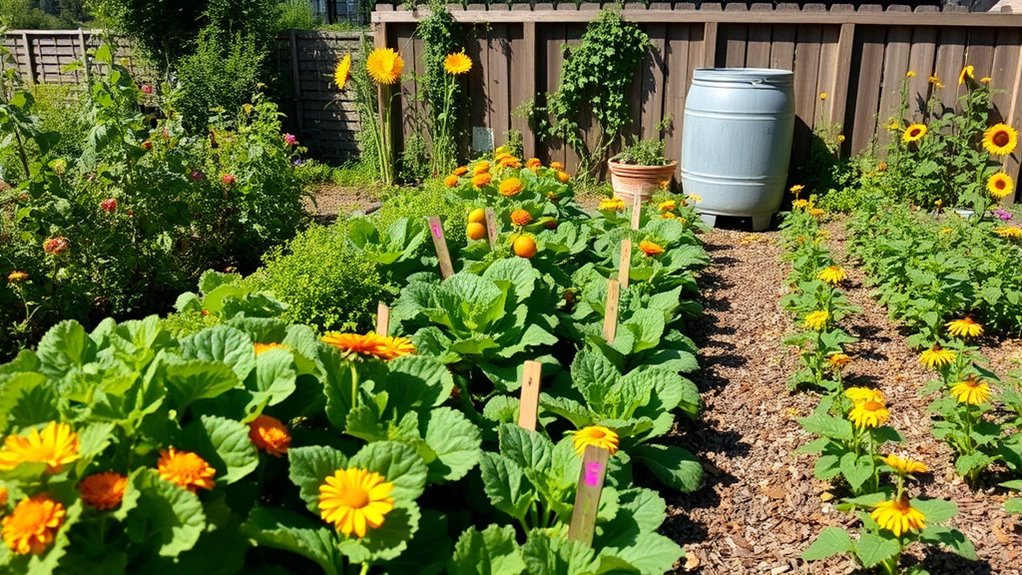
One of the first steps in sustainable gardening is choosing organic seeds or plants. These varieties are often more resilient and healthier for the soil. By selecting native plants or heirloom varieties, you can create a garden that thrives in your local climate. This means less water, fewer resources, and a lower risk of introducing invasive species. You’ll not only enjoy a bountiful harvest but also support local biodiversity by creating habitats for beneficial insects and wildlife.
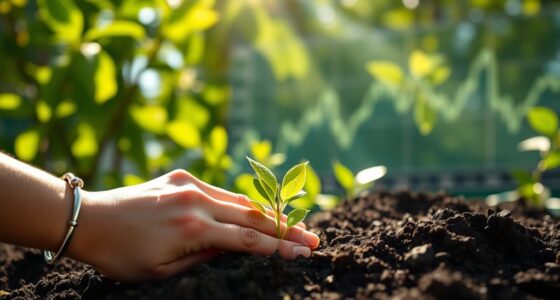
Choosing organic seeds and native plants fosters resilience, conserves resources, and nurtures local biodiversity in your garden.
When it comes to pest management, you might be tempted to reach for chemical pesticides. However, sustainable gardening encourages you to explore natural alternatives. You can introduce beneficial insects, like ladybugs or lacewings, which prey on common pests. Creating a diverse garden with a variety of plants also helps deter pests naturally. If you encounter any problems, using homemade sprays made from soap or neem oil can effectively manage infestations without harming the environment.
Soil health is *essential* in sustainable gardening. Instead of chemical fertilizers, try enriching your soil with compost or organic matter. This not only provides *vital* nutrients to your plants but also enhances soil structure, promoting better drainage and water retention. You can create a compost pile from kitchen scraps and yard waste, transforming what would be trash into nutrient-rich food for your garden.
Water conservation is another *pivotal* aspect. You can implement techniques like drip irrigation or rainwater harvesting to minimize water usage. Mulching your garden beds can also reduce evaporation, keeping the soil moist longer. This way, you’ll save water and help keep your plants healthy. Additionally, sustainable gardening practices contribute to ecosystem health, which is crucial for maintaining the balance of natural habitats.
Frequently Asked Questions
What Are the Best Organic Fertilizers for Sustainable Gardening?
The best organic fertilizers for your sustainable gardening include compost, worm castings, and bone meal. You’ll find that compost enriches your soil with nutrients and improves its structure. Worm castings are packed with beneficial microbes, promoting healthy plant growth. Bone meal offers a slow-release source of phosphorus, essential for root development. Don’t forget about fish emulsion, which provides a quick nutrient boost. By using these, you’ll foster a thriving garden naturally.
How Can I Attract Beneficial Insects to My Garden?
You might think attracting beneficial insects is tricky, but it’s easier than you think! Start by planting diverse flowers like marigolds and sunflowers, which provide nectar and pollen. Create habitats with native plants and include small water sources. Avoid pesticides, as they can harm the good bugs. Mulching and leaving some areas untended can also encourage them to take up residence in your garden. With a little effort, you’ll see a thriving ecosystem!
What Plants Are Best for Companion Planting?
For companion planting, you’ll want to contemplate plants like marigolds, which deter pests, and basil, known to enhance the flavor of tomatoes when planted nearby. Planting garlic can protect roses, while nasturtiums attract aphids away from vegetables. Pairing corn with beans helps both thrive, as the beans fix nitrogen in the soil. Experimenting with these combinations will help you create a thriving garden ecosystem while maximizing your plants’ health and productivity.
How Do I Manage Pests Without Chemicals?
Imagine your garden as a bustling city, where every plant is a resident. To manage pests, invite friendly neighbors like ladybugs and lacewings to patrol the streets. You can set up barriers, like row covers, to keep unwanted visitors out. Planting aromatic herbs, such as basil and mint, can confuse pests, making your garden a safer place. Regularly inspecting your plants helps you catch issues early, ensuring your city thrives without chaos.
What Tools Are Essential for Sustainable Gardening?
You’ll need a few essential tools for sustainable gardening. Start with a sturdy spade for digging and turning soil. A hand trowel’s great for planting and transplanting. Don’t forget pruning shears for maintaining your plants. A rake helps level soil and gather debris, while a hoe is perfect for weeding. Finally, invest in a compost bin to recycle organic waste. These tools will make your gardening experience more efficient and enjoyable!
Conclusion
By embracing sustainable gardening, you’re not just nurturing plants; you’re cultivating a greener future. With every seed you sow and every organic choice you make, you’re gently nudging the planet toward a healthier path. This isn’t just about avoiding chemicals; it’s about fostering a thriving ecosystem where nature flourishes. So, roll up your sleeves and dig in—your garden can be a sanctuary, a place where food grows in harmony with the earth, and health blossoms naturally.