The rise of virtual influencers is reshaping how brands connect with audiences. These computer-generated personalities blend artistry and technology, capturing the attention of Gen Z and millennials. With distinct styles and perfectly curated images, they offer brands control over messaging without the unpredictability of human influencers. This trend enhances engagement and creates innovative marketing strategies. By exploring further, you’ll discover how these digital entities are paving the way for the future of influencer marketing.
Key Takeaways
- Virtual influencers, computer-generated personas, are transforming brand interactions and gaining popularity among audiences, especially Gen Z and millennials.
- Brands benefit from the control and consistency offered by virtual influencers, reducing PR risks and maintaining targeted messaging.
- The appeal of virtual influencers lies in their authenticity and creativity, resonating with younger demographics accustomed to digital engagement.
- These digital personalities can adapt to various platforms, enhancing content strategies through innovative formats like AR and interactive experiences.
- Ethical concerns about transparency and authenticity arise with virtual influencers, necessitating clear communication about their AI-generated nature to avoid audience deception.
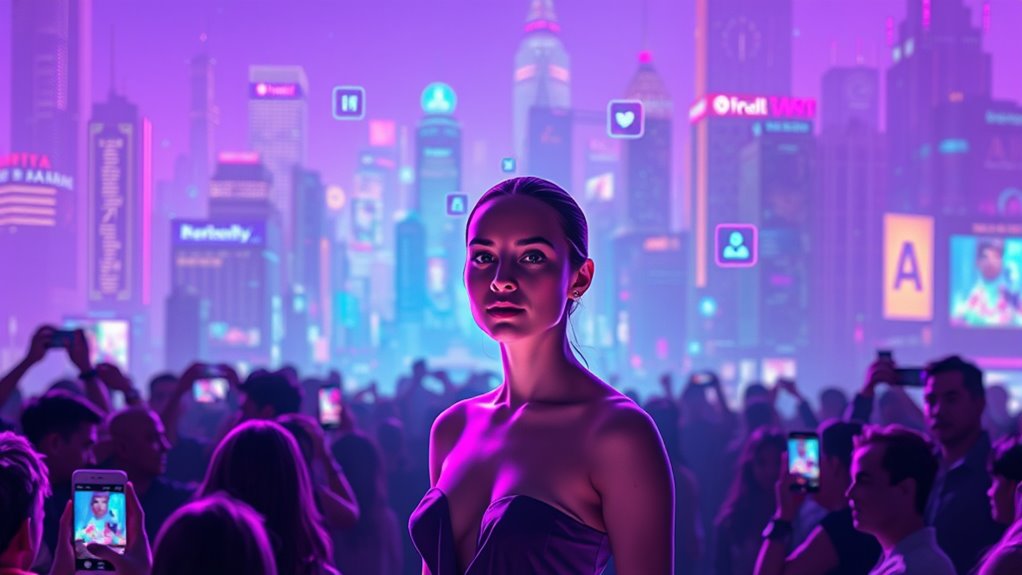
In today’s digital landscape, virtual influencers are reshaping the way brands connect with audiences. These computer-generated personalities have quickly gained traction, captivating followers and altering marketing strategies. You may find it surprising how brands are leveraging these artificial entities to build relationships with consumers, making them more relatable and engaging than ever before.
As you scroll through social media, you might notice these virtual influencers appearing alongside traditional ones, often with millions of followers. They have distinct personalities, styles, and backstories, just like real people. The beauty of virtual influencers lies in their ability to be perfectly curated. They can represent a brand’s ethos without the unpredictability that comes with human influencers. You won’t have to worry about a virtual influencer making a controversial remark or facing a public relations crisis. This level of control allows brands to maintain a consistent message, appealing to their target audience more effectively.
You can also appreciate that virtual influencers often appeal to a younger demographic, particularly Gen Z and millennials, who are more likely to embrace digital natives. This tech-savvy generation is drawn to authenticity and creativity, and virtual influencers offer both in spades. They showcase a blend of artistry and technology, making it easy for brands to capture attention in an increasingly crowded marketplace. By tapping into this trend, brands can resonate with audiences in ways that were previously unimaginable.
Moreover, virtual influencers can be deployed across various platforms, from Instagram to TikTok, providing versatility that human influencers may lack. They can easily adapt to different content strategies, whether it’s promoting products through stylish photos or engaging with followers through interactive stories. You’ll see how brands are experimenting with augmented reality and immersive experiences, allowing consumers to interact with these digital personalities in innovative ways.
Of course, the rise of virtual influencers isn’t without its challenges. You may question their authenticity and the ethical implications of using AI-created personas. It’s vital for brands to ensure transparency, making it clear that these influencers are not real people. However, if done right, they can create a unique connection with consumers that’s both engaging and memorable. Additionally, brands can learn from optimal tanning frequency to find the right balance in their marketing strategies.
Frequently Asked Questions
How Do Virtual Influencers Interact With Their Audience?
Virtual influencers interact with their audience through social media platforms, sharing engaging content like photos, videos, and stories. They respond to comments, conduct Q&A sessions, and even host live streams, creating a sense of connection. You’ll see them collaborating with brands and participating in trends, which keeps their interactions fresh and relatable. By using humor, relatable storytelling, and visuals, they foster a community that feels involved and valued, enhancing audience engagement.
Are Virtual Influencers More Cost-Effective Than Human Influencers?
Virtual influencers are like the superheroes of marketing—cost-effective and always on call. They don’t require costly photoshoots, fancy travel, or even meals. You can tweak their appearance or personality without breaking the bank. They also work around the clock, engaging your audience without demanding sleep or downtime. So, if you’re looking to stretch your budget while maximizing impact, virtual influencers are a game-changer for your brand’s outreach!
Can Virtual Influencers Have Their Own Personalities and Stories?
Yes, virtual influencers can definitely have their own personalities and stories. You’ll find that creators often design them with unique traits, backgrounds, and narratives that resonate with audiences. By crafting engaging content and interactions, these virtual personalities can develop loyal followings just like real people. They can evolve over time, adapting to trends and audience feedback, which enhances their relatability and connection with fans. It’s a fascinating blend of creativity and technology!
What Platforms Are Virtual Influencers Most Active On?
Imagine a bustling marketplace where vibrant characters gather. In this digital bazaar, virtual influencers thrive primarily on Instagram, TikTok, and YouTube. You’ll find them enthralling audiences with unique content, crafting stories that resonate. Each platform offers a different stage for their personas, allowing you to explore diverse narratives. As you scroll, you’ll witness how they engage followers, turning casual viewers into loyal fans, all while redefining what it means to be an influencer today.
How Are Virtual Influencers Created and Designed?
Virtual influencers are created using advanced computer-generated imagery (CGI) and animation software. Designers usually start with a concept, sketching the character’s look and personality. Then, they utilize 3D modeling tools to bring this character to life, adding textures and movements. You’ll often see a team of artists, animators, and marketers collaborating to confirm the influencer resonates with audiences. Once designed, these characters can be programmed to interact and post content across various platforms.
Conclusion
As you scroll through your feed, you can’t help but wonder—who’s real and who’s not? Virtual influencers are blurring the lines, mesmerizing millions with their flawless looks and curated lives. Imagine a world where these digital creations shape trends, influence purchases, and even spark conversations about identity. What happens when the line between reality and simulation fades away? As you ponder this, the next post could be the one that changes everything—are you ready for it?