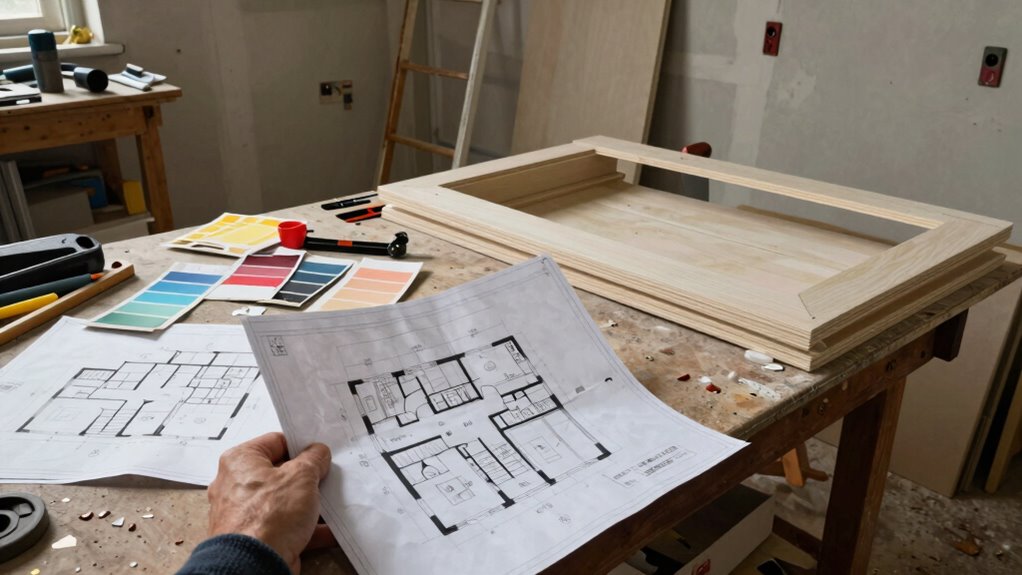

One of the most common DIY planning mistakes you can make is underestimating the project scope, which often leads to running out of materials or rushing through tasks. Ignoring realistic timelines and inadequate research can cause delays, mistakes, and safety issues. Without detailed plans or clear documentation, you risk disorganization, wasted resources, and budget overruns. If you want to avoid these pitfalls and guarantee smoother projects, keep going to discover how to plan effectively.
Key Takeaways
- Underestimating project scope leads to material shortages and budget overruns.
- Ignoring realistic timelines causes delays and frustration.
- Lack of proper research results in unsuitable tools, materials, and safety oversights.
- Absence of detailed planning documents creates disorganization and resource waste.
- Overall, poor planning increases risks of mistakes, rework, and project failure.
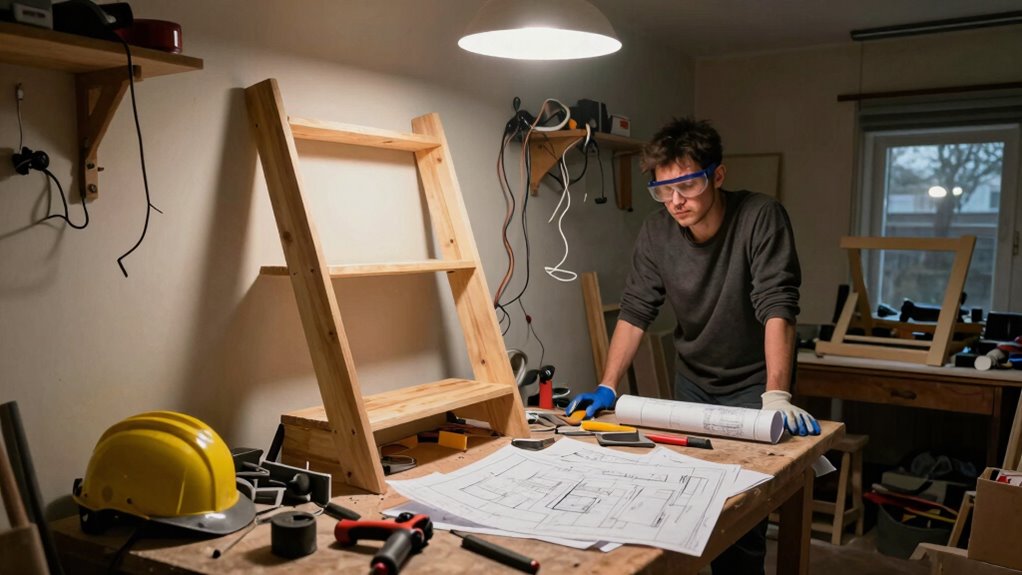
Planning your DIY projects can be rewarding, but it’s easy to make mistakes that can derail your progress. One of the most common pitfalls is underestimating the scope of the project. When you don’t plan thoroughly, you might find yourself running out of materials or needing additional tools halfway through. This often leads to budget overruns, where unexpected expenses eat into your budget and cause you to cut corners or postpone the project altogether. Moreover, skipping detailed planning can result in timeline delays, as you scramble to find supplies or fix mistakes caused by rushed work. To avoid these issues, it’s vital to map out every step of the process, from sourcing materials to final touches, and include extra time and funds for unforeseen problems.
Thorough planning prevents delays, budget overruns, and rushed mistakes in your DIY projects.
Another frequent mistake is ignoring the importance of realistic timelines. Many homeowners overestimate how quickly they can complete a project, especially if they’re juggling other responsibilities. When deadlines are overly optimistic, delays become inevitable. You might encounter setbacks like unavailable materials, weather disruptions, or simply discovering that the project is more complex than initially thought. These issues can extend your timeline considerably, leading to frustration and potential cost increases. To prevent this, be honest with yourself about how much time you can dedicate each day or week, and build in buffer periods to accommodate unexpected delays. Additionally, understanding the scope of the project and the skills needed can help you decide whether to DIY or hire a professional, preventing costly errors.
Failing to research properly before starting is another common mistake that hampers progress. Jumping into a project without understanding the required skills or necessary tools can lead to mistakes that cost time and money. For example, choosing the wrong type of paint or hardware can cause issues down the line, forcing you to redo work or buy additional supplies. Proper research helps you identify potential problems early on and plan for solutions, keeping your project on track and within budget. Conducting thorough research and planning also helps you become aware of necessary safety precautions, which are often overlooked but crucial for a successful DIY project. Being prepared with the right information minimizes the chances of encountering unexpected obstacles that could have been avoided with proper preparation.
Lastly, many homeowners overlook the importance of detailed planning documents. Without clear sketches, shopping lists, and step-by-step instructions, it’s easy to become disorganized. Disorganization often results in wasted materials, duplicated efforts, and forgotten tasks, all of which contribute to budget overruns and timeline delays. Taking time to create detailed plans ensures that you stay focused and efficient, minimizing the risk of costly mistakes. Proper documentation also allows you to track your progress and make adjustments as needed, ensuring a smoother project from start to finish. Moreover, organized planning can boost your confidence and help you stay motivated throughout the process.

Project Planner Notepad – Project Management Organizer Desk Pad – Manage Project Tasks and Meeting Deadlines Effectively – 50 Sheets of Premium 120gsm Paper | Management | A4 Mono
Comprehensive Project Planning: Plan for success with a dedicated project timeline and task sections to track milestones and…
As an affiliate, we earn on qualifying purchases.
As an affiliate, we earn on qualifying purchases.
Frequently Asked Questions
How Do I Prioritize My DIY Home Projects Effectively?
To prioritize your DIY home projects effectively, start by creating a clear project timeline, setting realistic deadlines for each task. Assess your available resources and allocate them wisely, focusing on high-impact projects first. Break larger tasks into manageable steps, and consider the order based on urgency and importance. Regularly review your progress, adjusting your plans as needed to stay on track and avoid feeling overwhelmed.
What Tools Are Essential for Successful DIY Planning?
You need essential tools like a good measuring tape, a level, and a power drill for successful DIY planning. Start with budget planning tools such as spreadsheets or budgeting apps to keep track of expenses. Keep your tools organized with storage bins or a toolbox to save time and avoid frustration. These essentials help you stay efficient, on budget, and ready to tackle your projects confidently.
How Can I Estimate a Realistic Budget for My Project?
To estimate a realistic budget, start by researching material costs for everything you need. Add a buffer for unexpected expenses, usually around 10-15%. Consider your timeline estimation, as longer projects often mean increased costs. Break down each task and price out supplies. Keep track of your expenses as you go, and adjust your budget accordingly to stay on track and avoid surprises.
When Should I Consider Hiring a Professional Instead of DIY?
You should consider hiring a professional when the project involves complex contractor selection or permit requirements that you’re unsure about. If the scope exceeds your skills, or if accurate timelines and safety are concerns, bringing in an expert guarantees code compliance and quality results. Professionals handle permits efficiently and navigate contractor decisions, saving you time and potential costly mistakes. Trust your judgment and don’t hesitate to seek help for challenging or regulated tasks.
How Do I Ensure Safety During DIY Home Improvements?
Prioritize protection by pairing proper safety gear with proactive hazard awareness. Dress diligently in goggles, gloves, and masks to defend against dust, debris, and chemicals. Keep your workspace well-lit and clutter-free to prevent slips and trips. Pause periodically to assess risks, and don’t hesitate to call in professionals for complex tasks. Staying vigilant, prepared, and cautious guarantees a safer, smoother DIY journey from start to finish.

Home Building Planner: | A Comprehensive Guide to Planning, Constructing, and Maintaining Your Dream Home| Organizer with Project Tracking and Budget Management |
As an affiliate, we earn on qualifying purchases.
As an affiliate, we earn on qualifying purchases.
Conclusion
Avoiding planning mistakes is like steering clear of potholes on a bumpy road—you’ll enjoy a smoother ride toward your dream project. By taking the time to plan carefully, set a realistic budget, and know your limits, you’ll turn your DIY dreams into a beautiful reality instead of a frustrating detour. Remember, a little extra prep work now can save you from a world of headaches later. Stay prepared, and watch your vision come to life like a well-tuned symphony.

chiazllta Jobsite Journal 7×10 Inch Construction Daily Log Undated Daily Log Record Construction Planner with PU Leather Cover Work Project Management Notebook
The Jobsite Journal: this offering features a single black construction planner ensures you have a streamlined tool for…
As an affiliate, we earn on qualifying purchases.
As an affiliate, we earn on qualifying purchases.

Calculated Industries 4019 Material Estimator Calculator | Finds Project Building Material Costs for DIY’s, Contractors, Tradesmen, Handymen and Construction Estimating Professionals,Yellow
WORKS IN UNITS THAT WORK FOR YOU — enter dimensions directly in feet, inches, fractions, yards and meters…
As an affiliate, we earn on qualifying purchases.
As an affiliate, we earn on qualifying purchases.