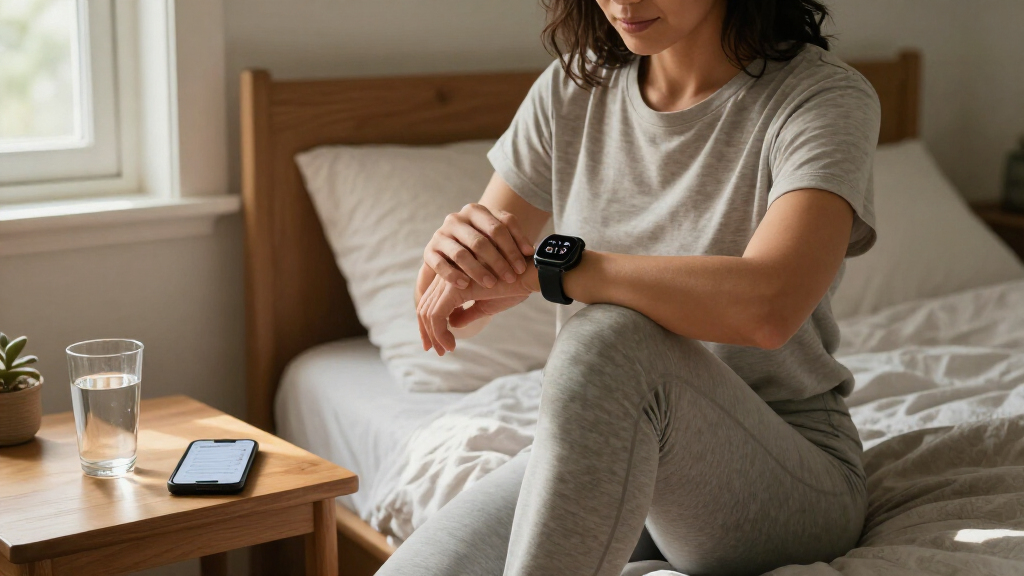
Choosing the best women’s health trackers requires balancing accurate cycle prediction with daily comfort and battery life. The Google Fitbit Charge 6 stands out as the best overall pick for its seamless integration of Irregular Heart Rhythm Notifications and robust Cycle Tracking features. For those who prefer jewelry over wristbands, the Oura Ring 5 offers superior sleep and recovery data in a discreet form factor, while the WHOOP 5.0 appeals to data-heavy users seeking deep physiological insights without a screen. The primary tradeoff you will face is between screen visibility and discreetness; wristbands offer immediate feedback but can be bulky, whereas rings and screenless bands are comfortable but require a phone to view data. This guide breaks down which device fits your lifestyle, whether you prioritize GPS accuracy, hormonal insights, or budget-friendly basics.

Get your next haul delivered free with Prime
- Fast, free delivery on millions of items
- Prime Video, Amazon Music and more included
- Member-only deals all year
Key Takeaways
- Wearable rings like the Oura Ring 5 and BIEMHA Smart Ring now provide cycle tracking accuracy that rivals dedicated wrist apps, but they lack real-time heart rate visibility during workouts.
- Screenless trackers like the WHOOP 5.0 and MorePro NOVA2.0 force a digital detox by removing notifications, shifting the focus entirely to recovery and strain data.
- The Garmin vívosmart 5 remains the strongest contender for women who want menstrual cycle logging integrated directly into their daily steps and sleep score without a subscription fee.
- Budget options like the D26E and MorePro often suffer from inflated step counts and inconsistent heart rate readings during high-intensity interval training.
- Subscription models are becoming standard for premium health insights; devices like WHOOP and Oura require ongoing payments to unlock detailed cycle and readiness metrics.
| Google Fitbit Charge 6 Fitness Tracker, Porcelain/Silver |  | Best Overall for Versatility | Display: 1.04-inch AMOLED | Battery Life: Up to 7 days | GPS: Built-in | VIEW LATEST PRICE | See Our Full Breakdown |
| Google Fitbit Edge Activity Tracker, Silver/Fog |  | Best for Minimalist Design | Shape: Oval | Battery Life: Up to 7 days | GPS: Built-in | VIEW LATEST PRICE | See Our Full Breakdown |
| Google Fitbit Inspire 3 Fitness Tracker with Small and Large Bands |  | Best Value for Battery Life | Display: Color Touchscreen | Battery Life: Up to 10 days | GPS: Via Smartphone | VIEW LATEST PRICE | See Our Full Breakdown |
| BIEMHA Smart Ring Health Tracker, Rose Gold |  | Best Subscription-Free Ring | Form Factor: Smart Ring | Battery Life: 2–3 days (5+ with case) | Water Resistance: 80 meters | VIEW LATEST PRICE | See Our Full Breakdown |
| D26E Fitness Tracker Smartwatch with Health, Sleep, and Activity Monitoring |  | Best Budget Smartwatch Alternative | Display: 1.47-inch TFT Color | GPS: Phone-Connected | Water Resistance: IP68 (50m) | VIEW LATEST PRICE | See Our Full Breakdown |
| MorePro Health Fitness Tracker with 24/7 Heart Rate and Activity Monitoring |  | Best for Screen Lovers on a Budget | Display: 1.47-inch touchscreen | Health Tracking: Heart rate, blood pressure, blood oxygen, sleep, women’s health | Battery Life: Up to 7 days | VIEW LATEST PRICE | See Our Full Breakdown |
| Garmin vívosmart 5 Health and Fitness Tracker, Small/Medium, White |  | Best for Data-Rich Health Insights | Model: vívosmart 5 | Health Metrics: Heart rate, sleep, stress, Body Battery, respiration | Water Resistance: 50 meters | VIEW LATEST PRICE | See Our Full Breakdown |
| Oura Ring 5 Smart Ring, Silver, Size 7 |  | Best Premium Screenless Design | Material: Titanium | Health Metrics: More than 50 metrics including sleep and stress | Battery Life: Up to 1 week | VIEW LATEST PRICE | See Our Full Breakdown |
| WHOOP 5.0/MG Screenless Fitness and Health Wearable with 12-Month Membership |  | Best for Serious Athletes and Recovery | Design: Screenless wearable | Battery Life: 14+ days | Health Tracking: HRV, RHR, respiratory rate, skin temp | VIEW LATEST PRICE | See Our Full Breakdown |
| Fitness Tracker Smartwatch with Health Monitoring, Sleep Tracking, and IP68 Water Resistance |  | Best for Customization and Style | Display: 1.47-inch TFT touchscreen | Water Resistance: IP68 (1 meter depth) | Health Tracking: Heart rate, blood oxygen, blood pressure, sleep | VIEW LATEST PRICE | See Our Full Breakdown |
| HOMOGO Smartwatch for Women with Bluetooth Calling, Health Tracking, and Two Bands |  | Best Budget Smartwatch for Notifications | Display: 1.83-inch HD touchscreen | Health Metrics: Heart rate, SpO2, stress, sleep, menstrual cycle | Connectivity: Bluetooth calling and notifications | VIEW LATEST PRICE | See Our Full Breakdown |
| MorePro NOVA2.0 Screenless Fitness Tracker |  | Best Screenless Tracker for Discreet Wear | Display: Screenless | Health Metrics: Heart rate, blood pressure, SpO2, HRV, sleep | Battery Life: 3-5 days (normal); 1-3 days (sports mode) | VIEW LATEST PRICE | See Our Full Breakdown |
| Garmin vívoactive 5 GPS Smartwatch, 42 mm, Orchid |  | Best Premium Health & Fitness Integration | Display: AMOLED | GPS: Built-in | Battery Life: Up to 11 days in smartwatch mode | VIEW LATEST PRICE | See Our Full Breakdown |
| FITVII Screenless Fitness Tracker with Adjustable Bands |  | Best Ultra-Slim Entry-Level Tracker | Display: No display | Health Metrics: Heart rate, blood pressure, SpO2, HRV, sleep | Battery Life: 3-5 days (normal); 1-3 days (sports) | VIEW LATEST PRICE | See Our Full Breakdown |
| UniJethro Smart Ring Health and Fitness Tracker |  | Best Smart Ring for Comfort | Form Factor: Smart Ring | Health Metrics: Heart rate, SpO2, BP, temperature, HRV, stress | Battery Life: 5-7 days regular use | VIEW LATEST PRICE | See Our Full Breakdown |
| women’s health tracker | Water Resistance | Battery Life | Display | GPS |
|---|---|---|---|---|
| Google Fitbit Charge 6 Fitness | 50 meters | Up to 7 days | 1.04-inch AMOLED | Built-in |
| Google Fitbit Edge Activity Tr | 50 meters | Up to 7 days | — | Built-in |
| Google Fitbit Inspire 3 Fitnes | 50 meters | Up to 10 days | Color Touchscreen | Via Smartphone |
| BIEMHA Smart Ring Health Track | 80 meters | 2–3 days (5+ with case) | — | Not Supported |
| D26E Fitness Tracker Smartwatc | IP68 (50m) | — | 1.47-inch TFT Color | Phone-Connected |
| MorePro Health Fitness Tracker | IP68 | Up to 7 days | 1.47-inch touchscreen | — |
| Garmin vívosmart 5 Health and | 50 meters | Up to 7 days | 0.41-inch OLED | Connected GPS via smartphone |
| Oura Ring 5 Smart Ring | IP68 | Up to 1 week | — | — |
| WHOOP 5.0/MG Screenless Fitnes | — | 14+ days | — | — |
| Fitness Tracker Smartwatch wit | IP68 (1 meter depth) | — | 1.47-inch TFT touchscreen | Via smartphone |
| HOMOGO Smartwatch for Women wi | IP68 (avoid hot water/seawater) | — | 1.83-inch HD touchscreen | Via smartphone only |
| MorePro NOVA2.0 Screenless Fit | IP68 | 3-5 days (normal); 1-3 days (sports mode) | Screenless | — |
| Garmin vívoactive 5 GPS Smartw | 50 meters | Up to 11 days in smartwatch mode | AMOLED | Built-in |
| FITVII Screenless Fitness Trac | IP68 waterproof | 3-5 days (normal); 1-3 days (sports) | No display | No GPS |
| UniJethro Smart Ring Health an | IP68/IP67 (inconsistent listing) | 5-7 days regular use | — | — |
More Details on Our Top Picks
Google Fitbit Charge 6 Fitness Tracker, Porcelain/Silver
This tracker stands out as the best overall option for women who want a comprehensive health dashboard without upgrading to a full smartwatch. Unlike the Fitbit Edge, which focuses on minimalist activity, the Charge 6 integrates Google Wallet and Maps directly into the wrist, making it far more useful for daily errands. The built-in GPS allows for precise route tracking without needing a phone, a significant advantage over the Fitbit Inspire 3, which relies on smartphone tethering. However, this feature density comes with a tradeoff: the Google Health Premium subscription is required for deeper insights after the trial, potentially adding long-term costs that budget-conscious buyers might find prohibitive compared to subscription-free alternatives.
Pros:- Integrated Google Wallet and Maps reduce the need to pull out a phone.
- Built-in GPS provides accurate outdoor tracking without smartphone tethering.
- Comprehensive sensor suite includes SpO2, skin temperature, and ECG capabilities.
- Slim, lightweight design is comfortable for 24/7 wear.
Cons:- Advanced health insights require a paid Google Health Premium subscription.
- Battery life is shorter than the Inspire 3, requiring charging every 7 days.
- Charging takes 2 hours, which is slower than some competitors.
Best for: Tech-savvy users who want payment integration, precise GPS tracking, and a wide array of sensors in a slim form factor.
Not ideal for: Buyers who refuse to pay for a subscription to access advanced health metrics or those who prefer a larger screen for detailed notifications.
- Display:1.04-inch AMOLED
- Battery Life:Up to 7 days
- GPS:Built-in
- Water Resistance:50 meters
- Sensors:HR, SpO2, Temp, GPS, Accel, Gyro
- Compatibility:Android 11+ / iOS 16.4+
- Subscription:Google Health Premium optional
Our verdict“Choose the Charge 6 if you want the most feature-rich Fitbit experience that bridges the gap between a fitness band and a smartwatch.”
Google Fitbit Edge Activity Tracker, Silver/Fog
The Fitbit Edge is the ideal choice for those who find traditional fitness bands too bulky. Its oval, ring-like shape offers a jewelry-like aesthetic that differs sharply from the rectangular screens of the Charge 6 or the D26E. While it retains essential features like built-in GPS and sleep tracking, it sacrifices the broad app ecosystem found in its siblings. This model is better suited to users who prioritize comfort and discreet design over smart features. Compared to the BIEMHA Smart Ring, the Edge offers a larger, more readable display, though it lacks the ring form factor. The tradeoff is a reliance on the Google Health app for most insights, which may feel limiting if you want standalone workout data on the device itself.
Pros:- Distinctive oval design is sleek and less obtrusive than rectangular bands.
- Fast charging provides a full day of power in just 5 minutes.
- Includes both small and large bands for a customized fit.
- Built-in GPS supports outdoor workouts without a phone.
Cons:- Glanceable display is too small for reading detailed notifications.
- Gemini-powered coaching features require a subscription.
- Lacks the extensive third-party app support of the Charge 6.
Best for: Style-conscious users who prefer a subtle, non-distracting wearable that focuses on sleep and daily activity rather than smart features.
Not ideal for: Users who want a large touchscreen for viewing texts, emails, or complex workout data directly on the wrist.
- Shape:Oval
- Battery Life:Up to 7 days
- GPS:Built-in
- Water Resistance:50 meters
- Band Sizes:Small and Large included
- Connectivity:Bluetooth
- OS:Fitbit OS
Our verdict“Pick the Fitbit Edge if you want a stylish, lightweight tracker that prioritizes sleep and daily movement over smartwatch functionality.”
Google Fitbit Inspire 3 Fitness Tracker with Small and Large Bands
For buyers prioritizing longevity over advanced features, the Fitbit Inspire 3 is a standout. It boasts an impressive 10-day battery life, significantly outlasting the Charge 6 and the Edge. This makes it perfect for those who dislike frequent charging cycles. While it lacks the built-in GPS of its premium siblings, requiring a connected smartphone for route tracking, it covers the essentials: heart rate, SpO2, stress, and menstrual health tracking. The color touchscreen is a major upgrade from previous Inspire models, offering a modern look at a lower price point. However, compared to the BIEMHA Smart Ring, the Inspire 3 is bulkier on the wrist, though it offers a more intuitive interface for checking notifications and workout stats.
Pros:- Up to 10 days of battery life reduces charging frequency.
- Lightweight and slim profile is comfortable for sleep tracking.
- Includes menstrual health tracking and stress management tools.
- Color touchscreen provides clear visibility for notifications and stats.
Cons:- No built-in GPS; requires a smartphone for location tracking.
- Some advanced features are locked behind the Fitbit Premium trial.
- Plastic construction feels less premium than the stainless steel Charge 6.
Best for: Budget-conscious users who want reliable health tracking and long battery life without paying for built-in GPS or smart apps.
Not ideal for: Runners or cyclists who need standalone GPS tracking for routes without carrying a phone.
- Display:Color Touchscreen
- Battery Life:Up to 10 days
- GPS:Via Smartphone
- Water Resistance:50 meters
- Weight:3.8 ounces
- Compatibility:iOS 15+ / Android 9+
- Tracking:HR, SpO2, Sleep, Stress, Menstrual
Our verdict“The Inspire 3 is the smart buy for those who want essential health metrics and minimal maintenance in a lightweight package.”
BIEMHA Smart Ring Health Tracker, Rose Gold
The BIEMHA Smart Ring offers a compelling alternative to wrist-worn devices for those who dislike the bulk of trackers. Unlike the Oura Ring or Whoop, which often mandate steep membership fees, this ring claims to require no app subscription, making it a financially attractive option for long-term use. It tracks sleep, activity, and heart rate, providing a discreet form factor that is waterproof to 80 meters. However, its 2–3 day battery life is a significant drawback compared to the week-long endurance of the Fitbit Edge or Inspire 3. The lack of GPS means it cannot track outdoor routes, limiting its utility for serious athletes. It is best viewed as a passive health monitor rather than an active training companion.
Pros:- No subscription fee required for access to health data.
- High water resistance rating of 80 meters supports swimming.
- Discreet ring form factor is ideal for sleep and daily wear.
- Compatible with both iOS and Android devices.
Cons:- Short battery life of 2–3 days without the charging case.
- No GPS support limits outdoor workout tracking capabilities.
- Heart rate sampling every 30 minutes is less frequent than wrist trackers.
Best for: Users who want a discreet, jewelry-like wearable for sleep and basic activity tracking without recurring subscription costs.
Not ideal for: Athletes who need GPS route tracking or users who dislike charging their wearable every few days.
- Form Factor:Smart Ring
- Battery Life:2–3 days (5+ with case)
- Water Resistance:80 meters
- GPS:Not Supported
- Subscription:None Required
- HR Monitoring:Every 30 minutes
- Compatibility:iOS and Android
Our verdict“Choose the BIEMHA Ring if you prioritize a subscription-free, minimalist design for passive health monitoring over active fitness features.”
D26E Fitness Tracker Smartwatch with Health, Sleep, and Activity Monitoring
The D26E serves as a cost-effective entry point for users who want a larger screen than a band offers. Its 1.47-inch color touchscreen is significantly bigger than the displays on the Fitbit Inspire 3 or Edge, making notifications and watch faces easier to read. While it lacks the refined sensor accuracy and ecosystem integration of the Charge 6, it covers the basics: heart rate, blood oxygen, and menstrual cycle tracking. The IP68 rating suggests durability, though the listed 50-meter depth is conservative. Like the Inspire 3, it relies on phone-connected GPS, so it is not ideal for phone-free runs. This model is best for those who want a smartwatch aesthetic and customizable faces without investing in a premium brand like Garmin or Apple.
Pros:- Large 1.47-inch display offers better visibility for notifications.
- Customizable watch faces allow for personalization.
- Tracks essential metrics like sleep stages and menstrual cycles.
- Compatible with a wide range of iOS and Android devices.
Cons:- GPS requires a connected smartphone for route tracking.
- Sensor accuracy and data depth lag behind premium Fitbit models.
- Build quality and materials feel less durable than stainless steel alternatives.
Best for: Beginners who want a large, customizable screen and basic health metrics at an accessible price point.
Not ideal for: Power users who need precise GPS tracking, third-party app compatibility, or verified medical-grade sensors.
- Display:1.47-inch TFT Color
- GPS:Phone-Connected
- Water Resistance:IP68 (50m)
- Health Monitoring:HR, SpO2, Sleep, Menstrual
- Sports Modes:Multiple (Running, Swimming, etc.)
- Compatibility:iOS 9+ / Android 4.4+
- Band Width:16 mm
Our verdict“The D26E is a solid starter smartwatch for those who value screen size and customization over advanced health analytics.”
MorePro Health Fitness Tracker with 24/7 Heart Rate and Activity Monitoring
This tracker stands out for those who prioritize a large, customizable display over minimalist designs. Compared to the screenless WHOOP 5.0, the MorePro offers a 1.47-inch touchscreen that makes checking stats intuitive without opening an app. It integrates women’s health tracking alongside standard metrics, providing a holistic view for users who want visible data on their wrist. However, unlike the Oura Ring 5, it requires you to interact with the device for readings, which can interrupt sleep or activity. The seven-day battery life is competitive, though charging takes two hours, slightly slower than some premium alternatives. It is a solid choice for those who want visual feedback without the premium price tag of smartwatches.
Pros:- Large 1.47-inch touchscreen with 300+ customizable watch faces
- Includes dedicated women’s health and menstrual cycle tracking
- IP68 water resistance suitable for swimming and showering
- Up to 7 days of battery life under normal usage
Cons:- Blood oxygen readings are on-demand only, not continuous
- Health data is for general wellness reference, not medical diagnosis
- No built-in GPS, relying on smartphone connection for location data
Best for: Users who prefer a traditional watch interface and want to see health metrics directly on the wrist without relying solely on a phone app.
Not ideal for: Minimalists who dislike screen glare or those who need medical-grade accuracy, as readings are for general wellness only.
- Display:1.47-inch touchscreen
- Health Tracking:Heart rate, blood pressure, blood oxygen, sleep, women’s health
- Battery Life:Up to 7 days
- Water Resistance:IP68
- Connectivity:Bluetooth 5.3
- Sports Modes:7 modes (running, cycling, yoga, etc.)
- Compatibility:Android 7.0+ and iOS 13.0+
Our verdict“This is the right pick if you want a feature-rich, visible display for daily health monitoring without breaking the bank.”
Garmin vívosmart 5 Health and Fitness Tracker, Small/Medium, White
The Garmin vívosmart 5 is tailored for users who want deep physiological insights beyond simple step counts. It tracks Body Battery energy levels, stress, and respiration, offering a nuanced picture of daily readiness that competitors like the MorePro Health Fitness Tracker lack. The 50-meter water resistance makes it more robust for open-water swimming than many budget bands. While it lacks a large color screen, its compact OLED display is discreet and efficient. The tradeoff is the reliance on a paired smartphone for GPS tracking, which adds friction for runners who prefer a standalone device. It is ideal for those who prioritize long-term health trends over flashy interfaces.
Pros:- Tracks Body Battery, stress, and respiration for holistic health data
- 50-meter water resistance supports swimming and diving
- Interchangeable bands allow for style customization
- Lightweight 24.5g design is comfortable for all-day wear
Cons:- GPS tracking requires a connected smartphone
- Small 0.41-inch OLED screen offers limited visibility
- Pulse Ox availability varies by region
Best for: Health enthusiasts who want advanced metrics like Body Battery and stress monitoring in a discreet, lightweight form factor.
Not ideal for: Runners who want standalone GPS without carrying a phone, or those who prefer a large, colorful touchscreen.
- Model:vívosmart 5
- Health Metrics:Heart rate, sleep, stress, Body Battery, respiration
- Water Resistance:50 meters
- Battery Life:Up to 7 days
- Weight:24.5 g
- Display:0.41-inch OLED
- GPS:Connected GPS via smartphone
Our verdict“Choose this if you value detailed health analytics and durability over screen size and standalone GPS capabilities.”
Oura Ring 5 Smart Ring, Silver, Size 7
The Oura Ring 5 redefines wearable health tracking by eliminating the screen entirely, focusing on comfort and sleep quality. Unlike the Garmin vívosmart 5, which you might remove for certain activities, the Oura is designed to be worn 24/7, including during showers and workouts. It tracks over 50 health metrics, providing detailed insights into recovery and readiness. The titanium construction feels luxurious and durable, though the requirement for a monthly subscription after the first month adds ongoing cost. Sizing is critical here; unlike standard jewelry, you must use the sizing kit, making the purchase process more involved than with wrist-based trackers. It is the ultimate choice for those who want health data without the distraction of notifications.
Pros:- Screenless titanium design is comfortable for 24/7 wear
- Tracks over 50 metrics including detailed sleep and recovery
- Integrates with over 40 health and fitness apps
- IP68 water resistance allows for showering and swimming
Cons:- Requires a monthly membership subscription after the first month
- Sizing is unique and requires a separate sizing kit for accuracy
- No screen means no on-wrist notifications or time display
Best for: Individuals who prioritize sleep tracking and comfort, and are willing to pay for a subscription for premium analytics.
Not ideal for: Budget-conscious buyers or those who dislike recurring subscription costs for basic health data.
- Material:Titanium
- Health Metrics:More than 50 metrics including sleep and stress
- Battery Life:Up to 1 week
- Water Resistance:IP68
- Connectivity:Bluetooth
- Membership:Subscription required after first month
- Weight:0.06 kg
Our verdict“This is the premium choice for users who want seamless, distraction-free health monitoring and are comfortable with a subscription model.”
WHOOP 5.0/MG Screenless Fitness and Health Wearable with 12-Month Membership
WHOOP 5.0 is engineered for performance athletes who need granular recovery data. Unlike the Oura Ring 5, which focuses on general wellness, WHOOP emphasizes strain and recovery scores to optimize training load. The screenless design ensures no distractions, while the 14+ day battery life is superior to most wrist trackers. The included waterproof PowerPack allows charging while wearing the band, a unique feature that minimizes downtime. However, the device is useless without the WHOOP Life membership, which is included for 12 months but represents a significant long-term investment. It tracks advanced metrics like HRV and skin temperature, making it ideal for data-driven fitness enthusiasts who want to push their limits safely.
Pros:- Provides personalized coaching on strain, recovery, and sleep
- 14+ day battery life with charge-while-wearing PowerPack
- Tracks advanced metrics like HRV, respiratory rate, and skin temp
- Screenless design eliminates notifications and distractions
Cons:- Requires a WHOOP membership subscription to access data
- Blood pressure insights are estimates, not medical readings
- No time display or standard smartwatch features
Best for: Athletes and fitness enthusiasts who want detailed coaching on strain, recovery, and sleep to optimize performance.
Not ideal for: Casual users who just want step counts, or those who do not want to commit to a long-term membership subscription.
- Design:Screenless wearable
- Battery Life:14+ days
- Health Tracking:HRV, RHR, respiratory rate, skin temp
- Membership:12 months of WHOOP Life included
- PowerPack:Waterproof, IP68, charge-while-wearing
- ECG:On-demand wrist ECG
- Included Accessories:SuperKnit Luxe band
Our verdict“This is the definitive tool for athletes seeking professional-grade recovery insights and performance coaching.”
Fitness Tracker Smartwatch with Health Monitoring, Sleep Tracking, and IP68 Water Resistance
This smartwatch appeals to users who want visual variety and smart features on a budget. With 200+ watch faces and photo customization, it offers more aesthetic flexibility than the functional but plain Garmin vívosmart 5. It includes practical smart features like music control and phone location, bridging the gap between a fitness tracker and a smartwatch. However, the 1-meter water resistance rating is less robust than the 50-meter rating of the Garmin, making it better suited for showering and splashes rather than serious swimming. The 1.47-inch TFT screen is bright and easy to read, though it may lack the crispness of higher-end OLED displays. It is a solid entry-level option for those who want style and connectivity.
Pros:- Over 200 customizable watch faces including photo options
- Includes smart features like music and camera control
- IP68 water resistance handles sweat and light rain
- Tracks standard health metrics including heart rate and sleep
Cons:- Water resistance listed at only 1 meter depth
- GPS relies on smartphone connection for tracking routes
- TFT display may not be as sharp as OLED alternatives
Best for: Users who prioritize watch face customization and smart features like music control over advanced health analytics.
Not ideal for: Swimmers or divers, given the lower 1-meter water resistance rating compared to competitors.
- Display:1.47-inch TFT touchscreen
- Water Resistance:IP68 (1 meter depth)
- Health Tracking:Heart rate, blood oxygen, blood pressure, sleep
- Connectivity:Bluetooth
- Compatibility:iOS 9.0+ and Android
- Strap:16 mm interchangeable
- GPS:Via smartphone
Our verdict“This is the best choice for style-conscious users who want a colorful, customizable screen with basic smart capabilities.”
HOMOGO Smartwatch for Women with Bluetooth Calling, Health Tracking, and Two Bands
This device positions itself as the best value smartwatch for users who prioritize communication over advanced athletic metrics. Unlike the screenless MorePro NOVA2.0, this watch features a 1.83-inch HD touchscreen that allows you to manage calls and view detailed health data directly on your wrist. The inclusion of Bluetooth calling is a significant advantage over basic trackers that only show notifications. However, the tradeoff is clear: it lacks built-in GPS, meaning you must carry your phone for accurate route mapping. While the menstrual cycle tracking is helpful, the data depth does not match premium options like the Garmin vívoactive 5. It is an ideal choice for those who want a stylish, functional accessory that handles daily logistics without the high price tag of dedicated fitness watches.Pros:- Includes Bluetooth calling and contact storage for hands-free communication
- Comes with two interchangeable bands (stainless steel and silicone) for versatility
- Tracks essential women’s health metrics including menstrual cycle and stress
Cons:- Requires a connected smartphone for GPS functionality
- Manufacturer advises avoiding hot water and seawater, limiting shower/swim use
Best for: Women who want a stylish watch with call capabilities and basic health monitoring without paying for premium GPS features.
Not ideal for: Serious runners or cyclists who need accurate, phone-free route tracking and advanced performance metrics.
- Display:1.83-inch HD touchscreen
- Health Metrics:Heart rate, SpO2, stress, sleep, menstrual cycle
- Connectivity:Bluetooth calling and notifications
- GPS:Via smartphone only
- Water Resistance:IP68 (avoid hot water/seawater)
- Bands:Stainless steel and silicone
- Compatibility:Android 8.0+ and iOS 13.0+
Our verdict“Choose this if you want a connected lifestyle device with calling features at a lower entry price.”
MorePro NOVA2.0 Screenless Fitness Tracker
The MorePro NOVA2.0 stands out as the best screenless option for those who find traditional smartwatches distracting. By removing the display, it shifts the focus entirely to passive data collection, offering a cleaner aesthetic than the HOMOGO Smartwatch. It tracks a comprehensive suite of metrics, including HRV and blood pressure, which are often missing in budget devices. The Guest Mode is a notable privacy feature, allowing use without creating an account. However, the battery life can drop to just 1–3 days with heavy sports usage, which is shorter than the Garmin vívoactive 5. Additionally, the lack of a screen means you must pull out your phone to check any metric, interrupting the seamless experience some users desire.Pros:- Slim, screenless design offers a low-profile, distraction-free wear experience
- Includes Guest Mode for privacy and no subscription fees for core features
- Tracks HRV and blood pressure alongside standard activity metrics
Cons:- Battery life reduces significantly to 1-3 days with frequent sports mode use
- No display means you cannot view data without a connected smartphone
Best for: Minimalists who want continuous health monitoring without the distraction of notifications or a screen.
Not ideal for: Users who prefer glancing at their wrist for immediate data or notifications during workouts.
- Display:Screenless
- Health Metrics:Heart rate, blood pressure, SpO2, HRV, sleep
- Battery Life:3-5 days (normal); 1-3 days (sports mode)
- Water Resistance:IP68
- Wrist Fit:6.22–9.45 inches
- Connectivity:Bluetooth 5.0
- Subscription:No subscription required
Our verdict“Ideal for privacy-conscious users who want a set-and-forget health monitor.”
Garmin vívoactive 5 GPS Smartwatch, 42 mm, Orchid
As the premium pick, the Garmin vívoactive 5 delivers depth that budget trackers cannot match. Its built-in GPS ensures accurate route mapping without a phone, a major upgrade over the HOMOGO Smartwatch. The AMOLED display is vibrant and easy to read, while the 11-day battery life outlasts most competitors. Garmin’s ecosystem offers sophisticated sleep coaching and wheelchair activity tracking, demonstrating a commitment to inclusive health tech. However, this sophistication comes with a higher cost and a steeper learning curve compared to simpler devices like the MorePro NOVA2.0. While the Garmin Pay and music storage add convenience, the primary value lies in the accuracy of its health metrics and the robustness of its sports profiles, making it suitable for data-driven users.Pros:- Built-in GPS provides accurate activity tracking without a smartphone
- Up to 11 days of battery life in smartwatch mode
- Includes wheelchair activity tracking and advanced sleep coaching features
Cons:- Higher price point compared to basic fitness bands
- Smart notifications require constant pairing with a smartphone
Best for: Fitness enthusiasts who require accurate GPS tracking, detailed sleep analysis, and long battery life.
Not ideal for: Casual users who find Garmin’s interface complex or do not need advanced sports metrics.
- Display:AMOLED
- GPS:Built-in
- Battery Life:Up to 11 days in smartwatch mode
- Water Resistance:50 meters
- Case Size:42 mm
- Sports Apps:More than 30
- Features:Garmin Pay, Music Storage, Sleep Coaching
Our verdict“The go-to choice for users serious about health data accuracy and athletic performance.”
FITVII Screenless Fitness Tracker with Adjustable Bands
The FITVII Screenless Fitness Tracker competes directly with the MorePro NOVA2.0 by offering a similar screenless form factor at a likely lower barrier to entry. It focuses on background monitoring of heart rate, blood pressure, and HRV, keeping the user experience simple and uncluttered. The adjustable bands accommodate a wide range of wrist sizes, making it accessible for more users than rigid-bangle alternatives. Like its competitor, it lacks built-in GPS and a display, which means it is strictly a companion device to your phone. The guest mode feature is a welcome addition for privacy. However, the battery life fluctuates similarly to the MorePro, dropping significantly during intense activity, which requires more frequent charging habits for active users.Pros:- Ultra-slim, screenless design minimizes bulk and distraction
- No monthly subscription is required for app access
- Includes two adjustable bands to fit various wrist sizes comfortably
Cons:- No display or built-in GPS limits standalone functionality
- Battery life decreases to 1-3 days with frequent sports mode usage
Best for: Beginners seeking a low-cost, no-frills health monitor with a comfortable, slim fit.
Not ideal for: Users who want on-wrist data visibility or independent GPS tracking.
- Display:No display
- Health Metrics:Heart rate, blood pressure, SpO2, HRV, sleep
- Battery Life:3-5 days (normal); 1-3 days (sports)
- Water Resistance:IP68 waterproof
- Wrist Fit:6.22–9.45 inches
- GPS:No GPS
- Subscription:No subscription required
UniJethro Smart Ring Health and Fitness Tracker
The UniJethro Smart Ring offers a distinct alternative to wrist-worn devices like the Garmin vívoactive 5 for those who dislike wearing watches to sleep. Its ring form factor is less intrusive during rest and daily activities, tracking metrics like body temperature and stress alongside standard health data. The two-year warranty is notably longer than the one-year warranty on the MorePro NOVA2.0, suggesting confidence in durability. However, the water resistance rating is listed inconsistently as IP68 and IP67 in the product data, which creates uncertainty about shower or swim safety. Additionally, without a display, you are entirely dependent on your smartphone for data review. The remote photo capture feature is a fun extra, but the core value remains in its discreet, comfortable form factor for 24/7 wear.Pros:- Tracks body temperature and stress in addition to standard health metrics
- Includes a two-year warranty, exceeding the standard one-year coverage
- Supports remote photo capture and health data sharing via app
Cons:- No built-in display requires smartphone access for all data
- Inconsistent water resistance listings (IP68 vs IP67) create uncertainty
Best for: Users who prefer a ring over a watch for sleep tracking and all-day comfort.
Not ideal for: Swimmers or those who need consistent, verified water resistance ratings for aquatic activities.
- Form Factor:Smart Ring
- Health Metrics:Heart rate, SpO2, BP, temperature, HRV, stress
- Battery Life:5-7 days regular use
- Water Resistance:IP68/IP67 (inconsistent listing)
- Materials:Resin and stainless steel
- Warranty:2 years
- Subscription:No app subscription fees
Our verdict“A comfortable, warranty-backed smart ring for those avoiding wristbands.”
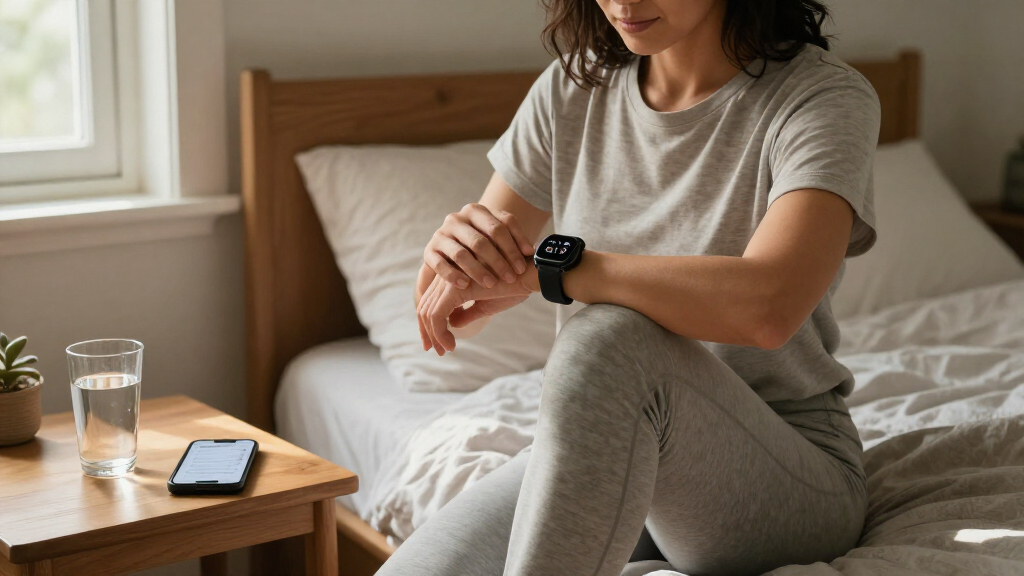
How We Picked
I evaluated these devices based on their specific capabilities for women’s health monitoring, prioritizing the accuracy of cycle prediction algorithms and the depth of hormonal insight data. Features like skin temperature variation and HRV (Heart Rate Variability) were weighed more heavily than generic step counting, as these metrics are critical for detecting ovulation and luteal phase shifts.
I also considered the user interface experience for managing menstrual logs. A tracker is only useful if the app makes it easy to log symptoms and view trends over time. Devices that buried cycle tracking under multiple menu layers or required third-party app integrations were ranked lower than those with native, streamlined health dashboards. Battery life and comfort during sleep were also non-negotiable, given that many women wear these devices 24/7 to capture overnight temperature shifts.
Factors to Consider When Choosing Best Women’s Health Trackers
Selecting the right health tracker is not just about picking the most expensive gadget; it is about matching the hardware to your specific health goals and lifestyle constraints.Form Factor: Wristband vs. Ring vs. Screenless
The physical design of your tracker dictates how often you will actually wear it. Wristbands like the Fitbit Charge 6 are versatile and offer screen-based feedback, making them ideal for users who want to check their heart rate mid-workout without pulling out a phone. However, they can be bulky during sleep or when wearing tight sleeves. Smart rings such as the Oura Ring 5 excel in comfort and social discretion, often providing more accurate overnight temperature readings due to finger placement, but they lack on-device displays. Screenless bands like WHOOP remove the distraction of notifications entirely, fostering a mindful approach to health, though they require you to sync with a smartphone to see any data. Choose your form factor based on whether you need immediate data access or prefer a ‘set and forget’ wearable.
The Hidden Cost of Subscriptions
Many modern health trackers operate on a freemium model where the hardware is just the entry point. WHOOP and Oura require monthly or annual subscriptions to access the detailed cycle tracking and readiness scores that make them valuable. In contrast, Fitbit and Garmin offer basic cycle logging and health insights for free, reserving advanced analytics for premium tiers. Before purchasing, calculate the total cost of ownership over three years. A cheaper device with a mandatory subscription might end up costing more than a premium device with free features. Ensure you are comfortable with the ongoing financial commitment before committing to a platform.
Accuracy of Temperature and HRV Metrics
For women’s health, heart rate variability (HRV) and skin temperature are the primary indicators of hormonal shifts and ovulation. Not all sensors are created equal. High-end devices like the Garmin vívoactive 5 and Oura Ring 5 use multiple optical sensors and temperature probes to minimize noise from movement or ambient temperature changes. Budget trackers often rely on single-point optical sensors that struggle to maintain accuracy during sleep, leading to inconsistent cycle predictions. If your primary goal is fertility awareness or detecting perimenopause symptoms, investing in a device with clinically validated temperature sensing is far more important than having a color screen.
Smartphone Ecosystem Compatibility
Your health tracker should not fight against your existing phone. Apple Watch users (though not in this specific list, the principle applies) and Android users face different integration levels with third-party trackers. Fitbit and Garmin are platform-agnostic, working well with both iOS and Android. However, some niche brands may have buggy apps on one platform compared to the other. Check recent user feedback on app stability and data export options. Being able to export your cycle and health data to a spreadsheet or a third-party app like Apple Health or Google Fit ensures you are not locked into a proprietary ecosystem that might change its terms or discontinue support.
Battery Life and Charging Habits
Consistency is key for tracking monthly cycles, which means you need to wear the device every night. If your tracker requires charging every two days, you are likely to miss data points during your period or ovulation window. Devices like the Fitbit Inspire 3 offer up to 10 days of battery life, reducing the friction of keeping it charged. WHOOP and Oura typically last 4-7 days. Consider your lifestyle: if you travel frequently or forget to charge devices, prioritize models with longer battery life or fast-charging capabilities. A missed night of sleep data can disrupt the 90-day baseline calculation these devices use to predict your cycle accurately.
Frequently Asked Questions
Do I need a smartwatch with a screen for cycle tracking?
No, you do not need a screen to track your cycle effectively. In fact, devices like the WHOOP 5.0 and Oura Ring 5 are often preferred by users who want to reduce screen time and anxiety. These devices collect data passively in the background and present cycle insights in a mobile app. A screen is only necessary if you want to view real-time heart rate zones during workouts or check notifications without pulling out your phone. For pure health monitoring, a screenless device or a ring often provides a more comfortable experience for 24/7 wear, which is essential for accurate temperature tracking.How accurate are these trackers for predicting ovulation?
Accuracy varies significantly between devices. Premium trackers like the Oura Ring 5 and Fitbit Charge 6 use a combination of skin temperature trends and heart rate variability (HRV) to predict ovulation with high reliability, often identifying a fertile window of 5-7 days. Budget trackers may only offer calendar-based predictions based on average cycle length, which ignores physiological signs of ovulation. If you are trying to conceive or avoid pregnancy, rely on devices that explicitly mention temperature-based ovulation detection rather than just calendar logging. Always treat these trackers as supportive tools, not medical diagnostic devices.Can I use these trackers if I have irregular periods?
Yes, but you should look for devices that adapt to your individual baseline rather than assuming a standard 28-day cycle. The Garmin vívosmart 5 and Fitbit models allow you to log symptoms and adjust cycle length manually, which helps the algorithm learn your unique patterns over time. WHOOP and Oura focus more on daily readiness and recovery, which can be beneficial if your cycle irregularities are linked to stress or hormonal imbalances. These devices highlight how your body responds to stressors, providing context that a simple calendar app cannot. Consistency in wearing the device is key to helping the algorithm adapt to your irregularity.Is it worth paying for a subscription for health tracking?
It depends on how deeply you engage with the data. If you are a data-driven user who wants to correlate HRV, sleep stages, and cycle phases with your training load or daily energy, a subscription for WHOOP or Oura provides actionable insights that free apps lack. However, if you primarily want to log your period and see basic step counts, free options like the Fitbit Inspire 3 or Garmin vívosmart 5 are sufficient. Evaluate whether the advanced metrics—such as menstrual cycle phase detection and respiratory rate trends—are worth the monthly fee for your specific health goals.Which tracker is best for menopause symptom monitoring?
Devices that track skin temperature and sleep disturbances are most helpful for menopause monitoring. The Oura Ring 5 and Garmin vívoactive 5 are strong contenders because they provide detailed insights into night sweats (via temperature spikes) and sleep fragmentation. The Fitbit Charge 6 also offers features like menopause insights in its premium tier, which can help identify patterns in hot flashes and sleep quality. Look for devices that allow you to tag symptoms like ‘hot flash’ or ‘insomnia’ in the app, enabling you to track triggers and manage symptoms more effectively over time.Conclusion
Selecting the best women’s health trackers comes down to your tolerance for subscriptions and your preference for form factor. For most women, the Google Fitbit Charge 6 is the best overall choice because it balances accurate cycle tracking, a useful screen, and a reasonable price point without mandatory fees for core features. If you prioritize premium insights and comfort, the Oura Ring 5 is the best premium option, offering unparalleled sleep and temperature data in a discreet package. For beginners or those on a budget, the Fitbit Inspire 3 provides essential health metrics without the complexity or cost. Finally, if you are an athlete looking to correlate training strain with hormonal cycles, the WHOOP 5.0 is the best for performance, despite its subscription requirement. Choose the device that you will actually wear every day, as consistency is the single most important factor in accurate health tracking.