To start rainwater harvesting at home, choose a clean, unobstructed roof surface to collect rainwater and install gutters with proper drainage. Use a sturdy, covered storage tank with filters to keep debris out, and connect it to your gutters with durable downspouts. Regularly clean and maintain your system to guarantee quality water and safety. Following these simple steps helps you set up an effective and eco-friendly system; keep exploring to learn more details.

Get your next haul delivered free with Prime
- Fast, free delivery on millions of items
- Prime Video, Amazon Music and more included
- Member-only deals all year
Key Takeaways
- Use the roof as a catchment surface and install gutters to direct rainwater into storage tanks.
- Choose a sturdy, properly positioned tank with filters and a lid to prevent debris and pests.
- Assess your property’s roof material and size to determine suitable capacity and ensure proper water flow.
- Regularly clean gutters, filters, and the tank to prevent clogs, sediment buildup, and contamination.
- Follow local regulations, use safety measures, and incorporate natural filtration for safe, legal rainwater harvesting.
Products Worth Considering

LEVOIT Vital 100S-P Smart Air Purifier with Washable Pre-Filter

Therabody Theragun Mini 3rd Generation Massage Gun

OMRON Complete 2-in-1 Upper Arm Blood Pressure Monitor with EKG
As an affiliate, we earn on qualifying purchases.
What Is Rainwater Harvesting and How Does It Work?
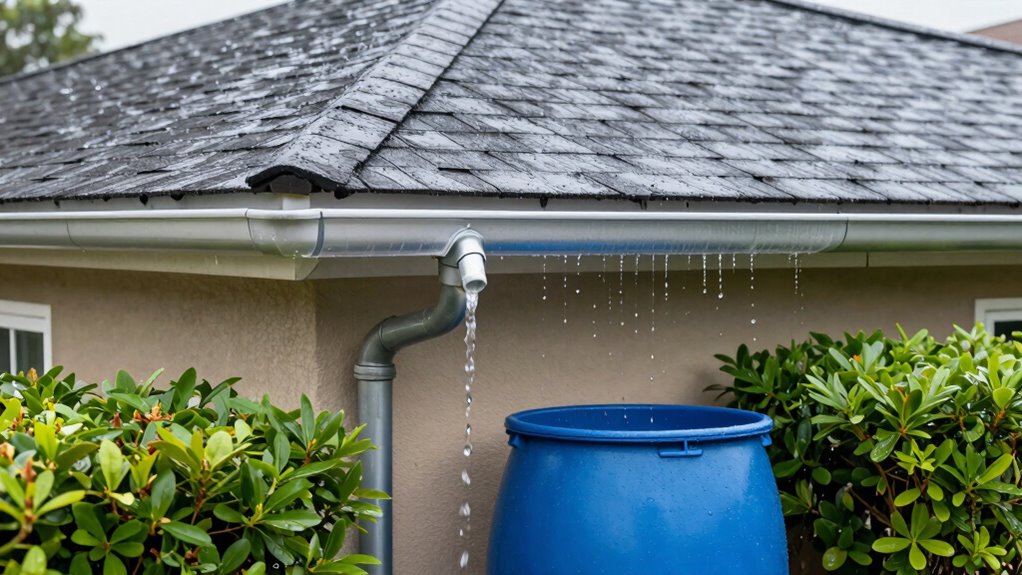
Have you ever wondered how rainwater harvesting works? It’s a simple process that helps with stormwater management and promotes water conservation. When it rains, your roof acts as a catchment surface, directing water into a gutter system. This water flows into storage tanks or barrels, ready for use in watering plants, flushing toilets, or other non-potable needs. Rainwater collection systems can be tailored to fit different household sizes and needs, making this method adaptable for most homes. By harvesting rainwater, you reduce runoff that can cause erosion and flooding, making stormwater management more effective. Properly designed, rainwater harvesting is an eco-friendly way to make use of natural rainfall and support sustainable water practices right at home. Additionally, incorporating appropriate filtration techniques ensures the stored water remains clean and safe for its intended uses. It’s an environmentally friendly method that reduces dependence on municipal water supplies and minimizes the impact on local water sources. It’s an easy, efficient method anyone can implement, especially when considering the water cycle and how it naturally replenishes resources.
How to Assess if Your Property Is Ready for Rainwater Harvesting

Before starting rainwater harvesting, you need to check if your roof material is suitable and won’t contaminate the water. Make sure your drainage system directs water properly and that the slope encourages runoff. Also, consider how much water you need and if your property can support a collection system effectively. Additionally, evaluating your property’s existing infrastructure can help determine if installing a rainwater storage system is feasible. It’s also important to assess the roof material to ensure it doesn’t negatively impact water quality, especially if you plan to use the water for drinking or irrigation. Conducting a site assessment can help identify potential issues early and ensure your system functions properly.
Roof Material Compatibility
Determining if your roof material is suitable for rainwater harvesting starts with evaluating its composition. Some materials, like metal or asphalt shingles, are generally safe, while others, like lead or asbestos, pose health risks. You should also consider how easily debris can clog your filters. Regular filter maintenance is essential to prevent clogs and keep your system functioning efficiently. Here’s a quick overview:
| Roof Material | Clog Prevention Tips | Suitability for Harvesting |
|---|---|---|
| Metal | Use fine mesh screens | Highly suitable |
| Asphalt Shingles | Clean gutters regularly | Suitable with maintenance |
| Clay Tiles | Check for debris buildup | Less ideal, more cleaning needed |
Additionally, understanding roof material compatibility can help you make informed decisions about your rainwater harvesting setup. Properly assessing your roof’s material properties ensures that your rainwater collection system remains safe and effective for your home.
Drainage and Slope
Is your property ready to effectively collect rainwater? The key is proper drainage design and slope optimization. First, check that your roof and surrounding surfaces direct water toward your collection system without pooling or runoff. A well-designed drainage system prevents erosion and guarantees water flows smoothly into storage. Assess the slope of your roof and yard—ideally, the roof should have a gentle pitch that guides water toward gutters and downspouts. Your yard should slope away from the foundation, reducing the risk of flooding and ensuring water naturally drains toward collection points. If the slope isn’t ideal, consider minor adjustments to improve flow. Proper drainage and slope optimization are vital to maximize rainwater collection and maintain a safe, efficient system. Additionally, understanding your property’s drainage patterns can help identify potential problem areas before installation. Evaluating soil permeability can also indicate how well your land absorbs water, affecting collection efficiency.
Water Usage Needs
How can you tell if your property can meet your water needs with rainwater harvesting? First, determine your typical water consumption, especially for garden irrigation and household use. Track your monthly water bills or estimate daily usage to understand your needs. Consider how much water your garden requires and whether rainwater can supplement or replace municipal supply. Incorporate water conservation practices to reduce overall demand, making rainwater harvesting more viable. Evaluate your roof size and catchment area; larger areas collect more water, supporting higher usage. If your estimated demand aligns with your harvest potential, your property is ready. Otherwise, you might need to adjust your water use or supplement with other sources to ensure your needs are met sustainably. Additionally, understanding chamber vacuum sealers and sealing gear can help you optimize your storage of harvested rainwater for long-term use, ensuring minimal contamination and maximum efficiency.
Benefits of Installing a Rainwater Harvesting System at Home
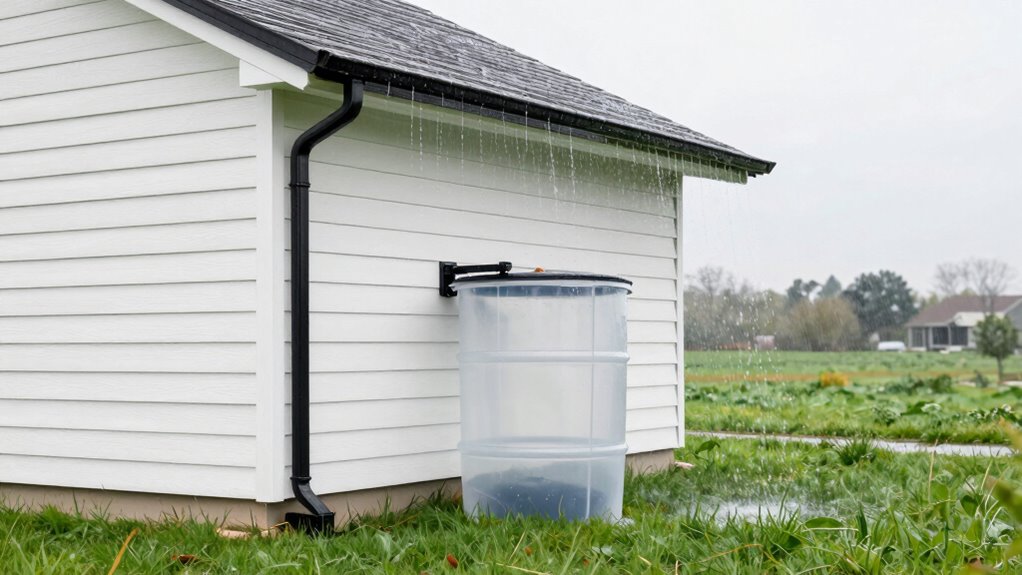
Have you considered the numerous advantages of installing a rainwater harvesting system at home? One major benefit is improved rainwater quality, which can be used for gardening, cleaning, or even drinking if properly filtered. This makes rainwater harvesting an effective way to reduce water bills while promoting sustainability. This reduces reliance on municipal water, helping you save money on your utility bills and lowering overall harvesting costs. Installing a system also promotes sustainability by conserving groundwater and reducing stormwater runoff, which can cause erosion and flooding. Additionally, harvesting rainwater decreases your environmental footprint, making your home more eco-friendly. Properly designed systems can also incorporate traditional Indonesian techniques, ensuring cultural authenticity and craftsmanship are maintained. Incorporating rainwater filtration methods can further enhance water quality for domestic use. Selecting appropriate storage tanks and components can make the system more efficient and easier to maintain. The setup is simple and inexpensive, especially for most homes, providing a cost-effective way to access free water. Overall, a rainwater harvesting system offers economic savings, environmental benefits, and a reliable water source during dry periods. Water conservation is a crucial aspect of sustainable living and can be greatly supported by rainwater harvesting efforts.
How to Pick the Best Spot and Surfaces for Catching Rainwater

Choosing the right spot and surfaces for catching rainwater is essential to maximize your system’s efficiency. When considering rain collection, look for surfaces that direct water easily into your catchment area. Flat, smooth surfaces like rooftops are ideal because they allow rain to flow freely without obstruction. Avoid surfaces that can contaminate the water, such as unsealed concrete or algae-covered areas. Select surfaces that face the direction of prevailing winds and are free from obstructions like trees or overhanging branches that could cause debris to fall into your catchment. Additionally, ensure the spot is accessible for maintenance and free from obstructions that could hinder rain collection. Proper surface selection guarantees cleaner, more efficient rainwater harvesting for your home. Incorporating natural filtration techniques can also improve water quality by removing debris and contaminants before storage. To further enhance water quality, consider implementing pre-filtration methods that can trap larger particles before they reach your storage tank. Furthermore, choosing surfaces with minimal pollution runoff helps prevent contaminants from entering your rainwater system.
Setting Up Your Rainwater Storage Tank Made Easy
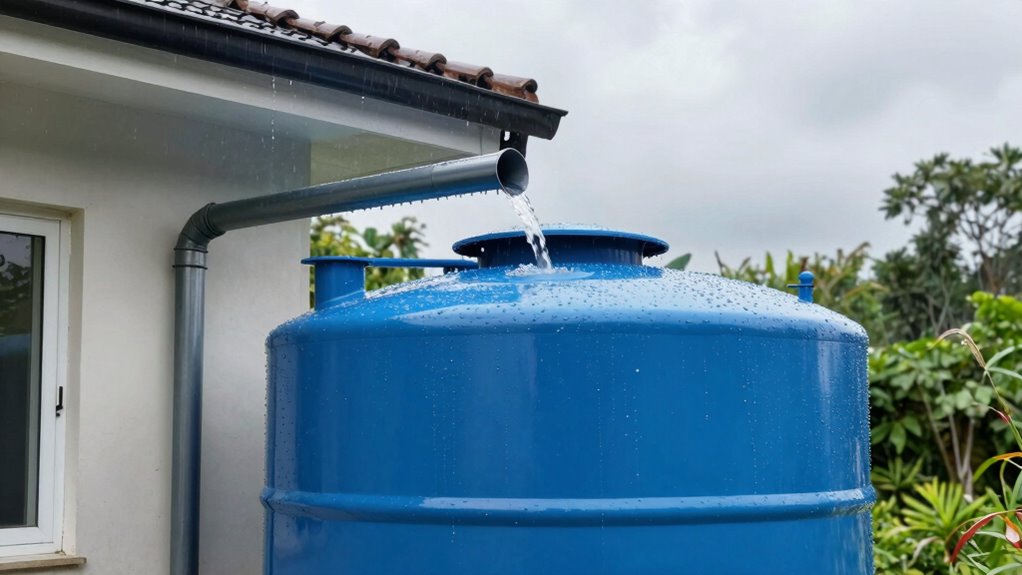
Setting up your rainwater storage tank is a straightforward process that guarantees you have a reliable supply of collected rainwater. First, choose a sturdy, properly positioned tank that’s easy to access for cleaning and maintenance. Make sure your tank has a lid to prevent debris and pests. To keep your water clean, incorporate effective rainwater filtering at the inlet, removing leaves and large particles before they enter the tank. Regular tank maintenance is essential; inspect for cracks, clean out sediment, and check for algae growth to ensure water quality. Proper setup minimizes contamination and prolongs the lifespan of your system. Additionally, rainwater filtration techniques can enhance water quality and reduce maintenance needs. Using the right tank materials can also prevent chemical leaching and extend system durability. Selecting appropriate materials for your tank can help prevent corrosion and ensure long-term performance. With these simple steps, you’ll have a reliable rainwater harvesting setup that’s easy to maintain and ready to serve your needs.
Connecting Gutters and Downspouts to Your Rainwater System
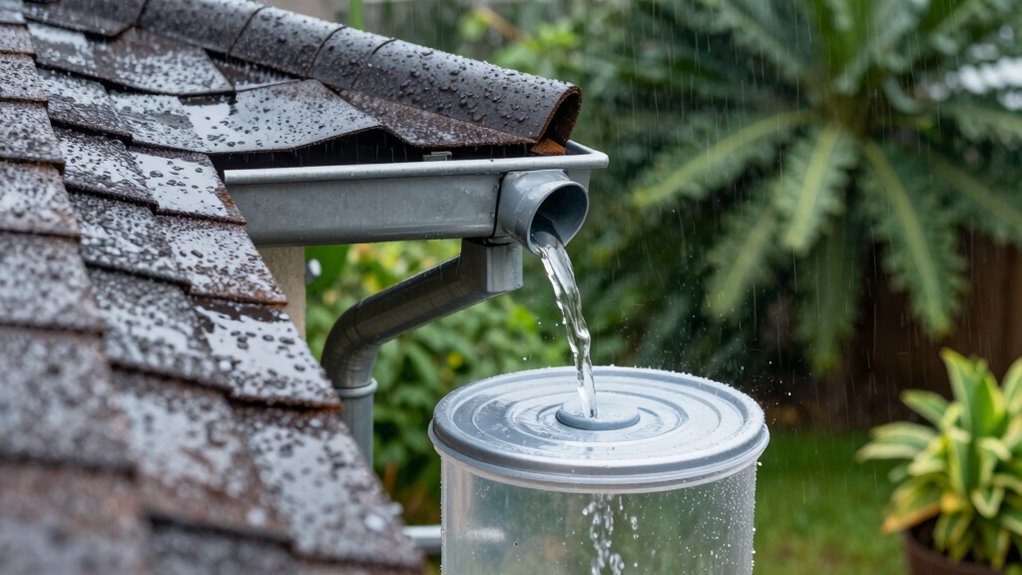
Connecting your gutters and downspouts to your rainwater system is a vital step in ensuring efficient water collection. Proper gutter maintenance keeps debris out, preventing clogs that can reduce flow. When installing, pay attention to downspout design—aim for a smooth path that directs water away from your foundation. Use durable materials that resist rust and damage. Secure gutters firmly to your roofline, ensuring they slope slightly toward the downspouts for maximum drainage. Attach downspouts to gutters securely, and consider adding splash blocks or extensions to direct water away from your home’s foundation. Regular inspection and cleaning of gutters and downspouts will keep your system functioning efficiently, preventing overflow or water damage. Proper connection and maintenance are key to reliable rainwater harvesting.
How to Keep Your Rainwater Harvesting System Clean and Working Well

Keeping your rainwater harvesting system clean and well-maintained is essential for ensuring it functions efficiently and lasts longer. Regular filter maintenance is key; check and clean your filters frequently to prevent clogs and keep water flowing smoothly. Remove debris like leaves, twigs, and dirt from gutters and screens, especially after storms or heavy rain. Clear out any blockages in the downspouts to avoid overflow or standing water that can breed mosquitoes. Inspect your system periodically for signs of damage or buildup, and clean out any sediment that accumulates in the storage tank. Staying on top of debris removal and filter upkeep helps prevent contamination, maintains water quality, and extends the life of your rainwater harvesting system.
Is Rainwater Harvesting Safe and Legal for Your Home?
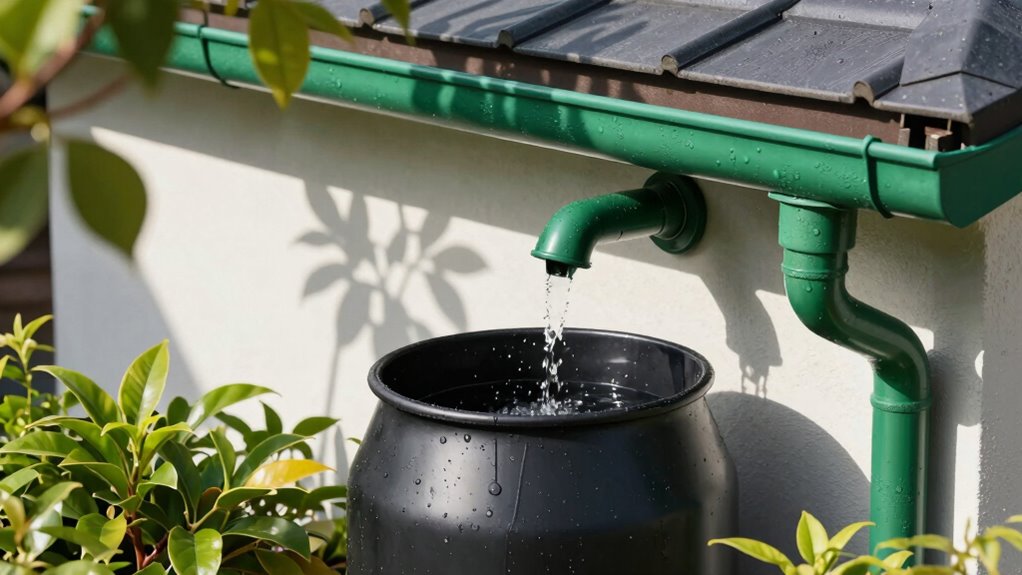
Rainwater harvesting can be a safe and sustainable way to supplement your home’s water supply, but it’s important to understand the legal requirements and safety considerations in your area before starting. Local rainwater regulations vary, so check with your municipality to ensure compliance. Safety concerns include contamination risks, proper storage, and filtration systems to prevent bacteria or pollutants. To stay compliant and safe, consider these points:
- Research local rainwater regulations to understand permits or restrictions.
- Use appropriate filters and first-flush systems to address safety concerns.
- Regularly maintain your system to prevent contamination and ensure quality.
Frequently Asked Questions
What Maintenance Is Required for a Rainwater Harvesting System?
You need to regularly check your rainwater harvesting system by cleaning the filter to prevent clogs and ensuring it functions properly. Additionally, schedule tank cleaning at least once a year to remove debris, dirt, and algae buildup. Keep an eye on the system after storms for blockages or damage. Proper maintenance helps keep your water clean and your system efficient, extending its lifespan and ensuring safe, reliable water collection.
Can I Use Harvested Rainwater for Drinking and Cooking?
Did you know that over 2 billion people worldwide lack access to safe drinking water? You can use harvested rainwater for drinking and cooking, but only if you guarantee water purification and storage safety. Install proper filters and disinfectants, and keep your storage tanks covered and clean. Regular maintenance prevents contamination, making rainwater a safe, eco-friendly option for your household.
How Much Does a Typical Rainwater Harvesting Setup Cost?
A typical rainwater harvesting setup costs between $500 and $2,500, depending on size and complexity. You should do a cost comparison to find options that fit your budget. Use these figures for budget planning to decide whether to start small with a basic system or invest in a more advanced setup. Remember, investing upfront can save money long-term and reduce reliance on municipal water.
Are There Any Local Regulations or Permits Needed?
Sure, because who doesn’t love jumping through bureaucratic hoops? You’ll need to verify your local regulations and permit requirements before setting up your rainwater harvesting system. Many areas require permits to ensure safety and proper setup, so don’t skip this step. Contact your city or county offices, or visit their websites, to find out what permits you need. Ignoring these rules can lead to fines or forced dismantling.
What Are Common Problems and Troubleshooting Tips?
You might encounter common problems like clogged filters or algae growth, which can be managed with regular filter maintenance. Storage tank issues, such as leaks or sediment buildup, can be fixed by inspecting for cracks and cleaning out debris periodically. Make certain your system’s components are in good condition, and address any blockages or damages promptly. Regular upkeep keeps your rainwater harvesting system running smoothly and efficiently.
Conclusion
By embracing rainwater harvesting, you’re opening a quiet door to sustainability and self-reliance. With simple steps and mindful care, you can nurture a system that thrives beneath your roof, quietly supporting your needs. Remember, small acts often ripple outward, shaping a more resilient future. As you nurture this gentle resource, you’re also fostering a deeper connection to your surroundings—proving that even modest efforts can lead to meaningful change.