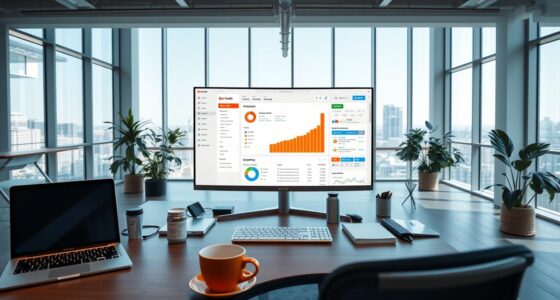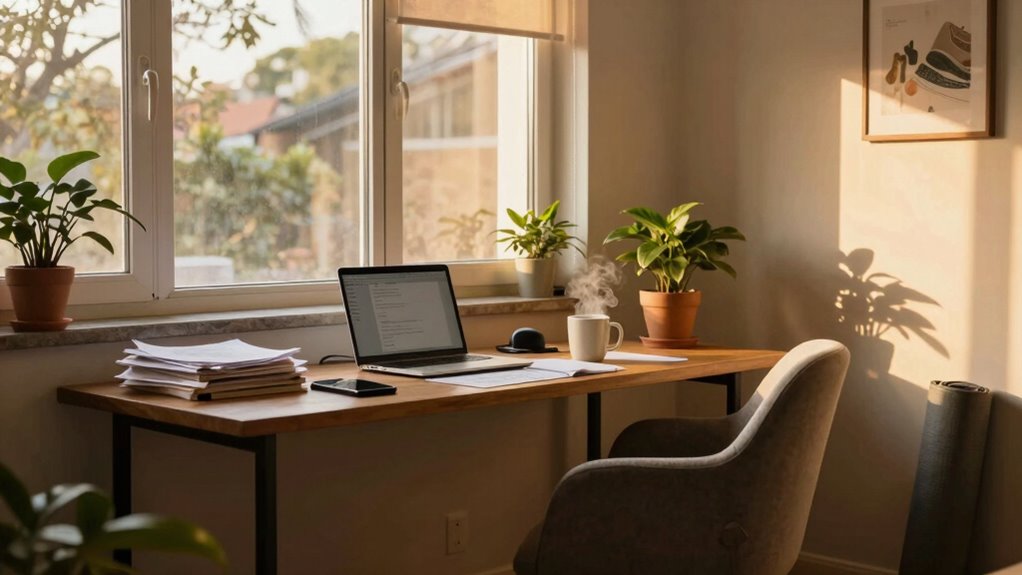
The lines between home, work, and wellness blur because remote work and technology make it easy to switch between different roles and activities constantly. You often find yourself answering emails late, working during personal time, or feeling overwhelmed by juggling multiple tasks. This constant overlap can make it hard to disconnect and relax, impacting your mental health. If you want to learn how to set boundaries and find more balance, keep exploring these strategies.

Get your next haul delivered free with Prime
- Fast, free delivery on millions of items
- Prime Video, Amazon Music and more included
- Member-only deals all year
Key Takeaways
- Remote work often merges personal and professional spaces, leading to overlapping boundaries.
- Flexibility in remote work encourages constant engagement, blurring the lines between work and relaxation.
- The lack of physical separation makes it harder to disconnect, impacting mental health and wellness.
- Without intentional boundary-setting, work tasks can spill into personal time, causing stress.
- Embracing blending with mindful routines helps maintain balance between home, work, and wellness.

Have you ever felt like your home and work lives are blending into one confusing space? If so, you’re not alone. With remote collaboration becoming the norm, boundaries between personal and professional life are blurring more than ever. It’s easy to find yourself answering work emails late into the evening or sneaking in a quick break during a family dinner. This constant overlap can make it feel like your worlds are merging into a single, never-ending cycle. While remote collaboration offers flexibility and convenience, it also blurs the lines that once separated work hours from personal time. As a result, you might find it harder to disconnect, leading to increased stress and mental fatigue.
This blending can take a toll on your mental health if you’re not careful. When work intrudes on your personal space, it becomes harder to relax and recharge. You might stay glued to your devices, checking emails or working on projects long after official hours, which can contribute to burnout. The lack of clear boundaries makes it difficult to switch off, and over time, this constant state of engagement can diminish your overall well-being. You might notice feelings of anxiety creeping in or a sense of being overwhelmed, especially if you’re juggling multiple roles at once. Incorporating digital well-being practices can help you manage screen time more effectively. Recognizing the importance of mental health in this context can motivate you to establish healthier routines. Setting up dedicated areas for work and relaxation can also help create visual cues that signal when it’s time to focus or unwind. Establishing these visual cues is essential in creating a healthy work-life balance within your environment.
To manage this, it’s essential to establish routines that protect your mental health. Creating designated work and relaxation zones within your home can help set clear boundaries. For example, try to keep work-related devices and tasks confined to a specific area or time of day. When work ends, disconnect by turning off notifications or stepping away from your computer. Prioritize regular breaks and make space for activities that promote mental well-being, such as exercise, meditation, or hobbies. These practices reinforce the separation between work and personal life, helping you preserve your mental health amidst the chaos. Developing boundary-setting habits can be a powerful way to prevent burnout and maintain balance.
Ultimately, recognizing that the blending of home, work, and wellness isn’t inherently negative gives you the power to control how these aspects intersect. By actively setting boundaries and prioritizing self-care, you can navigate this new landscape more effectively. Embrace remote collaboration’s benefits while being mindful of its challenges, especially regarding mental health. Remember, maintaining a balance isn’t about perfect separation but about intentional boundaries that support your overall wellness. With a little effort, you can create a harmonious environment where work, home, and personal well-being coexist without overwhelming each other.
Products Worth Considering

Levoit Core 400S-P Smart Air Purifier for Large Rooms

Therabody Theragun Mini 3rd Generation Massage Gun, Black

Therabody Theragun Relief Massage Gun, 3-Speed, Navy
As an affiliate, we earn on qualifying purchases.
Frequently Asked Questions
How Has Technology Accelerated the Blending of Home and Work Life?
Technology has accelerated the blending of home and work life by enabling remote flexibility, so you can work from anywhere. However, this also blurs digital boundaries, making it harder to disconnect. You might find yourself checking emails late at night or taking calls during family time. To maintain balance, it’s essential to set clear digital boundaries and establish routines that separate work from personal life, even when technology keeps them intertwined.
What Are the Psychological Effects of Blurred Boundaries Between Work and Home?
When your personal boundaries blur between work and home, you might feel overwhelmed, anxious, or stressed, impacting your mental health. You may struggle to disconnect, leading to burnout. This constant connectivity can make it hard to find mental clarity or relaxation. Recognizing these effects helps you set healthier limits, prioritize self-care, and protect your mental well-being, ensuring work and personal life coexist without draining your emotional resources.
How Can Employers Support Employees Balancing Work, Home, and Wellness?
You can thrive by offering flexible schedules, helping you adapt your work hours to personal needs, reducing stress. Employers can also provide mental health support, making it easier for you to manage overlapping responsibilities. When work and wellness blend, these measures create a supportive environment, allowing you to maintain balance. By prioritizing your well-being with adaptable policies, your employer helps you stay productive while safeguarding your mental health.
Are There Cultural Differences in How Home, Work, and Wellness Overlap?
Cultural perceptions and lifestyle differences profoundly influence how home, work, and wellness overlap. In some cultures, work-life balance is prioritized, encouraging clear boundaries, while others see them as interconnected parts of daily life. You might find that in certain regions, wellness deeply ties into family and community activities, whereas in others, individual self-care is emphasized. Recognizing these cultural nuances helps you better support diverse perspectives on balancing these aspects.
What Future Trends Might Further Merge Home, Work, and Wellness Spaces?
In the future, you’ll see trends emphasizing holistic living and space integration. Workspaces will seamlessly combine with wellness areas, like meditation zones or fitness corners, inside your home. Technology will support this blend, enabling you to switch effortlessly between productivity and relaxation. As a result, your environment will become a personalized sanctuary that fosters balance, ensuring your home, work, and wellness spaces work together effortlessly for your overall well-being.
Conclusion
As you navigate this blended world, remember that nearly 70% of remote workers report feeling more stressed, highlighting the importance of setting boundaries. Embracing the integration of home, work, and wellness can boost your overall happiness and productivity. By intentionally carving out time for self-care and creating dedicated spaces, you can better manage this new balance. Stay mindful—your well-being depends on it, even as these worlds continue to merge seamlessly around you.