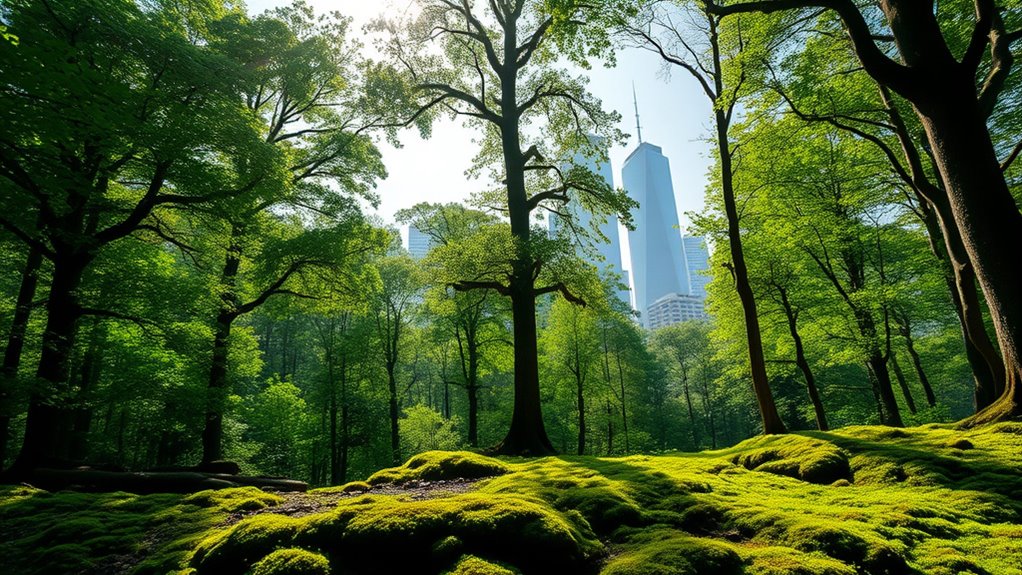

In city air, pollutants like smog and vehicle emissions can weaken your immune system and cause respiratory issues. In contrast, forest air offers cleaner, oxygen-rich environments loaded with beneficial microbes that help train and strengthen your immune responses. Spending time in forests exposes you to natural microbes that boost resilience and reduce allergies, while urban pollution increases inflammation and vulnerability. Want to discover how these environments uniquely impact your health and immunity? Keep exploring to learn more.

Get your next haul delivered free with Prime
- Fast, free delivery on millions of items
- Prime Video, Amazon Music and more included
- Member-only deals all year
Key Takeaways
- Forest air contains diverse natural microbes that enhance immune system development, unlike urban air with limited microbial exposure.
- City pollution exposes residents to harmful pollutants that weaken immune defenses and increase inflammation.
- Regular exposure to forest environments promotes respiratory health and reduces allergy and autoimmune risks.
- Urban air pollution contributes to chronic illnesses, while natural environments support overall immune resilience.
- The environment’s microbial diversity and air quality directly influence immune response and disease resistance.
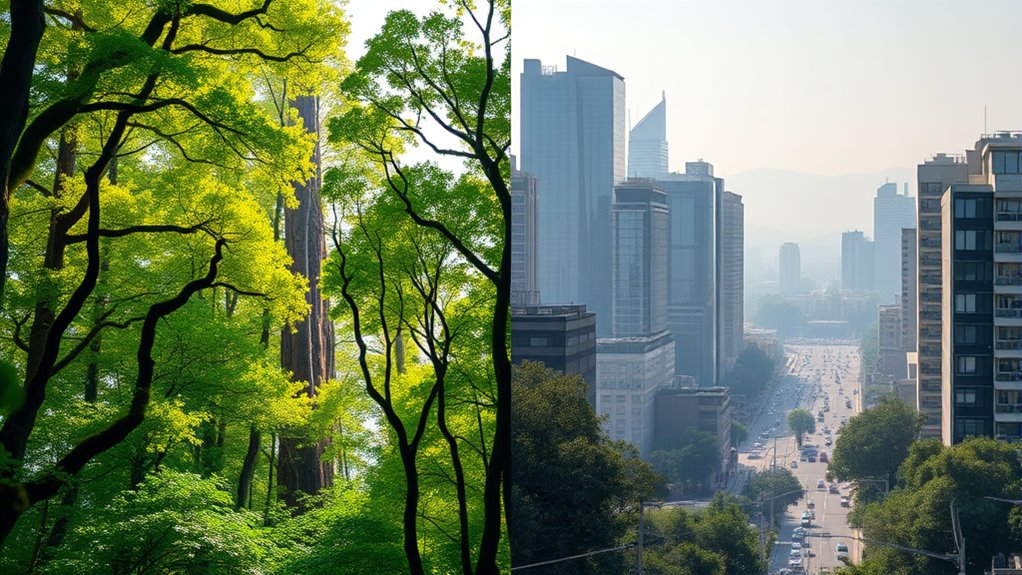
Have you ever wondered how the air you breathe in a forest compares to city air? The difference is striking, especially when it comes to air pollutants and microbial exposure. In cities, the air is often filled with pollutants from vehicles, factories, and other sources. These air pollutants include particulate matter, nitrogen oxides, sulfur dioxide, and ozone, which can harm your lungs and overall health. Breathing in polluted city air can increase your risk of respiratory problems, allergies, and even weaken your immune system over time. On the other hand, forest air tends to be much cleaner, with considerably lower levels of these harmful pollutants. Instead, it’s rich in fresh oxygen and natural aerosols that come from trees, plants, and soil.
One of the key differences impacting your health is microbial exposure. In urban environments, microbial exposure is often limited due to the lack of natural vegetation and higher pollution levels. This reduced exposure can negatively influence your immune system, making it less adaptable to new threats. Conversely, in forests, you’re exposed to a diverse array of microbes naturally present in the environment. These microbes, found in the soil, leaves, and even the air, play a vital role in training your immune system, helping it distinguish between harmful and harmless agents. Regular exposure to these natural microbes can strengthen your immune responses, reducing the likelihood of allergies and autoimmune conditions.
The air pollutants in cities don’t just stay in the air; they can settle into your lungs and enter your bloodstream, causing inflammation and oxidative stress. This persistent exposure weakens your body’s defenses over time, making you more vulnerable to infections and chronic illnesses. In contrast, the cleaner forest air provides a healthier environment for your respiratory system. The abundance of microbial life in forests helps stimulate your immune system naturally, promoting resilience against pathogens. It’s no coincidence that many studies suggest spending time in natural environments can improve immune function and overall well-being.
As an affiliate, we earn on qualifying purchases.
Frequently Asked Questions
How Does Air Pollution Specifically Affect Immune System Function?
Air pollution impacts your immune system through pollutant immunomodulation, where airborne toxins interfere with your body’s natural defenses. When you breathe in polluted air, these toxins can cause inflammation and weaken immune responses, making you more vulnerable to illnesses. Airborne toxins may also disrupt immune cell function, reducing your ability to fight off infections effectively. So, cleaner air helps maintain stronger immunity by minimizing harmful pollutant effects.
Are There Seasonal Differences in Immune Responses Between Forest and City Environments?
You might notice seasonal differences in immune responses, influenced by microbial fluctuations and plant allergens. In forests, seasonal microbial changes and natural plant allergens can boost your immunity, especially in spring and summer. Conversely, city environments often lack these variations, potentially leading to less immune stimulation. So, your immune system adapts throughout the year based on these environmental factors, affecting how you respond to illnesses seasonally.
What Role Do Microbial Exposures in Forests Play in Immune Development?
When it comes to microbial exposures in forests, you’re really touching the tip of the iceberg. Soil microbiota and biodiversity impacts play a vital role in immune development by exposing you to a diverse range of microorganisms. This exposure helps strengthen your immune system, making it more adaptable and resilient. It’s like hitting two birds with one stone — boosting immunity while enjoying the natural environment’s rich microbial landscape.
Can Urban Green Spaces Mitigate the Negative Effects of City Air on Immunity?
Urban greenery can markedly mitigate the negative effects of city air on your immunity. Parks and green spaces reduce pollution levels through pollution mitigation, filtering airborne contaminants and improving air quality. Spending time in these areas exposes you to beneficial microbial diversity, which boosts your immune response. By integrating more urban greenery into your environment, you support healthier immune development and resilience, helping your body better fight off illnesses caused by pollution.
How Do Pollutants in City Air Influence Allergy and Asthma Prevalence?
Imagine city air as a toxic cocktail, where indoor pollutants blend with pollen diversity, turning your breathing into a battlefield. These pollutants aggravate allergies and asthma by inflaming your airways and lowering immunity. You’re caught in a trap where urban emissions and diverse pollen make it harder for your body to fight off irritants. So, yes, city pollution fuels the allergy and asthma epidemic, making every breath a struggle.
As an affiliate, we earn on qualifying purchases.
Conclusion
So, next time you’re stuck amid city smog, remember that breathing in that concrete soup might leave your immune system more fragile than a house of cards in a windstorm. Meanwhile, wandering through lush forests hands you a natural immune booster, like Mother Nature’s own detox. Maybe it’s time to trade that urban air for some leafy, fresh goodness—after all, who knew that breathing in a forest could turn you into a superhero, while city air just turns you into a sniffly zombie?
As an affiliate, we earn on qualifying purchases.
As an affiliate, we earn on qualifying purchases.
Halloween Picks
halloween
As an affiliate, we earn on qualifying purchases.