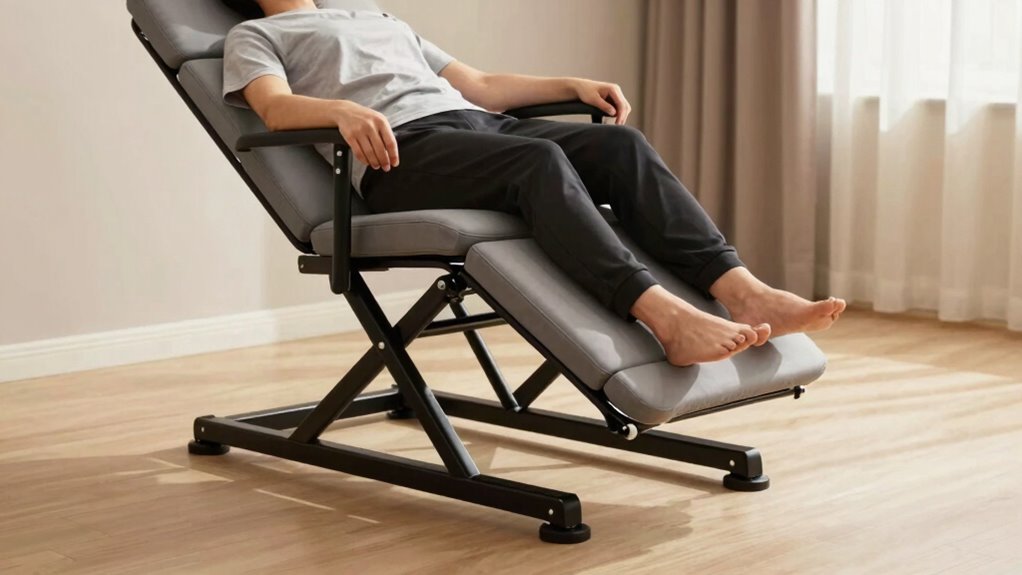

Inversion tables help temporarily decompress your spine by using gravity to stretch it when you hang upside down or at an angle. They can ease back pain, improve circulation, and relax muscles, but they don’t fix underlying issues like herniated discs or straighten your spine. It’s important to use them properly and cautiously, especially if you have health concerns. Want to understand their real benefits and limitations? Keep exploring to get the full picture.

Get your next haul delivered free with Prime
- Fast, free delivery on millions of items
- Prime Video, Amazon Music and more included
- Member-only deals all year
Key Takeaways
- Inversion tables provide temporary spinal decompression and pain relief by using gravity to stretch the spine.
- They do not cure underlying spinal or structural issues or correct chronic misalignments.
- Regular use can improve flexibility and circulation but doesn’t replace professional medical treatment.
- Proper technique and gradual session increases are essential for safe and effective use.
- They are not suitable for everyone, especially those with high blood pressure, glaucoma, or heart conditions.
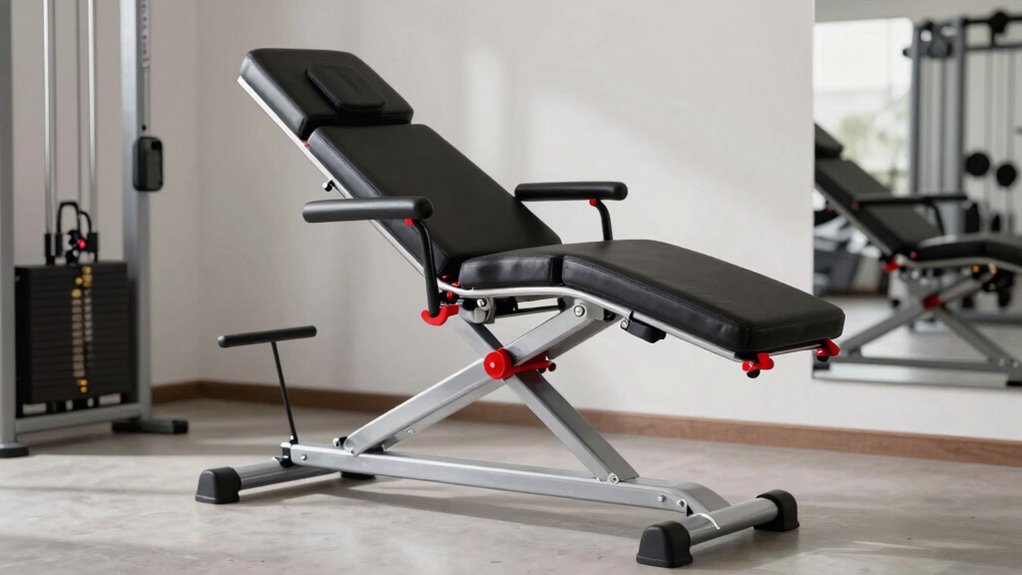
Have you ever wondered if inversion tables can truly relieve back pain or improve your health? The answer isn’t straightforward. Inversion therapy involves hanging upside down or at an angle, which aims to create spinal decompression. When you invert, gravity helps to gently stretch your spine, potentially easing pressure on compressed discs and nerve roots. This process can provide temporary relief from back pain caused by herniated discs, muscle tension, or spinal misalignment. Many users find that regular sessions help reduce discomfort and improve flexibility. However, it’s essential to understand that inversion tables aren’t a cure-all. They may work well for some conditions, but they don’t address the root causes of chronic issues or replace professional medical treatment.
One major benefit of inversion tables is their ability to promote spinal decompression. By reversing the effects of gravity, your spine can stretch slightly, creating more space between vertebrae. This can reduce nerve pinching and alleviate pain in the short term. But don’t expect inversion to permanently straighten your spine or fix structural problems. It’s more about temporary relief and maintaining flexibility when used correctly. Additionally, inversion therapy encourages circulation enhancement. When you invert, blood flow is redistributed throughout your body, especially to areas that might be compressed or lacking proper circulation. This boost in circulation can help reduce inflammation, relax tight muscles, and deliver nutrients to tissues that may otherwise be starved of blood flow. Improved circulation can also promote a sense of well-being and help your body recover from strain or injury. Spinal decompression is a key mechanism behind the potential benefits of inversion therapy, but it’s important to remember that these effects are often temporary. Understanding how gravity impacts our body helps clarify why inversion might be effective in certain cases. Recognizing the limitations of inversion therapy ensures users employ it safely and set realistic expectations.
Furthermore, understanding the importance of proper technique can significantly enhance the safety and effectiveness of inversion therapy, reducing the risk of adverse effects. While inversion tables can be beneficial, they’re not suitable for everyone. People with high blood pressure, glaucoma, heart disease, or certain eye conditions should avoid inversion therapy unless cleared by a healthcare professional. It’s also important to start slowly, using short sessions and gradually increasing duration as your body adapts. Overdoing it can lead to dizziness, headaches, or increased pressure in the head. Incorporating guidance from healthcare providers can help mitigate potential risks associated with unsupervised use. Remember, inversion tables are tools that can complement your health routine, but they shouldn’t replace medical advice or treatment. If you’re dealing with chronic back pain or other health issues, consult a healthcare provider to determine if inversion therapy is appropriate for you. Overall, while inversion tables can aid in spinal decompression and circulation enhancement, understanding their limitations helps you use them safely and effectively.
inversion table for back pain relief
As an affiliate, we earn on qualifying purchases.
As an affiliate, we earn on qualifying purchases.
Frequently Asked Questions
Are Inversion Tables Safe for Pregnant Women?
Inversion tables are not safe for pregnant women due to pregnancy safety concerns and inversion risks. You should avoid using them during pregnancy, as they can put undue pressure on your abdomen and affect blood flow. It’s best to consult your healthcare provider before considering any inversion therapy. For your safety and your baby’s health, stick to approved exercises and seek professional advice tailored to your pregnancy.
How Long Should I Invert During Each Session?
Imagine your spine as a delicate garden, needing gentle tending. You should invert on the table for 1 to 5 minutes per session, allowing your body to experience spinal decompression and muscle relaxation without overdoing it. Longer sessions can cause strain, like overwatering your plants. Listen to your body’s signals, and gradually increase time as you feel comfortable, ensuring your spinal garden thrives safely.
Can Inversion Tables Help With Herniated Discs?
Inversion tables can assist with herniated discs by promoting spinal decompression, which may help relieve pressure on the affected disc. By gently stretching your spine, inversion tables encourage disc retraction and reduce nerve compression. However, they aren’t guaranteed to heal a herniated disc completely. Always consult your doctor before use, especially if you have nerve issues or severe pain, to guarantee safe and effective treatment.
Do Inversion Tables Require Regular Maintenance?
Yes, inversion tables do require regular maintenance to stay safe and functional. You should follow a maintenance checklist that includes inspecting the frame for signs of wear, checking bolts and screws, and ensuring the pivot points move smoothly. Cleaning procedures are essential too; wipe down the padded areas and frame regularly with a damp cloth to prevent dust buildup and maintain hygiene. Proper maintenance keeps your inversion table safe and extends its lifespan.
Are There Any Age Restrictions for Using Inversion Tables?
Age restrictions for using inversion tables vary, but generally, it’s best for adults over 18. Younger individuals should avoid using inversion tables without medical advice. To guarantee safety, follow all safety precautions and proper usage guidelines. If you’re older or have health concerns, consult a healthcare professional first. Always start slowly and listen to your body to prevent strain or injury, especially as age increases.
spinal decompression inversion table
As an affiliate, we earn on qualifying purchases.
As an affiliate, we earn on qualifying purchases.
Conclusion
Inversion tables can be a helpful tool in your wellness arsenal, offering relief and a new perspective on your spine. But remember, they’re not a miracle cure or a one-size-fits-all solution. Think of them as a gentle tide, easing tension rather than crashing waves of instant relief. By understanding what inversion tables do—and don’t—you can navigate your health journey with clearer expectations and a smoother ride toward comfort.
As an affiliate, we earn on qualifying purchases.
best inversion tables for flexibility
As an affiliate, we earn on qualifying purchases.
As an affiliate, we earn on qualifying purchases.
Halloween Picks
halloween
As an affiliate, we earn on qualifying purchases.