
In 2026, you’re likely resetting your lifestyle by reconnecting with yourself and reevaluating routines to find more balance. This often includes practicing mindfulness, such as meditation or breathing exercises, to stay calm amid daily chaos. Many unplug through digital detoxes, turning off devices to focus on outdoor activities or meaningful conversations. These small, intentional changes help improve mental well-being and create lasting habits that support a more centered life. Keep exploring to uncover more about these ongoing lifestyle shifts.

Get your next haul delivered free with Prime
- Fast, free delivery on millions of items
- Prime Video, Amazon Music and more included
- Member-only deals all year
Key Takeaways
- Many are reevaluating routines to reconnect with themselves and reduce modern life chaos.
- Mindfulness practices like meditation and breathing exercises are central to lifestyle resets.
- Digital detoxes, including unplugging from devices, help restore mental clarity and foster meaningful offline activities.
- Establishing boundaries with technology and improving sleep health support overall mental well-being.
- Lifestyle resets are ongoing, emphasizing small, intentional changes to enhance satisfaction and reduce stress.
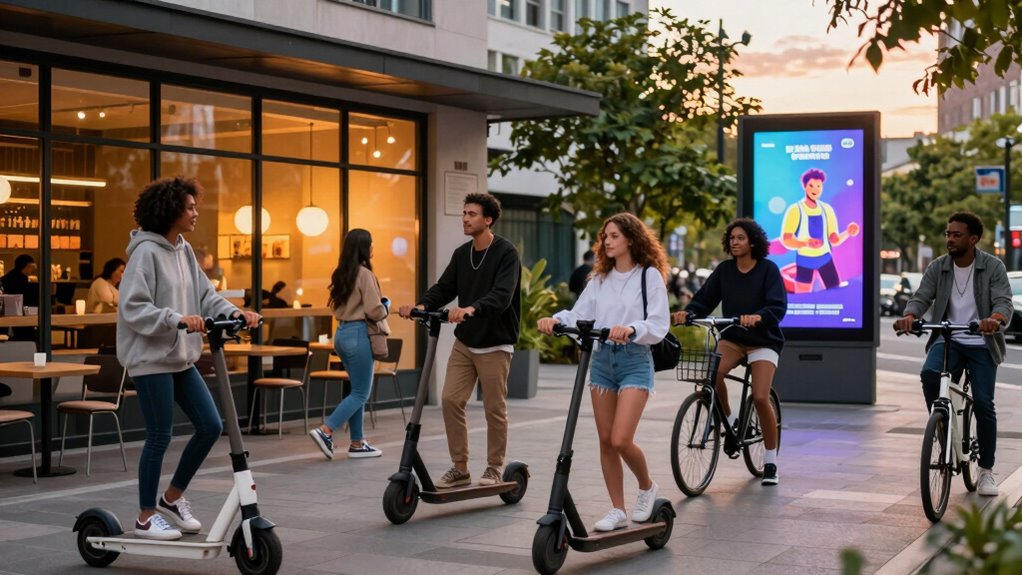
In 2026, many people are repeatedly hitting the reset button on their lifestyles, driven by a desire for change amid shifting societal norms and personal goals. You might find yourself reevaluating your routines, seeking ways to reconnect with yourself and reduce the chaos of modern life. One popular approach is adopting mindfulness practices, which help you stay present and grounded amidst daily distractions. You may start your mornings with breathing exercises or meditation, aiming to cultivate a sense of calm that carries through your day. These practices serve as intentional pauses, allowing you to step back from the constant rush and regain clarity.
Embrace mindfulness to find calm and clarity amid daily distractions and modern chaos.
Alongside mindfulness, digital detoxes have become a cornerstone of lifestyle resets. You could be consciously unplugging from your devices for a set period, whether it’s a few hours or an entire weekend. This means turning off notifications, avoiding social media, and resisting the urge to check your phone constantly. Such breaks give you space to breathe, reflect, and engage in activities that truly matter—like spending time outdoors, reading a book, or having meaningful conversations. The goal isn’t just to disconnect but to reconnect with yourself and the world around you without digital interference. Recognizing the importance of mental well-being encourages many to prioritize these digital and lifestyle boundaries. Implementing these habits can also foster a greater sense of digital mindfulness, helping you become more aware of your technology use and its effects. Developing a mindful approach to technology can help you maintain these boundaries more effectively. Additionally, understanding the significance of sleep health can motivate you to establish routines that support restful nights and overall mental clarity.
These resets often go hand in hand. For instance, after a digital detox, you might notice a heightened sense of mindfulness, making it easier to stay present and appreciate small moments. Alternatively, practicing mindfulness can motivate you to set boundaries with technology, recognizing how constant connectivity can erode your mental well-being. It’s about creating a balance that supports your mental health and overall happiness. Many find that these small but intentional changes make a significant difference in reducing stress and increasing overall satisfaction. This awareness of societal shifts highlights how personal habits are increasingly influenced by broader cultural changes towards health and well-being.
You’re likely to see more people embracing these practices as part of their ongoing lifestyle adjustments. It’s not about perfection but progress—finding what works for you and making it sustainable. Whether it’s starting your day with a few minutes of meditation or setting weekly digital detox periods, these habits help you regain control over your time and attention. As societal norms continue to evolve, so does your awareness of the importance of mental clarity and digital boundaries. In this way, resetting your lifestyle becomes a continuous journey—one that’s centered around mindfulness and intentional living, leading to a more balanced, fulfilled life.
Products Worth Considering

BowFlex Results Series SelectTech Adjustable Dumbbells, Pair

Therabody SleepMask Blackout Eye Mask with Vibration

Oura Ring 5 Smart Ring, Silver, Size 7
As an affiliate, we earn on qualifying purchases.
Frequently Asked Questions
How Do Lifestyle Resets Vary Across Different Age Groups?
You notice that lifestyle resets differ across age groups. Younger people often embrace new fashion trends and social habits quickly, seeking novelty and self-expression. Middle-aged individuals might focus on health, work-life balance, or sustainable living, gradually adopting changes. Older adults tend to prioritize comfort and stability while selectively integrating fashion trends or social habits that suit their routines. Each age group adapts resets based on their priorities and life stages, shaping their unique lifestyle evolution.
What Technological Tools Influence These Lifestyle Changes?
You’re likely influenced by technological tools like virtual reality and wearable devices. Did you know 65% of people report using VR for fitness or social activities? Virtual reality immerses you in new experiences, while wearable devices track your health and habits, encouraging lifestyle resets. These tools make it easier to stay motivated, connected, and health-conscious, shaping your daily routines and inspiring continuous personal growth in 2026.
Are These Resets Sustainable Long-Term?
These resets can be sustainable long-term if you focus on habit formation and social adaptation. Building consistent routines helps solidify new behaviors, making them easier to maintain. Additionally, adapting your social environment to support these changes encourages ongoing commitment. If you stay flexible and intentional, your new lifestyle habits become ingrained, increasing their longevity and making your overall lifestyle reset more resilient over time.
How Do Cultural Differences Impact Lifestyle Resets?
Cultural differences substantially impact lifestyle resets by shaping how you adapt and what social norms you follow. Cultural adaptation helps you integrate new habits, but social conformity can pressure you to stick to traditional practices. You might find certain resets easier or harder depending on your cultural background. Embracing these differences allows you to personalize your lifestyle changes, making them more sustainable and meaningful within your cultural context.
What Mental Health Effects Result From Frequent Resets?
Frequent resets can challenge your mental health by disrupting stability, but they also offer opportunities to strengthen emotional resilience. You might feel stressed or overwhelmed initially, yet practicing mindfulness can help you stay grounded. Over time, these resets can improve your mental well-being by encouraging you to adapt and develop healthier coping strategies. Staying consistent with mindfulness practices allows you to navigate change more smoothly, fostering emotional strength amid constant shifts.
Conclusion
As you stand at the crossroads of 2026, the world around you shifts like the tide, inviting fresh starts and new rhythms. Imagine shedding old routines like faded clothes, stepping into a brighter, more intentional version of yourself. The air feels lighter, filled with possibility, as you carve out space for growth amid the swirling currents of change. Embrace these resets, for they’re the gentle whispers guiding you toward a more vibrant, authentic life.