
Understanding your miter saw’s capacity is key to making accurate cuts safely. The capacity depends on the blade size, with larger blades able to cut wider and thicker materials. It also relates to the saw’s design and safety features, so you avoid overloading or damaging your equipment. Knowing these limits helps you pick the right projects and materials. Keep exploring to learn more about how to use your saw effectively and safely.

Get your next haul delivered free — and shop member deals
- Fast, free delivery on millions of items
- Access to Prime Big Deal Days deals on October 6–7
- Prime Video, Amazon Music and more included
Key Takeaways
- Miter saw capacity determines the maximum width and thickness of materials you can cut safely.
- Blade size (e.g., 8″, 10″, 12″) directly affects the cut capacity and material handling.
- Always check manufacturer guidelines to understand your saw’s specific capacity limits.
- Larger blades enable wider and thicker cuts but may require more power and stability.
- Knowing your saw’s capacity helps plan projects accurately and ensures safe operation.
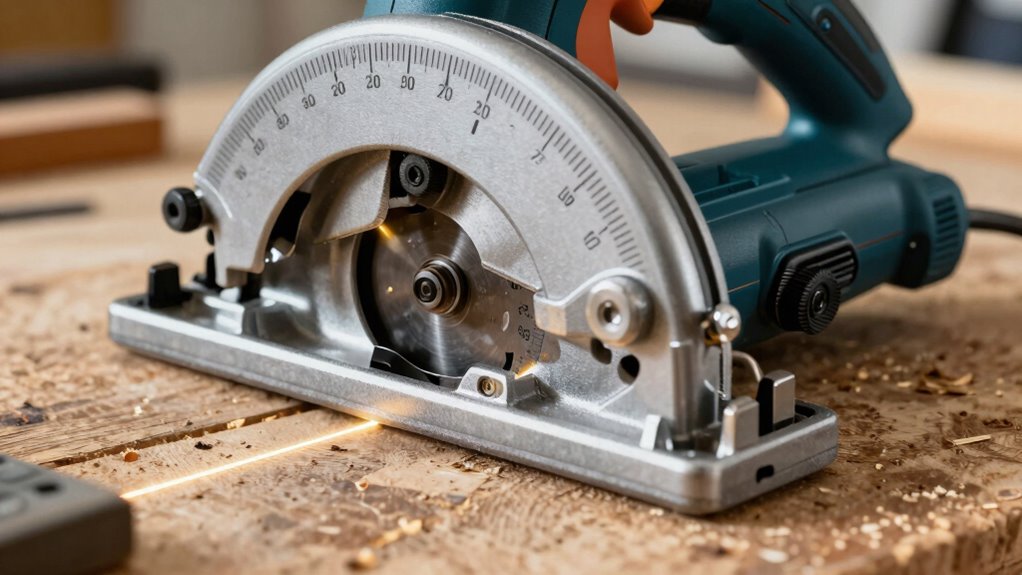
Understanding your miter saw’s capacity is essential for tackling a variety of woodworking projects. When you’re choosing the right saw or planning a cut, knowing the limits of your equipment prevents mistakes and guarantees safety. One key aspect of capacity involves the blade types, as different blades are designed for specific materials and cuts. For example, a crosscut blade is optimized for smooth cuts across wood grain, while a combination blade can handle both crosscuts and rip cuts. The size of the blade, usually measured in diameter, influences the maximum width of material you can cut. Common sizes include 8-inch, 10-inch, and 12-inch blades, each offering different capacities regarding cut width and thickness. Larger blades generally allow you to cut wider and thicker pieces, but they also require more power and can be more cumbersome to handle. Being aware of the blade size and its impact on your project helps ensure you select the appropriate equipment for your specific needs.
In addition to understanding blade types and sizes, it’s vital to be aware of safety precautions when operating your miter saw. The powerful spinning blade presents a serious risk if not handled correctly. Always make sure your workpiece is securely supported and clamped, preventing it from shifting during the cut. When making bevel or miter cuts, double-check that the saw’s angles are locked into position to avoid unexpected movement. Never reach across the blade while it’s spinning, and maintain a safe distance from the blade guard and other moving parts. Wearing appropriate safety gear, like eye protection and hearing protection, adds an extra layer of safety. Keep your hands clear of the blade path and avoid wearing loose clothing or jewelry that could get caught. Before starting any cut, inspect the saw to confirm the blade is sharp and properly installed—dull blades can cause kickback or uneven cuts.
Understanding your saw’s capacity also involves knowing its limits regarding material thickness and width, which vary depending on the blade size and the saw’s design. Always consult your manufacturer’s guidelines to avoid overloading the saw or forcing it through material it’s not designed to handle. By combining knowledge of blade types with diligent safety precautions, you’ll be better prepared to make precise cuts and keep yourself safe. When you respect the capacity and safety features of your miter saw, you’ll improve your woodworking skills and enjoy projects more confidently.
As an affiliate, we earn on qualifying purchases.
Frequently Asked Questions
Can Miter Saws Cut Through Metal or Only Wood?
Miter saws mainly cut wood, but some models are designed for metal cutting. You need to check blade compatibility because metal-cutting requires a special blade, usually with a fine tooth or abrasive surface. If you try to cut metal with a standard wood blade, you’ll damage the saw and get poor results. Always make certain your saw is rated for metal and use the appropriate blade for safe, efficient cuts.
How Do I Measure Miter Saw Capacity Accurately?
To measure your miter saw capacity accurately, start by checking the blade alignment to guarantee it’s straight and precise. Then, measure the maximum width and height of the material you can cut, using a ruler or caliper. Keep dust collection in mind, as buildup can affect measurement accuracy. Regularly clean your saw to maintain reliable measurements, and always double-check your measurements before cutting.
Does Blade Size Affect Cut Capacity?
Surprisingly, larger blades don’t magically increase your cut capacity; they just make your saw look more intimidating. Blade size does affect cut capacity, but only when the blade is compatible with your saw. Bigger blades can handle thicker or wider materials, but only if your saw’s design permits it. For precise cuts, choose blades suited to your project, prioritizing blade compatibility over sheer size—size alone doesn’t guarantee better cutting precision.
Are There Miter Saws With Adjustable Capacity?
Yes, many miter saws come with adjustable features that let you modify their capacity limits. These saws often include adjustable fences, bevel angles, and sliding rails, enabling you to cut larger or more precise pieces. By adjusting these features, you can extend or limit the saw’s capacity based on your project needs. This flexibility makes it easier to handle different materials without needing multiple saws.
How Does Blade Type Influence Cutting Capacity?
Blade type directly influences your cutting capacity because different blade materials and designs affect cutting precision and the thickness you can handle. For instance, carbide-tipped blades cut through tougher materials more efficiently, increasing your capacity, while steel blades are better for softer woods. Choosing the right blade guarantees you can make precise cuts without overloading the saw, extending its lifespan and improving your overall project quality.
As an affiliate, we earn on qualifying purchases.
Conclusion
Understanding your miter saw’s capacity might seem limiting at first, but it’s really about working smarter, not harder. With a clear grasp of what your saw can handle, you’ll avoid frustration and incomplete projects. Remember, knowing your tools empowers you to choose the right one for each job, saving time and effort. Don’t let perceived limitations hold you back—embrace your saw’s capacity, and you’ll find creative ways to accomplish your woodworking goals.
As an affiliate, we earn on qualifying purchases.
best miter saw for thick materials
As an affiliate, we earn on qualifying purchases.
As an affiliate, we earn on qualifying purchases.
Fall Picks
fall essentials
As an affiliate, we earn on qualifying purchases.