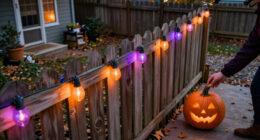
Many homeowners place outdoor cameras in shaded or poorly lit areas, which hurts nighttime visibility and makes it hard to recognize faces or details after dark. You might also overlook the importance of outdoor lighting, leaving gaps in security. Poor placement can create blind spots or be easy to tamper with. Correct electrical setup and strategic planning can prevent these issues. Keep going to discover how to avoid these common mistakes and improve your security system.

Get your next haul delivered free with Prime
- Fast, free delivery on millions of items
- Prime Video, Amazon Music and more included
- Member-only deals all year
Key Takeaways
- Placing cameras in shaded or poorly lit areas reduces nighttime visibility, compromising security footage quality.
- Neglecting outdoor lighting can create security gaps, making cameras less effective at night.
- Failing to consider environmental factors and blind spots leads to incomplete coverage and security vulnerabilities.
- Improper electrical wiring or unsafe installation practices can damage equipment and pose safety hazards.
- Overlooking strategic placement to prevent tampering or damage decreases overall system effectiveness.

When it comes to securing your home with outdoor cameras, many homeowners unknowingly make placement mistakes that can compromise their effectiveness. One common error is positioning cameras where they can’t provide good nighttime visibility. If you place your cameras in shaded or poorly lit areas, you’ll struggle to recognize faces or details after dark. Proper placement should prioritize well-lit zones or utilize cameras with infrared or low-light capabilities. Without adequate illumination, your footage becomes useless when you need it most, especially during late hours when intruders are most active. Additionally, some homeowners forget to consider outdoor lighting as part of their security plan, which can significantly impact camera performance at night. Ensuring that your outdoor lighting is strategically placed can enhance the effectiveness of your cameras and eliminate security gaps that intruders might exploit. Paying attention to chemical safety and proper electrical installation can also prevent accidental damage or tampering with your security setup. Proper planning and understanding of camera placement strategies can greatly improve your home security system’s overall performance.
Products Worth Considering

Hyperice Normatec Elite Wireless Compression Boots Recovery – Standard Size

Levoit Core 600S-P Smart Air Purifier for Large Rooms

Philips Sonicare DiamondClean 9000 Electric Toothbrush Bundle, HX9912/72
As an affiliate, we earn on qualifying purchases.
Frequently Asked Questions
How Often Should Outdoor Cameras Be Maintained or Cleaned?
You should clean your outdoor camera lenses at least once a month to guarantee clear footage, especially after storms or heavy dust. Regularly check and maintain the batteries, replacing or charging them as needed to prevent downtime. During cleaning, focus on camera lens cleaning to avoid blurry images, and inspect battery health to keep your security system dependable. Routine maintenance keeps your outdoor cameras functioning at their best and provides peace of mind.
Are There Legal Restrictions on Outdoor Camera Surveillance?
You can’t ignore the legal restrictions on outdoor camera surveillance; if you do, it’s like opening a can of worms! Surveillance laws vary by location, and you need to respect neighbors’ privacy rights. You’re typically allowed to monitor your property, but recording public areas or private spaces without consent can land you in hot water. Always check local laws to stay compliant and avoid legal trouble.
What Is the Best Camera Placement for Nighttime Visibility?
To get the best nighttime visibility, position your outdoor camera where it has a clear view of your property’s entrance or vulnerable spots. Adjust the camera angle so it’s slightly downward, reducing glare and optimizing infrared illumination. Make sure the camera is mounted high enough to prevent tampering but low enough for a wide view. Regularly check and adjust the camera angle for consistent coverage and clear footage, especially at night.
How Can I Prevent Camera Theft or Vandalism?
Did you know that homes with visible security cameras are 60% less likely to be targeted by thieves? To prevent camera theft or vandalism, use camera deterrents like vandal-proof housings and install cameras high out of reach. Make sure your cameras blend with your surroundings to avoid tempting theft. Regularly check footage and consider adding signage warning of surveillance, which can greatly enhance theft prevention efforts.
Do Outdoor Cameras Require Wi-Fi or Internet Connectivity?
Outdoor cameras typically require Wi-Fi or internet connectivity for remote access and live streaming. If you choose a wireless setup, make certain your camera’s signal range covers the desired area without interruption. You might need to boost your Wi-Fi signal or use range extenders to prevent blind spots. Without internet, your camera can still record locally but won’t allow remote viewing or alerts, so a strong, reliable connection is crucial.
Conclusion
So, next time you’re setting up your outdoor camera, remember that perfect placement isn’t just about avoiding mistakes—it’s about coincidence working in your favor. When you position your camera just right, you might catch that unexpected moment or a familiar face passing by. Sometimes, the best security features happen by chance, but most often, they’re the result of thoughtful placement. Keep these tips in mind, and you might just catch more than you bargained for—safely and successfully.