Media representation profoundly shapes your understanding of diverse cultures and identities. It broadens your perspective and fosters empathy through varied storytelling and authentic characters. When media reflects a wide range of identities, you can relate to others’ experiences, promoting acceptance and understanding. However, limited representation can perpetuate stereotypes and affect self-perception. As the demand for diverse narratives grows, it’s important to reflect on how these changes influence society. There’s more to explore about this transformative movement.
Key Takeaways
- Diverse media representation shapes understanding and fosters empathy by showcasing a variety of cultures, lifestyles, and identities.
- Authentic storytelling from creators of diverse backgrounds adds depth and challenges societal norms, promoting critical thinking on issues like privilege and inequality.
- Increased demand for inclusive characters and narratives reflects societal acknowledgment of representation’s importance in media.
- Limited representation perpetuates harmful stereotypes, affecting self-perception and understanding of underrepresented communities.
- Audience support for diverse content influences media production choices, driving a movement towards more inclusive media environments.
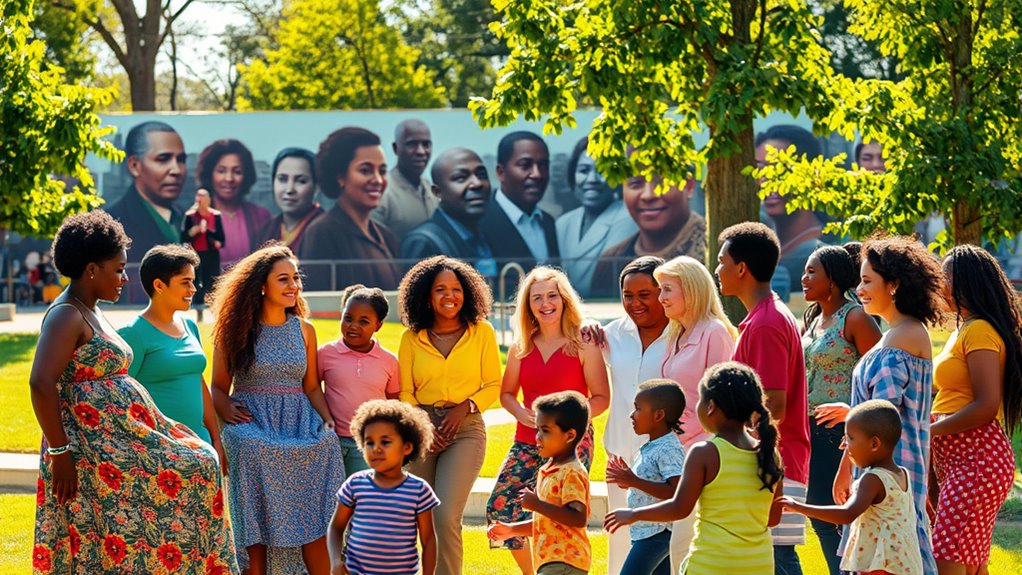
How does representation in media shape our understanding of the world? You might not realize it, but the stories told through films, television shows, and even social media deeply influence how you perceive different cultures, lifestyles, and identities. When you see diverse characters and narratives, it broadens your perspective, allowing you to empathize with experiences different from your own. On the flip side, a lack of representation can reinforce stereotypes and limit your understanding of the complexities within various communities.
Representation in media profoundly shapes our worldview, fostering empathy through diverse narratives while reinforcing stereotypes when absent.
When you consume media that reflects a wide array of identities—be it race, gender, sexuality, or ability—you start to appreciate the richness of human experience. Imagine watching a show where a strong, diverse cast faces challenges that resonate with real-life struggles. You can relate to their journeys, even if their backgrounds differ from yours. This connection fosters understanding and acceptance, making it easier to challenge preconceived notions you might hold.
Conversely, when media often portrays only a narrow slice of society, it perpetuates harmful stereotypes. You may internalize these portrayals, assuming they represent reality. For instance, if you only see one-dimensional characters from a particular background, it can lead to misconceptions about the people in that community. Media that lacks diversity doesn’t just affect how you see others; it can also influence how you view yourself, especially if you belong to an underrepresented group.
Inclusivity in media is not just about ticking boxes; it’s about genuine storytelling. When creators from diverse backgrounds tell their stories, they bring authenticity that enriches the narrative. You’ll find that these stories often challenge societal norms, pushing you to think critically about issues like privilege, inequality, and identity. It’s this kind of engagement that fosters a more informed and compassionate society. Additionally, the horsepower of electric dirt bikes serves as a metaphor for the power that diverse narratives can bring to our understanding of identity and experience.
The push for better representation in media has gained momentum, thanks in part to audiences demanding change. You’ve likely noticed more films and shows featuring diverse characters and storylines. This shift not only enriches your viewing experience but also reflects a growing acknowledgment of the importance of inclusivity.
As you engage with media, remember that your choices matter. Supporting creators and projects that prioritize representation contributes to a more inclusive landscape. By doing so, you’re not just enjoying a show or a film; you’re participating in a movement towards understanding and acceptance. Your voice and choices can help shape a media environment where everyone feels seen and valued.
Frequently Asked Questions
How Can Individuals Advocate for Better Representation in Media?
You can advocate for better representation in media by speaking up. Share your thoughts on social media, join discussions, and support creators who prioritize inclusivity. Attend local events or workshops focused on diverse storytelling, and collaborate with like-minded individuals. Write letters to media companies, urging them to contemplate diverse narratives. By voicing your opinions and supporting inclusive projects, you’ll contribute to a more representative media landscape that reflects everyone’s experiences and stories.
What Role Does Social Media Play in Promoting Inclusivity?
Social media plays a vital role in promoting inclusivity by giving everyone a platform to voice their opinions and share diverse stories. You can amplify marginalized voices, support underrepresented creators, and engage in conversations that challenge stereotypes. By following and sharing content from diverse accounts, you help spread awareness and foster understanding. Your engagement can influence others and encourage brands to embrace more inclusive practices, ultimately shaping a more equitable media landscape.
Are There Successful Examples of Inclusive Media Representation?
When it comes to inclusive media representation, you’ve got plenty of shining examples. Shows like “Pose” and “Master of None” break the mold, featuring diverse casts and authentic storytelling. They showcase real-life experiences, helping viewers connect on a deeper level. Films like “Black Panther” and “Crazy Rich Asians” also prove that inclusion can lead to box office success. These examples show that when everyone’s at the table, the stories become richer and more relatable.
How Can Viewers Support Media That Prioritizes Representation?
You can support media that prioritizes representation by actively choosing to watch and share content from diverse creators. Follow social media accounts that promote inclusive projects and engage with their posts. Attend screenings or events showcasing underrepresented voices, and encourage friends to do the same. Use your voice to advocate for better representation in discussions and online platforms. Your choices matter, and by supporting inclusive media, you help shape a more diverse entertainment landscape.
What Challenges Do Creators Face in Representing Diverse Voices?
Creators face numerous challenges in representing diverse voices. You’ll find that funding can be a major hurdle, as many projects struggle to secure resources for inclusive storytelling. Additionally, creators often encounter pushback from studios or audiences who may resist change. There’s also the pressure to accurately portray cultures and experiences, which can feel intimidating. Balancing authenticity with commercial viability is tough, but those committed to inclusivity keep pushing through these obstacles.
Conclusion
In a world where stories bloom like wildflowers, inclusivity in media is the sunlight that helps them thrive. When you embrace diverse voices, you’re not just watching a screen; you’re witnessing a rich tapestry of human experience. Every character, every story adds a unique thread, weaving a vibrant narrative that reflects us all. So, let’s champion representation, because when everyone gets a seat at the table, the feast of creativity becomes a banquet for the soul.