
When comparing spin bike resistance types, you’ll find magnetic systems offer smooth, quiet, and easily adjustable resistance, ideal for a quiet, smooth ride. Friction resistance is more budget-friendly but tends to be noisier and requires more maintenance due to pad wear. Electromagnetic resistance provides precise, electronically controlled levels for advanced training but at a higher cost. Some bikes combine these systems for versatility. Keep exploring to discover which resistance type matches your workout style and environment perfectly.

Get your next haul delivered free with Prime
- Fast, free delivery on millions of items
- Prime Video, Amazon Music and more included
- Member-only deals all year
Key Takeaways
- Magnetic resistance offers smooth, quiet, and adjustable resistance without contact wear, ideal for a seamless riding experience.
- Friction resistance uses brake pads to generate resistance, is budget-friendly but noisier and requires maintenance.
- Electromagnetic resistance provides precise, electronically controlled resistance levels, perfect for structured training and noise-sensitive environments.
- Combination systems integrate magnetic and friction mechanisms to balance performance, durability, and versatile resistance options.
- Resistance type choice depends on budget, noise sensitivity, maintenance willingness, and desired workout precision.
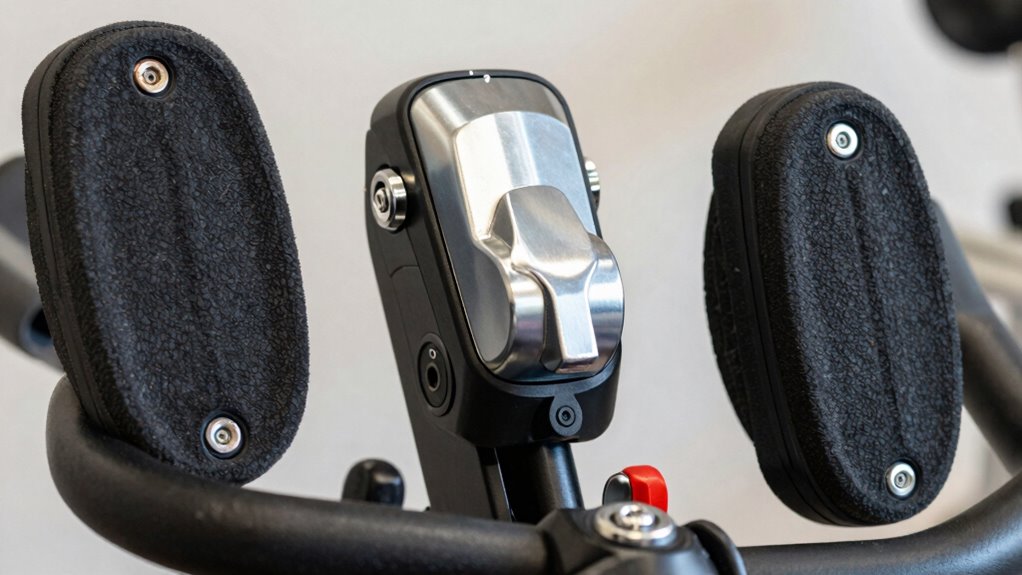
Understanding the different types of resistance on spin bikes is essential for customizing your workout and achieving your fitness goals. When you’re engaged in indoor cycling, the resistance mechanisms play a pivotal role in how challenging your ride feels and how effective your training is. There are several resistance types, each with its own advantages and nuances, so knowing how they work helps you select the right bike and optimize your sessions.
Magnetic resistance is one of the most popular types used in modern spin bikes. It relies on magnets positioned near a metal flywheel. As you turn up the resistance, the magnets move closer to the flywheel, creating a stronger magnetic pull, which increases the effort needed to pedal. This system provides smooth, quiet, and adjustable resistance levels that you can fine-tune with a dial, making it ideal if you want a consistent workout without noise disruptions. Because magnetic resistance doesn’t involve physical contact, it tends to last longer and requires less maintenance. Additionally, smooth operation is one of the key benefits of magnetic resistance systems, enhancing the overall riding experience.
Friction resistance is another common mechanism found in many indoor cycling bikes. It works by pressing a brake pad against the flywheel, creating friction that slows down the wheel as you increase the resistance. You control the pressure with a manual lever, allowing you to simulate hills or sprints easily. While friction resistance is straightforward and often cheaper, it can produce noise and wear down the brake pad over time. You might need to replace the pad periodically, especially if you ride intensely or frequently. The maintenance requirements of friction systems are an important consideration for long-term use. Additionally, wear and tear can impact the longevity of friction components, requiring occasional replacements to keep the bike functioning optimally. To improve durability, some bikes incorporate self-adjusting brake pads, reducing the need for frequent maintenance.
Electromagnetic resistance is a more advanced system, typically found in high-end spin bikes. It uses electromagnetic fields to provide precise, electronically controlled resistance. You can adjust the resistance via a digital display or app, allowing for very specific resistance settings during your indoor cycling sessions. This type offers a seamless shift between levels and is incredibly quiet, making it perfect for interval training or structured workouts that require quick resistance changes. Additionally, electromagnetic systems are often used in commercial gyms for their durability and ease of use. Their highly responsive adjustment capabilities make them popular among serious athletes and fitness enthusiasts.
Some bikes combine resistance types, such as magnetic with a brake pad, to optimize performance and durability. The choice between these resistance mechanisms depends on your budget, preferred workout style, and noise considerations. Magnetic systems are excellent for smooth, quiet rides, while friction is more budget-friendly but noisier and less durable. Electromagnetic resistance provides the highest precision and quiet operation but comes at a higher price point. Understanding these differences helps you pick the right indoor cycling setup, ensuring you get the most out of your workouts and stay motivated on your fitness journey.
magnetic spin bike resistance system
As an affiliate, we earn on qualifying purchases.
As an affiliate, we earn on qualifying purchases.
Frequently Asked Questions
Which Resistance Type Is Best for Beginners?
If you’re a beginner, magnetic resistance is your best choice because it offers smooth, quiet adjustments that promote beginner safety. You can easily control the resistance level without sudden jumps, reducing the risk of injury. Plus, the straightforward resistance adjustment makes it simple for you to find a comfortable workout intensity. This type encourages gradual progression, helping you build confidence and strength safely as you start your spin bike journey.
How Does Resistance Affect Workout Intensity?
Resistance directly influences your workout intensity by making pedaling harder or easier. With variable tension, you can adjust the resistance level to match your fitness goals, increasing intensity as you improve. Magnetic control offers smooth, consistent resistance changes, allowing precise adjustments without abrupt jumps. When you increase resistance, your muscles work harder, boosting calorie burn and strength. Conversely, lowering resistance makes for a lighter, recovery-focused session.
Are There Maintenance Differences Between Resistance Types?
Yes, maintenance differences exist between resistance types. For magnetic resistance, you mainly need to check for smooth operation and occasionally lubricate moving parts. On friction-based bikes, regular lubrication of brake pads and the flywheel is essential to prevent wear. Calibration procedures also vary; magnetic systems often require less frequent calibration, while friction systems might need adjustments to ensure consistent resistance. Regular upkeep keeps your bike functioning smoothly and extends its lifespan.
Can Resistance Types Cause Different Injury Risks?
Different resistance types can influence injury risks, especially relating to muscle strain and joint stress. For example, magnetic resistance offers smooth adjustments, reducing sudden jerks that might cause muscle strain or joint stress. On the other hand, friction resistance can create more abrupt changes, increasing the risk of joint discomfort or muscle fatigue. Always choose a resistance type suited to your fitness level to minimize injury risks and guarantee a safe workout.
Do Resistance Types Impact Bike Durability?
Resistance types do impact your bike’s durability by affecting material wear and resistance consistency. Friction resistance may cause more wear on components over time, leading to potential repairs, while magnetic resistance offers smoother operation with less wear, extending the bike’s lifespan. You’ll find that choosing the right resistance type helps prevent early breakdowns, ensuring your spin bike remains reliable and durable, ride after ride.
friction resistance indoor cycling bike
As an affiliate, we earn on qualifying purchases.
As an affiliate, we earn on qualifying purchases.
Conclusion
Choosing the right resistance type can make all the difference in your spin bike experience. Whether you prefer felt, magnetic, or fan resistance, each offers unique benefits to match your workout style. Did you know that magnetic resistance bikes tend to be quieter and require less maintenance? This makes them a popular choice for home use. Ultimately, understanding these differences helps you find the perfect setup to stay motivated and reach your fitness goals efficiently.
electromagnetic resistance spin bike
As an affiliate, we earn on qualifying purchases.
As an affiliate, we earn on qualifying purchases.
indoor cycling bike with adjustable resistance
As an affiliate, we earn on qualifying purchases.
As an affiliate, we earn on qualifying purchases.
Halloween Picks
halloween
As an affiliate, we earn on qualifying purchases.