
Synthetic media, especially through deepfake technology, is changing how you experience art and journalism. It allows artists to craft realistic visuals and filmmakers to use actors who aren’t available. In journalism, it can recreate past events for better engagement but raises issues about authenticity and misinformation. As consumers, you need to be discerning about what you see. The evolving landscape of synthetic media carries both exciting opportunities and ethical challenges that are worth exploring further.

Get your next haul delivered free — and shop member deals
- Fast, free delivery on millions of items
- Access to Prime Big Deal Days deals on October 6–7
- Prime Video, Amazon Music and more included
Key Takeaways
- Synthetic media, including deepfakes, enables realistic content creation, transforming artistic expression and storytelling in innovative ways.
- Deepfake technology allows filmmakers to feature unavailable actors, challenging traditional norms in art and creativity.
- In journalism, synthetic media enhances storytelling by visualizing historical events, but raises ethical concerns about misinformation.
- Advertising leverages hyper-realistic visuals from synthetic media, which can undermine consumer trust and authenticity in promotional content.
- Responsible creation and consumption of synthetic media are crucial to prevent misuse and ensure ethical standards in its application.
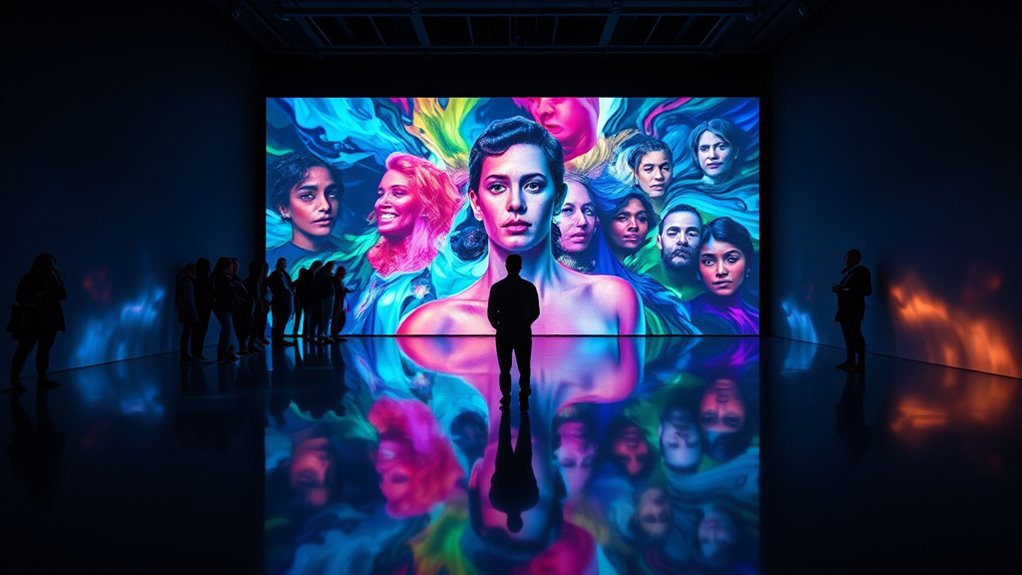
What if you could create lifelike images, videos, or even voices with just a few clicks? Welcome to the world of synthetic media, where advanced technology allows you to manipulate and generate content that blurs the lines between reality and fiction. This exciting field has gained momentum, particularly with deepfakes—videos that convincingly replace one person’s likeness with another’s. You might find it fascinating to explore how this technology is reshaping art, journalism, and even social interactions.
Imagine being able to produce a short film featuring your favorite actor, even though they’re unavailable. With deepfake technology, you can swap faces seamlessly, enabling you to tell stories that were once impossible. Artists are embracing synthetic media as a new form of expression. They’re using it to create stunning visuals that challenge traditional norms. You get to witness art evolving, where the creator’s imagination can take shape in ways that were once unimaginable. However, this raises questions about authenticity and ownership. Are these creations truly art, or are they simply clever manipulations?
The emergence of deepfake technology revolutionizes storytelling, but it challenges our perceptions of art and authenticity.
In journalism, synthetic media presents both opportunities and challenges. You might appreciate how news organizations explore the potential of using AI-generated visuals to enhance storytelling. Imagine a news report that includes a lifelike recreation of an event that happened years ago. This could help audiences grasp the context in a more engaging way. Yet, you can’t ignore the ethical concerns. Misinformation can spread like wildfire when deepfake videos are used to deceive viewers. You need to be cautious about what you consume and share.
As synthetic media continues to evolve, you’ll notice its influence permeating various sectors. Think about how it’s impacting advertising. Companies can now create hyper-realistic testimonials or product demos that capture attention more effectively than traditional methods. While this innovation might enhance marketing efforts, it also compels consumers to question the authenticity of what they see. How can you trust a product when the representation might not reflect reality? Furthermore, the rise of predictive modeling offers insights into how audiences might react to different types of synthetic media.
In this rapidly changing landscape, understanding synthetic media becomes essential. You have the power to embrace its creative potential while remaining vigilant about its implications. As you navigate this intriguing domain, remember that with great power comes great responsibility. Your awareness and discernment will determine how synthetic media shapes the future.
deepfake video creation software
As an affiliate, we earn on qualifying purchases.
As an affiliate, we earn on qualifying purchases.
Frequently Asked Questions
How Can Synthetic Media Impact Personal Privacy Rights?
Synthetic media can profoundly impact your personal privacy rights. When deepfakes or altered content appear, they might misrepresent you or invade your privacy without your consent. You could find your likeness used in ways you never intended, potentially damaging your reputation or causing emotional distress. Furthermore, as technology advances, it becomes harder to distinguish between real and fake, making it essential for you to stay informed and protect your rights.
What Are the Legal Implications of Creating Deepfakes?
Where there’s smoke, there’s fire. Creating deepfakes can lead to serious legal implications, like copyright infringement and defamation. You might face lawsuits if someone claims your deepfake misrepresents them or violates their rights. Additionally, if you’re using someone’s likeness without permission, you could be violating privacy laws. It’s essential to understand these risks before diving into deepfake creation, as the consequences can be costly and damaging to your reputation.
How Can One Identify a Deepfake?
You can identify a deepfake by looking for inconsistencies in facial movements, blinking patterns, and shadows. Pay attention to audio syncing; if it feels off, it might be fake. Check for unnatural skin textures or lighting mismatches. Tools and software are available to help detect deepfakes, so consider using them. In conclusion, verify the source of the video or image; if it seems suspicious, trust your instincts and do further research.
Are There Ethical Guidelines for Using Synthetic Media?
Yes, there are ethical guidelines for using synthetic media. In fact, a study found that 85% of people believe transparency is essential when sharing synthetic content. You should always disclose when you’re using synthetic media, ensuring viewers understand its nature. Be mindful of the potential for misinformation and harm, and consider the impact on individuals involved. By following these guidelines, you contribute to a more responsible and informed media landscape.
What Industries Are Most Affected by Deepfakes?
The industries most affected by deepfakes include entertainment, journalism, and security. In entertainment, you’re seeing altered performances or fake endorsements that can mislead audiences. Journalism faces challenges with misinformation, as deepfakes can create false narratives. Security sectors worry about identity theft and fraudulent activities, affecting personal and organizational safety. As you navigate these industries, awareness of deepfakes’ implications is vital to guarantee credibility and safeguard against potential risks.
As an affiliate, we earn on qualifying purchases.
Conclusion
In a world where synthetic media blurs the lines between reality and fiction, it’s essential to navigate this landscape with caution. Deepfakes can entertain and mislead, while art and journalism both adapt and evolve. As you engage with these forms, ask yourself: how can you discern what’s genuine and what’s fabricated? By staying informed and critical, you can appreciate the creativity of synthetic media without falling prey to its potential pitfalls.
As an affiliate, we earn on qualifying purchases.
synthetic media editing software
As an affiliate, we earn on qualifying purchases.
As an affiliate, we earn on qualifying purchases.
Fall Picks
fall essentials
As an affiliate, we earn on qualifying purchases.