
TL;DR
A recent cultural dialogue facilitated by Xinhua Silk Road promotes mutual learning and exchanges between Liangzhu and Samarkand heritage sites. The event emphasizes collaboration and shared heritage understanding.
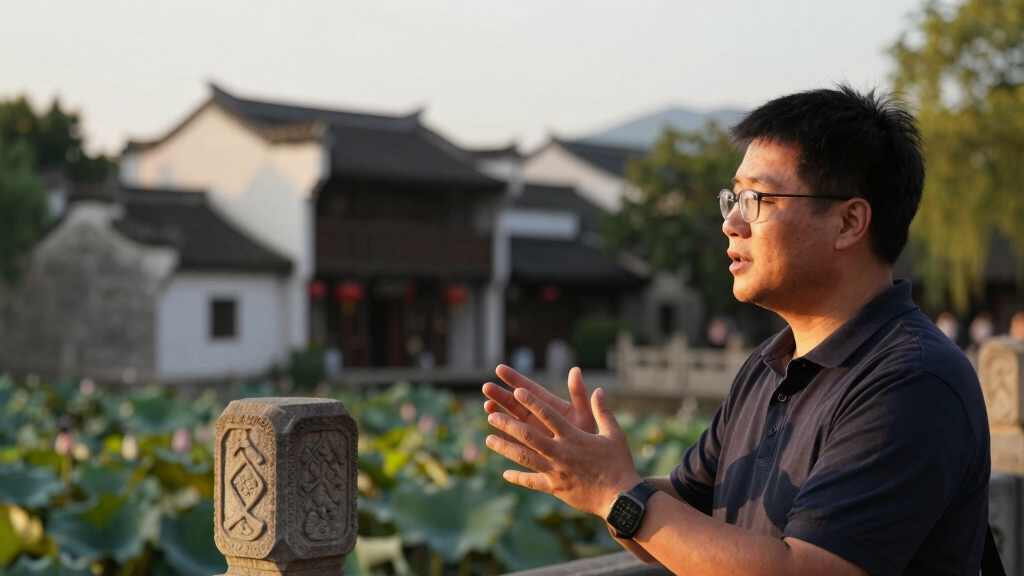
Xinhua Silk Road has hosted a dialogue event aimed at promoting mutual learning and cultural exchanges between the Liangzhu heritage site in China and the Samarkand site in Uzbekistan. The event underscores ongoing efforts to strengthen cultural ties through dialogue and shared heritage initiatives, which are significant for regional cooperation and cultural understanding.

Get your next haul delivered free with Prime
- Fast, free delivery on millions of items
- Prime Video, Amazon Music and more included
- Member-only deals all year
Cultural Dialogue’s Role in Strengthening Regional Ties
This event matters because it enhances cultural diplomacy between China and Uzbekistan, fostering mutual understanding and collaborative heritage preservation. Such exchanges can promote regional stability, tourism, and shared historical appreciation, aligning with broader Belt and Road goals to boost cooperation and connectivity across Eurasia.Products Worth Considering

Garmin Fenix 8 47 mm AMOLED Sapphire Multisport GPS Smartwatch with Titanium Case and Silicone Band

Oral-B iO Series 5 Rechargeable Electric Toothbrush with 5 Cleaning Modes, Travel Case, and 3 Brush Heads – Black

Garmin Fenix 7X Sapphire Solar Multisport GPS Watch
As an affiliate, we earn on qualifying purchases.
Historical and Cultural Significance of Liangzhu and Samarkand
The Liangzhu culture is renowned for its Neolithic jade artifacts and early urban development in China, dating back over 5,000 years. It is recognized as a UNESCO World Heritage site for its archaeological importance. Samarkand, in Uzbekistan, is an ancient Silk Road city famed for its Islamic architecture, historic mosques, and as a hub of cultural exchange for centuries. Both sites symbolize rich cultural legacies that have contributed to regional history and identity. The dialogue builds upon existing efforts to preserve these sites and promote their stories globally, especially under initiatives like the Belt and Road.
“This dialogue is a valuable platform for sharing our archaeological insights and conservation strategies, fostering a deeper appreciation of our shared heritage.”
— Li Wei, Director of Cultural Heritage at Liangzhu Museum
Details of Specific Collaborative Projects Still Unclear
While the dialogue successfully promoted mutual understanding, it is not yet clear which specific joint projects or initiatives will be implemented following the event. Details about future collaborations, funding, or timelines remain to be announced.
Next Steps Include Formalizing Cooperation Agreements
Officials from both sites are expected to formalize cooperation through memoranda of understanding in upcoming meetings. Further, planned joint exhibitions, research exchanges, and heritage conservation projects are anticipated to be announced within the next six months.
Key Questions
What is the main purpose of the cultural dialogue?
The main purpose is to promote mutual learning, share heritage preservation strategies, and strengthen cultural ties between Liangzhu and Samarkand.
Who participated in the event?
Experts, scholars, and cultural officials from both Liangzhu and Samarkand, along with representatives from cultural and archaeological institutions, participated in the dialogue.
Will there be joint projects following this dialogue?
While specific projects have not yet been announced, officials plan to formalize cooperation through agreements and initiate joint initiatives in the coming months.
Why is this cultural exchange significant?
It enhances regional cooperation, promotes cultural understanding, and supports heritage preservation efforts aligned with the Belt and Road Initiative.
Are there any upcoming events related to this dialogue?
Future events include planned exhibitions, research collaborations, and heritage conservation projects, expected to be announced within the next six months.
Source: primary