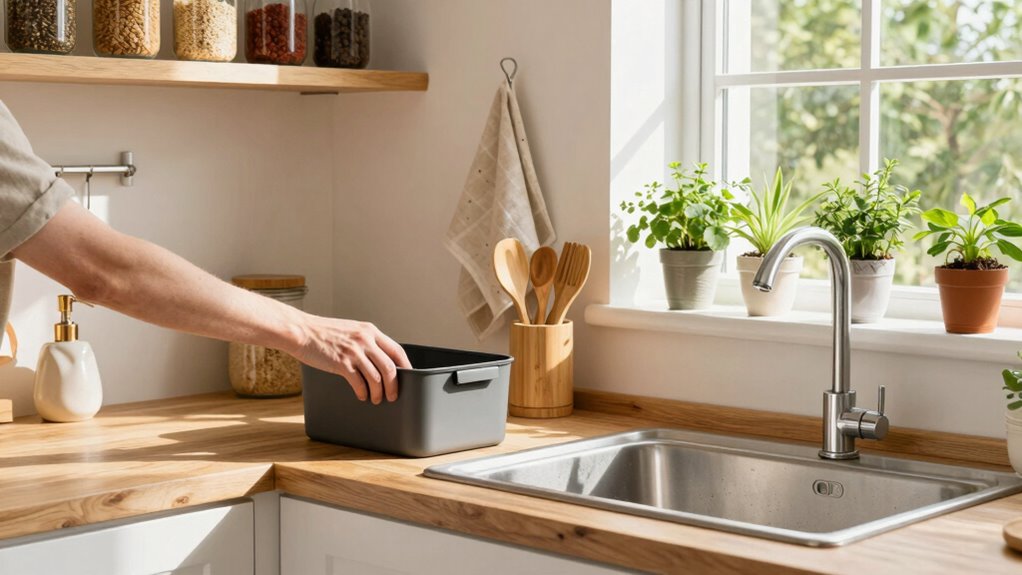

To build a more sustainable kitchen one habit at a time, start by switching to energy-efficient appliances with Energy Star ratings and using reusable bags and cloths to cut waste. Compost kitchen scraps to reduce landfill waste, and fix leaks to conserve water. Incorporate eco-friendly materials and practices gradually, like operating appliances during off-peak hours or choosing local, organic produce. Small continuous changes add up—discover how to make each step work for your space and lifestyle.
Key Takeaways
- Start with energy-efficient appliances to reduce power and water use gradually.
- Incorporate composting to minimize food waste and enrich your garden soil.
- Practice water conservation by fixing leaks and installing low-flow fixtures.
- Use sustainable materials and eco-friendly products for renovations and daily use.
- Develop consistent habits like reusable shopping bags and off-peak appliance use over time.

Have you ever wondered how to create a kitchen that’s both functional and eco-friendly? It’s a smart goal, and the good news is you can start small and build sustainable habits over time. One of the most impactful changes you can make is choosing eco-friendly appliances. Modern options use less energy and water, saving you money and reducing your carbon footprint. Look for appliances with Energy Star ratings—they’re designed specifically to consume less power while maintaining top performance. Swapping out your old refrigerator or dishwasher for these efficient models might seem minor, but it adds up quickly. You’ll notice lower utility bills and a smaller environmental impact, all without sacrificing convenience.
Beyond appliances, your approach to waste management plays a vital role. Composting techniques are a game-changer for reducing food waste and enriching your garden. Instead of tossing scraps into the trash, start composting kitchen waste like vegetable peels, coffee grounds, and eggshells. You don’t need a fancy setup—just a simple bin in a corner of your kitchen or backyard. Regularly turning your compost helps it break down faster, transforming food scraps into nutrient-rich soil. Composting not only cuts down on landfill waste but also decreases methane emissions, a potent greenhouse gas. Biodiversity in your garden can thrive with the use of nutrient-rich compost, supporting local ecosystems and promoting sustainable living. Using Composting techniques effectively is an accessible way to contribute to environmental conservation. Incorporating energy-efficient practices in your kitchen, such as using appliances during off-peak hours, can further reduce your carbon footprint. Additionally, selecting sustainable materials for kitchen renovations ensures long-term eco-friendliness and durability. Making informed choices about eco-friendly products can also enhance your kitchen’s sustainability and reduce harmful chemical exposure. Plus, it provides free, healthy compost to grow your herbs and vegetables, making your kitchen more self-sufficient and sustainable.
Incorporating eco-friendly habits into your daily routine doesn’t require a complete overhaul. For example, using reusable bags for grocery shopping and swapping disposable paper towels for cloth ones reduces waste. When shopping for ingredients, choose local and organic produce to lessen the environmental impact of transportation and pesticides. Water conservation is another essential step—fix leaks promptly and opt for low-flow faucets and dishwashers to save gallons daily.
Building a sustainable kitchen is about making consistent, conscious choices. As you get comfortable with these habits, they become second nature. The key is to focus on small, manageable changes—upgrading appliances, practicing composting techniques, reducing waste, and conserving water. Over time, these actions add up, transforming your kitchen into a greener, more sustainable space. Not only will you enjoy lower utility bills, but you’ll also contribute positively to the environment, making your home a model of eco-conscious living.

Midea 3.1 Cu.ft Mini Fridge with Freezer, Energy Star Certified, for Dorm
- Energy Efficient Compressor: Uses R600A high-efficiency compressor
- Even Air Flow System: Ensures consistent temperature and freshness
- Compact Space-Saving Design: Fits tight spaces in dorms and offices
As an affiliate, we earn on qualifying purchases.
As an affiliate, we earn on qualifying purchases.
Frequently Asked Questions
How Can I Reduce Food Waste in My Kitchen Effectively?
To reduce food waste effectively, start with smart food storage by keeping perishables in proper containers and at the right temperatures. Practice meal planning to buy only what you need, minimizing leftovers. Use your freezer for excess items and leftovers, and get creative with recipes to use up ingredients before they spoil. These habits help you cut waste, save money, and make your kitchen more sustainable.
What Are Eco-Friendly Cleaning Products for the Kitchen?
You can choose eco-friendly cleaning products like biodegradable packaging options and non-toxic disinfectants to make your kitchen greener. Look for brands that prioritize natural ingredients and avoid harsh chemicals. Using biodegradable packaging reduces plastic waste, while non-toxic disinfectants keep your space safe without harmful residues. These choices help you maintain a clean kitchen while supporting environmental sustainability, making your daily routine more eco-conscious and healthier for your family.
How Do I Choose Sustainable Kitchen Appliances?
Did you know that choosing energy-efficient appliances can cut your kitchen’s electricity use by up to 30%? When selecting sustainable kitchen appliances, focus on energy efficiency ratings like ENERGY STAR and prioritize durability to guarantee they last longer. Look for appliances with eco-friendly features that minimize water and energy consumption. By making mindful choices, you’ll reduce your environmental impact and enjoy long-lasting, cost-effective appliances in your sustainable kitchen.
What Are the Best Practices for Composting at Home?
To compost at home, you should start with a compost bin that’s easy to access and maintain. Add organic matter like fruit scraps, vegetable peels, coffee grounds, and eggshells, ensuring a balance of greens and browns. Turn the compost regularly to aerate it, which speeds up decomposition and prevents odors. Keep the bin moist, but not too wet, and avoid adding meat or dairy to maintain a healthy composting process.
How Can I Incorporate More Plant-Based Meals Into My Diet?
You can easily embrace plant-based meals by exploring creative plant-based recipes and swapping out meat with tasty vegetarian substitutions. Imagine turning your plate into a vibrant garden of flavors, where tofu and lentils stand in for burgers and chicken. Start small, adding one meatless dish a week, and watch your taste buds and the planet thank you. Who knew saving the world could be so delicious and simple?

Reusable Food Bags, 12 Pack 100% Silicone Food Storage Bags Stand Up Zip Lock Container, Freezer Microwave Oven Dishwasher Safe, 4 Medium 4 Small 4 Extra Small, Aqua
- Food-Grade Silicone Material: 100% food-grade, BPA-free, non-toxic
- Safe for Multiple Appliances: Microwave, freezer, oven, dishwasher safe
- Includes Various Sizes: 4 medium, 4 small, 4 extra small bags
As an affiliate, we earn on qualifying purchases.
As an affiliate, we earn on qualifying purchases.
Conclusion
By making small, mindful changes, you’re not just creating a greener kitchen—you’re transforming your entire lifestyle. Every eco-friendly habit you adopt is like planting a seed that’ll grow into a forest of sustainability, saving the planet one step at a time. Remember, your actions can ripple outward and inspire others to join this crucial movement. So go ahead—take that first step today. Your kitchen, and the world, will thank you for it!

Epica Kitchen Compost Bin for Kicthen Countertops, 1.3 Galllon – Silver
- Featured in Bon Appetit & Forbes: Recognized by top magazines for quality
- Compact yet spacious design: 7.16" diameter x 11" high
- Controls kitchen odors naturally: Airtight lid with activated charcoal filter
As an affiliate, we earn on qualifying purchases.
As an affiliate, we earn on qualifying purchases.
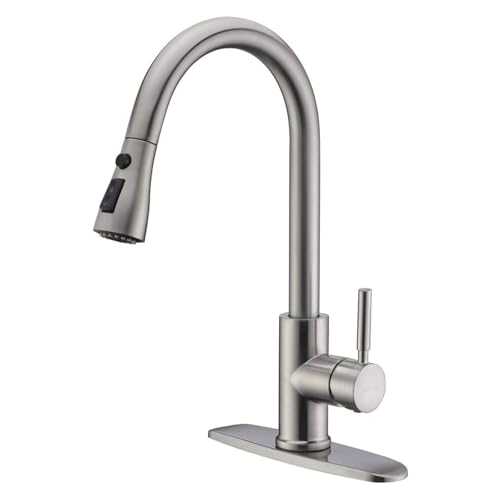
WEWE High-Arc Pull-Down Kitchen Faucet, Brushed Nickel, 3-Mode Sprayer
- Sleek Tulip Design: Modern, simple kitchen faucet style
- 3-Mode Spray Settings: Stream, spray, pause functions
- Flow Rate: 1.8 GPM for efficient water use
As an affiliate, we earn on qualifying purchases.
As an affiliate, we earn on qualifying purchases.