
TL;DR

Get your next haul delivered free — and shop member deals
- Fast, free delivery on millions of items
- Access to Prime Big Deal Days deals on October 6–7
- Prime Video, Amazon Music and more included
Federal Reserve Governor Christopher Waller said AI could help improve cross-border payment screening, cybersecurity and routing, while enabling agents to shop and pay for consumers. He described agentic commerce as early-stage and said autonomous purchases will require stronger trust mechanisms and safeguards.
Federal Reserve Governor Christopher Waller said artificial intelligence could help strengthen cross-border payment security and improve the efficiency of payment operations, while AI agents may eventually make purchases on behalf of consumers. In a speech delivered at Sibos 2026 in Miami, he described agentic commerce as an early-stage development whose wider adoption would depend on building adequate trust mechanisms and safeguards.
Waller pointed to several possible uses of AI in cross-border payments. He said large language models could improve sanctions screening and anti-money-laundering systems by reducing false-positive alerts, allowing investigators to focus on more complex cases and legitimate payments to proceed with less friction. He cited research on false-positive reduction, but the speech did not provide a specific figure.
He also discussed cybersecurity and payment routing. AI could support threat detection, exposure management and the identification of software vulnerabilities, Waller said, while also giving attackers tools to make cyber threats more capable. For cross-border transfers, AI agents could help weigh routing options by cost, speed and reliability, and support decisions involving foreign exchange conversion and liquidity.
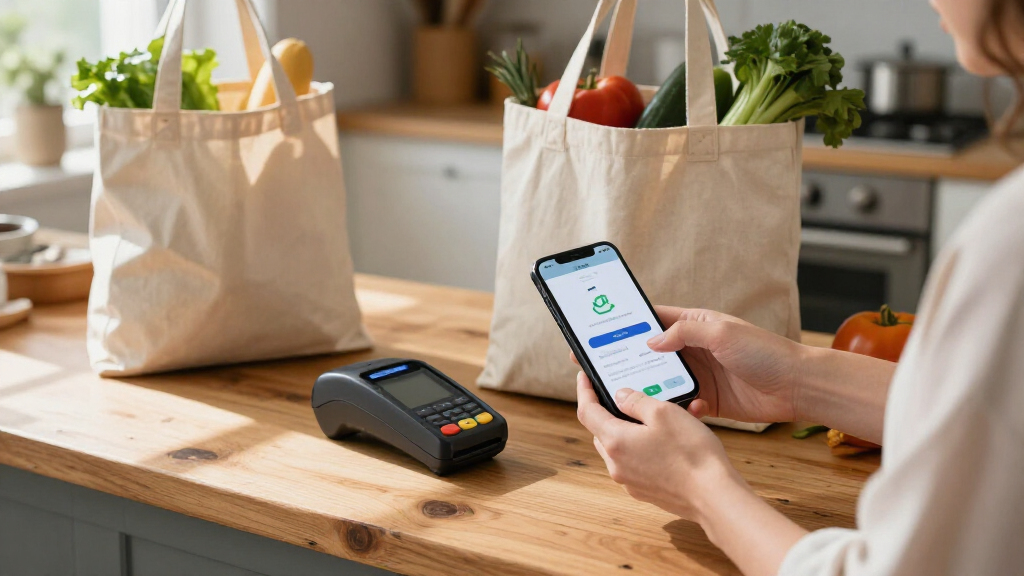
Waller described two forms of agentic commerce. In agent-assisted shopping, an AI helps a customer find products but the person chooses and pays. In agent-delegated shopping, the customer authorizes an agent to purchase within set limits, potentially using a pre-funded virtual card. He said consumer-to-business purchases are expected to be an early use case, with assisted applications preceding more autonomous ones.
Safeguards Will Shape Agent Payments
If AI agents move from recommending products to making payments, the technology could change who initiates a transaction and how consumers authorize it. That creates practical questions for shoppers, merchants and payment providers: what spending limits apply, how an agent proves it has authority, and how a mistaken or unwanted purchase can be addressed.
For cross-border payments, improvements to screening and routing could reduce friction and help operators manage complex transactions. But Waller cautioned that interconnected payment infrastructure faces serious cyber risks. His point was not that AI guarantees safer or cheaper payments, but that its possible benefits must be weighed against the risks of autonomous activity and a broad attack surface.
AI-powered cross-border payment security tools
As an affiliate, we earn on qualifying purchases.
As an affiliate, we earn on qualifying purchases.
From Payment AI to Autonomous Shopping
Waller said payments firms have used machine learning for years, including to combat fraud, and were early adopters of large language models for tasks such as payment reconciliation. He framed AI agents as a newer development: systems that use language models to plan and carry out multiple steps, potentially including transactions.
Earlier in the summer, Waller hosted a Federal Reserve industry roundtable on agentic commerce. Participants broadly regarded it as being in an early phase, he said, while recognizing that scaled adoption could reshape commerce and payments. His Sibos speech extended that discussion to the possible effects on cross-border payment security and operations.
“I expect LLMs to augment, rather than replace, faster, more traditional anomaly detection methods.”
— Christopher Waller, Federal Reserve governor
virtual prepaid cards for autonomous shopping
As an affiliate, we earn on qualifying purchases.
As an affiliate, we earn on qualifying purchases.
Adoption and Consumer Protections
The speech did not specify when agent-delegated shopping might become widely available, how quickly consumers will adopt it, or which technical and legal standards will govern agent authorization and disputed purchases. It also did not identify a single system for setting spending limits, confirming consent or handling liability when an agent acts incorrectly.
Waller discussed potential AI benefits for illicit-finance screening, cybersecurity and payment optimization, but the speech did not provide quantified results for those uses. The size of any efficiency gains, and whether they outweigh implementation and security risks, remains uncertain.
AI fraud detection software for payments
As an affiliate, we earn on qualifying purchases.
As an affiliate, we earn on qualifying purchases.
Building Rules for Delegated Purchases
The next phase will depend on work by payment firms, merchants, AI providers and regulators to develop reliable ways for agents to establish authority, follow consumer-set constraints and protect payment credentials. The speech did not announce a specific Federal Reserve rule or timetable. Waller’s remarks instead set out issues the industry will need to address as agentic commerce develops.
For now, the distinction between an agent that assists with shopping and one that can complete a purchase remains central. Further adoption and the development of trust mechanisms will show whether delegated payments can move beyond early use cases without increasing the risks of unauthorized transactions or cyber disruption.
payment routing optimization tools
As an affiliate, we earn on qualifying purchases.
As an affiliate, we earn on qualifying purchases.
Key Questions
What did Christopher Waller say about AI and payments?
He said AI may improve cross-border payment screening, cybersecurity and routing, and may enable agents to make purchases for consumers. He also stressed the need to address security and trust risks.
What is agentic commerce?
Agentic commerce is the use of AI agents in shopping and payments. An agent may help a person find products, or, with authorization, make purchases within limits set by the consumer.
How are agent-assisted and agent-delegated shopping different?
With agent-assisted shopping, the consumer makes the purchase decision and payment. With agent-delegated shopping, the consumer authorizes an agent to shop and pay on their behalf, potentially subject to spending rules.
Is agentic commerce already widely used?
Waller described it as being in an early phase. He said consumer-to-business purchases could be an initial use case, with assisted applications likely to precede more autonomous ones.
What risks did Waller identify?
He cited the potential for more sophisticated cyberattacks and the risk of unintended purchases by delegated agents. The speech did not set out a complete framework for consumer authorization, liability or disputed transactions.
Source: primary
Fall Picks
fall essentials
As an affiliate, we earn on qualifying purchases.