
TL;DR
Listen free for 30 days with Audible
Thousands of audiobooks and originals — cancel anytime.
Start your free trialAs an affiliate, we earn on qualifying purchases.
Cordless power tools have advanced significantly thanks to better batteries and smarter electronics. Choosing the right platform, understanding battery specs, and considering ergonomics help you get the best performance for your projects.
Imagine a world where your toolbox isn’t tethered to a cord, yet you never have to worry about losing power mid-project. That’s the promise of modern cordless power tools. They’ve evolved from convenient gadgets into the backbone of both DIY projects and professional work.
Today, understanding what makes a good cordless tool can save you money, frustration, and time. It’s not just about wattage or brand loyalty; it’s about the right battery ecosystem, performance features, and ergonomic design. Let’s explore how these tools have transformed and what you need to know before making your next purchase.
Choose a platform with a broad tool lineup and good battery compatibility to save costs and stay flexible.
Understand watt-hours and capacity to accurately compare batteries and plan your runtime needs.
For heavy or frequent use, invest in brushless motors and larger batteries for better efficiency and durability.
Ergonomics matter — pick tools that feel good in your hand to reduce fatigue and improve control.
Calculate total ownership costs, including batteries and accessories, to avoid surprises.
Why Your Battery Platform Matters More Than You Think
The real heart of a cordless system isn’t just the tool — it’s the battery platform. Batteries are often compatible only with tools from the same brand and voltage. If you buy into a platform, you’re investing in a whole ecosystem of tools, batteries, and chargers. For example, a homeowner with a 20V Max system from one brand might find it costly to switch later, since batteries and chargers aren’t interchangeable.
Imagine having three batteries for your impact driver, drill, and circular saw. When they all use the same platform, swapping batteries is quick. You grab a fresh one, and your work continues. But if you switch brands, you might need to buy new batteries or adapters, adding to your expenses. The platform’s compatibility, size, and available tools often determine long-term value more than the tool’s initial price.
Choosing the right platform isn’t just about current needs; it’s about future flexibility. A broad ecosystem means you can expand your collection over time without replacing everything, saving money and reducing clutter. Conversely, limited ecosystems might tempt you with lower upfront costs but can lock you into a single brand or force costly upgrades down the line. So, evaluate not just the tools you need now, but also the potential for future projects and expansions.
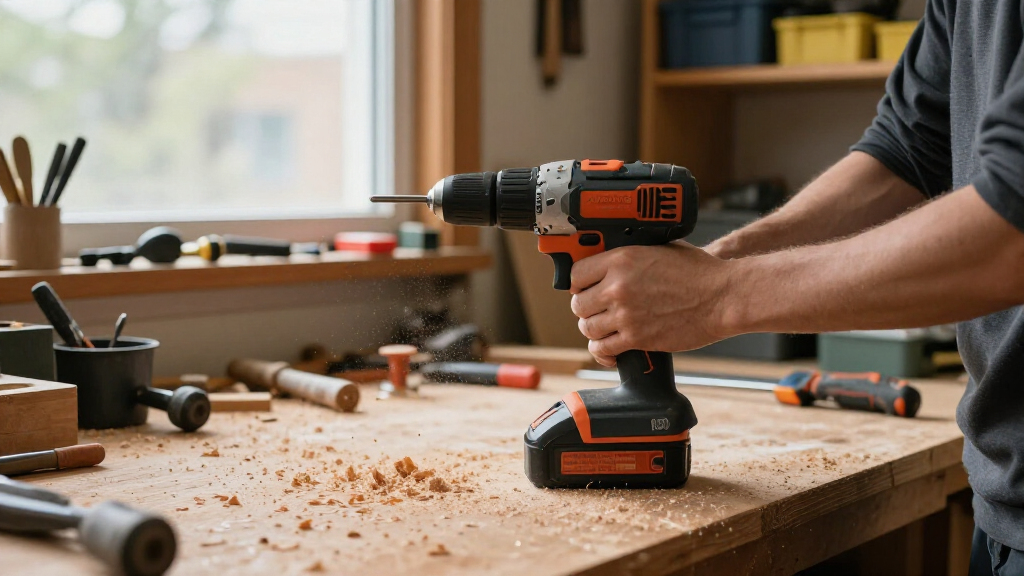
cordless power drill with brushless motor
As an affiliate, we earn on qualifying purchases.
As an affiliate, we earn on qualifying purchases.
How Voltage and Capacity Shape Power and Runtime
When shopping for cordless tools, voltage and capacity are key terms. But what do they really mean? Voltage indicates potential power, affecting how much work the tool can handle, while capacity — measured in amp-hours (Ah) — shows how long a battery can sustain that power before needing a recharge. Understanding this relationship is crucial because it influences your workflow, efficiency, and the size of your toolbox.
For instance, a higher voltage often means a more powerful tool capable of tackling tougher materials or larger projects. But without sufficient capacity, that power is short-lived. A 20V/4Ah battery provides about 80 watt-hours (20V x 4Ah = 80Wh), which offers a more reliable estimate of runtime than voltage alone. This means that two batteries with the same voltage but different capacities can deliver vastly different work durations, directly impacting productivity.
Consider a real-world scenario: Using a cordless chainsaw. A 20V/5Ah pack might last 30 minutes cutting through thick branches, enabling you to complete more work before recharging. Meanwhile, a 20V/2Ah pack might only last 12 minutes, requiring more frequent swaps. Larger capacity batteries, while heavier and more expensive, enable longer continuous operation, which is vital for professional use or large projects. Choosing the right balance depends on your typical workload and mobility needs, but understanding watt-hours helps you compare batteries across brands and platforms more accurately, avoiding misleading specifications and making smarter purchasing decisions.
As an affiliate, we earn on qualifying purchases.
Brushless vs. Brushed: Which Motor Tech Is Worth It?
Brushless motors use electronic controls instead of carbon brushes, making them more efficient, durable, and cooler-running. The absence of brushes reduces friction and wear, resulting in less heat generation and less energy loss during operation. Industry experts highlight that brushless tools can extend runtime by 20-30% and last significantly longer under heavy use, which translates into fewer breakdowns and less downtime. For example, a brushless impact driver can sustain high torque output over extended periods without overheating, making it ideal for demanding tasks.
In contrast, brushed motors are simpler and cheaper to produce, which often reflects in the initial purchase price. They are still suitable for light tasks and occasional use, but they tend to wear out faster and require more maintenance. For DIYers or those just starting out, brushed models may be sufficient, but as your projects become more frequent or intense, the long-term benefits of brushless technology—such as increased efficiency, reduced maintenance, and better battery life—become compelling reasons to choose them. The tradeoff is upfront cost versus ongoing reliability and performance, so consider your workload and future needs when making the choice.
As an affiliate, we earn on qualifying purchases.
Decoding Performance Specs: What Really Matters
Manufacturers love throwing around numbers like torque, RPM, and impacts per minute. But how do these specs translate to real-world performance? For example, a drill claiming 600 in-lb of torque sounds impressive, but how it handles heavy-duty drilling depends on battery health, electronics, and tool design. High torque ratings alone don’t guarantee efficiency if the motor or electronics can’t sustain that power during prolonged use.
For impact drivers, control and clutch settings are just as important as raw torque. A tool with a high impact rate (e.g., 3,200 impacts per minute) can drive fasteners more efficiently, but excessive impacts can cause vibration fatigue and user discomfort. It’s crucial to assess how the tool performs under actual working conditions, not just on paper. Look for features like variable speed triggers, electronic controls, and balanced weight distribution, which influence how well the tool adapts to different tasks and user preferences.
Pro tip: Focus on sustained power and control features, not just peak specs. An impact wrench with a good clutch, smooth operation, and ergonomic design often outperforms more powerful-looking models with poor handling. Ultimately, understanding how these specs impact real-world use helps you select tools that deliver consistent, reliable performance tailored to your specific needs.
high capacity lithium-ion batteries for power tools
As an affiliate, we earn on qualifying purchases.
As an affiliate, we earn on qualifying purchases.
Runtime and Charging: How to Keep Your Work Moving
Battery runtime varies widely based on the tool and task. A cordless drill might run for an hour on a 2Ah pack, while a chainsaw might only last 15 minutes on the same size. But beyond capacity, charging speed and battery health play significant roles. Fast chargers can significantly reduce downtime, but they often generate heat during rapid charging, which can shorten battery lifespan if used excessively or improperly. Therefore, balancing quick turnaround with battery care is essential for maintaining long-term performance.
Many professionals optimize their workflow by keeping multiple batteries charged and swapping them as needed. For example, during a large deck build, having four batteries in rotation ensures continuous work without waiting for recharges. Modern smart chargers further enhance this process by monitoring battery temperature, voltage, and cycle count, preventing overcharging and overheating. This proactive approach extends battery life and ensures consistent performance, especially in demanding or prolonged projects.
Investing in high-quality, multi-battery chargers and keeping spare packs ready isn’t just convenience; it’s a productivity strategy. By doing so, you minimize interruptions, avoid delays, and maintain a steady workflow, which is critical for professional or intensive DIY projects.
Light and Comfortable: The Ergonomics That Make a Difference
A powerful tool isn’t helpful if it’s uncomfortable or unwieldy. Ergonomics include weight, handle design, balance, and trigger feel. For instance, a compact impact driver with a rubberized grip and balanced weight allows for overhead work without fatigue. Proper ergonomics reduce strain, enhance control, and improve safety, especially during extended use.
Imagine drilling into a ceiling for hours. A heavier tool with poor grip can cause wrist fatigue and slow you down, decreasing efficiency and increasing the risk of injury. Conversely, a lightweight model with a slim handle and well-placed controls makes tasks feel effortless and less fatiguing. Ergonomic considerations also include vibration dampening and trigger placement, which can significantly impact comfort and precision during prolonged use.
Pro tip: Test the tools in your hand before buying. Pay attention to how they feel during typical tasks. Comfort and control often trump raw power for real-world usability, and investing in ergonomic design can save you from fatigue and injury over time.
Safety Features That Protect You and Your Investment
Modern cordless tools pack safety features like electronic brakes, overload protection, and soft-start modes. These innovations not only prevent accidents but also extend the lifespan of your tools by protecting internal components from stress or damage. For example, an impact driver with an anti-kickback feature reduces the risk of sudden torque jerks that could cause injury or damage.
However, safety isn’t solely about built-in features; it’s also about proper usage. Always wear appropriate PPE such as eye protection, ear plugs, and dust masks. Even cordless tools can throw debris or cause injuries if mishandled or used improperly. Features like dust ports and guards further improve safety, especially in masonry or woodworking projects. Understanding how to operate your tools correctly and using safety features effectively can prevent accidents and prolong your equipment’s lifespan.
Remember: Safety is a shared responsibility. Proper training, awareness, and PPE are essential complements to any safety features built into your tools. Prioritizing safety ensures your projects are not only successful but also injury-free, protecting your investment and your health.
Total Cost of Ownership: It’s More Than Just the Tool Price
When buying cordless tools, consider the total investment over the lifespan of the equipment. A cheap tool might save you money upfront but can become costly due to frequent battery replacements, repairs, or shorter lifespan. For example, a basic drill kit priced at $100 may seem economical initially, but if batteries need replacing every 2-3 years, those costs add up. Moreover, lower-quality tools may require more maintenance or fail sooner, leading to additional expenses.
Compare kit prices versus purchasing individual tools and batteries, and always check warranty and repair options. Starter kits with extra batteries and chargers often provide the best value, especially if they include features like quick charging and durable construction. Also, factor in accessory costs—drill bits, blades, and other consumables—which can significantly increase your total expenditure over time. Recognizing that initial savings may come with hidden costs helps you make smarter, more sustainable choices.
Thinking long-term is key: investing a bit more in a system with high-quality batteries, reliable support, and good warranties can save money and reduce headaches down the line. The goal is to balance upfront costs with durability and ongoing maintenance, ensuring your investment pays off in the long run.
Frequently Asked Questions
Are cordless tools as powerful as corded models?
Many cordless tools now match or even surpass corded models for intermittent tasks. High-output batteries and advanced motors have closed the gap, especially for impact drivers, drills, and outdoor equipment. However, for continuous-duty applications like extended cutting or grinding, corded still holds an edge.
How do I know if a battery will last long enough for my project?
Check the watt-hour rating (volts x amp-hours). A higher watt-hour pack generally offers longer runtime. For example, a 20V/5Ah battery (100Wh) will last roughly twice as long as a 20V/2.5Ah (50Wh) for the same task. Match your workload to the battery capacity for best results.
Can I mix batteries from different brands?
Generally, no. Batteries are usually proprietary, with different mounting, electronics, and communication protocols. Using third-party adapters can work but may cause safety issues, void warranties, or reduce performance. Stick to your system’s batteries to ensure safety and longevity.
What’s better for a beginner: a kit or buying tools separately?
Kits often provide the best value, including batteries, chargers, and multiple tools. If you already own batteries or want a specific high-end model, buying separately makes sense. Consider your immediate needs and future projects when choosing.
Conclusion
Modern cordless power tools have transformed how we work, blending power, convenience, and smart technology. Your best move is to focus on the platform that fits your needs, and remember: quality batteries and ergonomic design make all the difference.
Next time you’re shopping, picture yourself with a lightweight, balanced tool that feels natural in your hand. That’s when cordless tools become more than just convenient — they become your trusted workmates.
Fall yard work Picks
leaf blowers
As an affiliate, we earn on qualifying purchases.