

TL;DR
Dave Portnoy, founder of Barstool Sports, publicly recounts his journey from startup to media powerhouse. This story explores his confirmed steps, claims, and future plans for the brand.
Dave Portnoy, founder of Barstool Sports, publicly detailed his journey in building the media company during an interview with The Free Press. The account sheds light on his initial challenges, strategic decisions, and the growth of the brand, which has become a major player in sports and pop culture media.
According to Portnoy, the idea for Barstool Sports originated in 2003 as a print publication focused on sports and pop culture humor. He stated that he started the company in his basement with minimal funding and a clear vision to create irreverent, unfiltered content that appealed to a niche audience.
Portnoy confirmed that early on, he personally handled many roles, from content creation to sales and marketing, often reinvesting revenue into the business to fuel growth. He highlighted that his aggressive marketing tactics, including grassroots promotion and social media engagement, were crucial to gaining initial traction.
He also acknowledged that the company faced significant challenges, including legal issues and disputes with advertisers, which he claims he navigated through persistence and adapting to the evolving digital landscape. Portnoy emphasized that the company’s focus on authentic, user-driven content differentiated it from traditional sports media outlets.
In recent years, Portnoy said, the company’s growth accelerated after acquiring a larger digital following and expanding into podcasting and video content, eventually leading to a lucrative sale to Penn National Gaming in 2020. He confirmed that the sale provided capital to expand further but maintained that he retained creative control over the brand.
Why Portnoy’s Account Matters for Media Entrepreneurs
This account offers insight into how a niche sports media brand can grow independently from traditional outlets through grassroots efforts, digital innovation, and authentic branding. It underscores the importance of adaptability and personal branding in building a media empire. For entrepreneurs and media professionals, Portnoy’s story illustrates the potential for unconventional success in the digital age, as well as the challenges of scaling a brand while maintaining authenticity.

Smarter About Sports: My Life Navigating Athletes, Agents, Media, and the Business of the NFL
As an affiliate, we earn on qualifying purchases.
As an affiliate, we earn on qualifying purchases.
Barstool Sports’ Rise in the Digital Media Landscape
Founded in 2003, Barstool Sports initially gained popularity through its print magazine and later transitioned to an online platform. Its growth was driven by provocative content, viral marketing, and a loyal fanbase that appreciated its unfiltered voice. The brand’s expansion into podcasts, video series, and merchandise made it a significant player in sports and entertainment media.
In 2020, Penn National Gaming acquired a majority stake in Barstool Sports for $450 million, valuing the company at over $1 billion. This deal marked a major milestone, transforming the brand from a niche startup into a mainstream media entity while allowing Portnoy to step back from daily operations but remain influential.
Throughout its evolution, Barstool has faced criticism over its content and cultural impact, but it has also been praised for its innovative approach to digital media and direct engagement with a young, predominantly male audience.
“Starting Barstool was about creating content that people wanted to see, no matter how controversial or unpolished it was.”
— Dave Portnoy
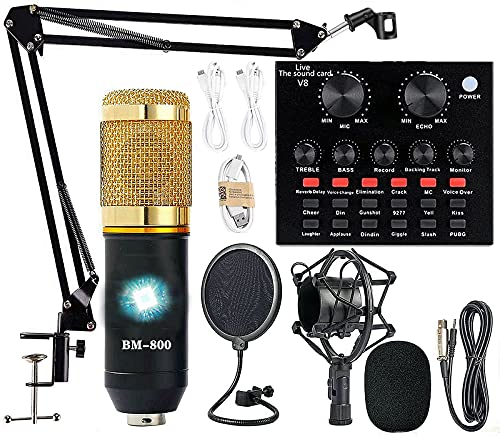
Podcast Equipment Bundle, BM-800 Recording Studio Package with Voice Changer, Live Sound Card – Audio Interface for Laptop Computer Vlog Living Broadcast Live Streaming YouTube TikTok (AM100-V8)
- Complete Podcast Equipment Set: Includes microphone, stand, shock mount, pop filter, foam cap, power cable, sound card
- High-Quality Sound Capture: 2021 professional sound chipset for detailed voice recording
- Suitable for Voice and Music: Cardioid pattern captures front sound for clear vocals
As an affiliate, we earn on qualifying purchases.
As an affiliate, we earn on qualifying purchases.
Unconfirmed Aspects of Portnoy’s Personal Role and Future Plans
While Portnoy has shared his personal journey, details about his specific day-to-day role during the company’s growth phases and his future plans remain unclear. It is not yet confirmed how involved he will be in the company’s strategic decisions moving forward, especially after the sale to Penn National Gaming.

Carol Doak's Foundation Paper, 8.5-x-11-inch
- High-Quality Foundation Paper: 100 sheets of 8.5" x…
- Printer Compatibility: Compatible with inkjet and laser…
- Durable and Stable Material: No shrinking, curling, or brittleness…
As an affiliate, we earn on qualifying purchases.
As an affiliate, we earn on qualifying purchases.
Potential Directions for Barstool Sports Post-Founding
Barstool Sports is expected to continue expanding its digital content and merchandise offerings. There may also be new ventures or partnerships announced, as Portnoy hinted at ongoing projects. The company’s future leadership structure and how it will evolve under Penn National remain to be seen.

The Lean Startup 2.0: Modern Startup Strategies Powered by AI and Digital Marketing
As an affiliate, we earn on qualifying purchases.
As an affiliate, we earn on qualifying purchases.
Key Questions
When did Dave Portnoy start Barstool Sports?
He started the company in 2003 as a print publication and later transitioned it online.
What were the key strategies that led to Barstool’s growth?
Portnoy credits grassroots promotion, viral content, and authentic engagement with audiences as crucial to the brand’s success.
How did the sale to Penn National Gaming impact the company?
The sale in 2020 provided capital for expansion and brought the brand into the mainstream media landscape, while Portnoy retained creative control.
What challenges did Portnoy face during the company’s early years?
He faced legal issues, disputes with advertisers, and the difficulty of building a brand from scratch with limited resources.
What is next for Barstool Sports?
The company is expected to expand its digital content, explore new partnerships, and possibly introduce new ventures under Penn National’s ownership.
Source: google-trends