
TL;DR

Get your next haul delivered free — and shop member deals
- Fast, free delivery on millions of items
- Access to Prime Big Deal Days deals on October 6–7
- Prime Video, Amazon Music and more included
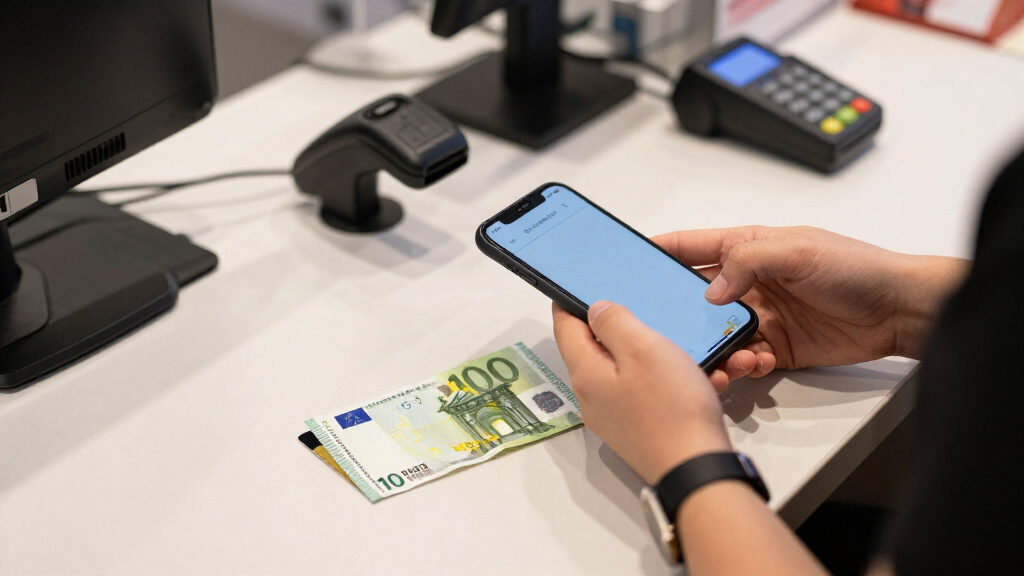
Cash continues to be the most common payment method in the euro area, despite the growth of digital payments. The European Central Bank confirms cash’s dominant role, though the landscape is evolving.
The European Central Bank (ECB) has confirmed that cash remains the most widely accepted payment method in the euro area, despite increasing adoption of digital payment options. This development underscores the continued reliance on physical currency among consumers and businesses, even as digital alternatives expand.
The ECB’s latest report indicates that, as of 2024, cash is still used in the majority of transactions across the euro zone, both for small-value payments and in retail settings. While digital payments such as card transactions and mobile banking are growing rapidly, they have not yet displaced cash as the dominant method of payment, according to the ECB’s data.
Officials from the ECB emphasized that cash remains vital for certain demographics and regions, especially among older consumers and in areas where digital infrastructure is less developed. The report also notes that cash’s acceptance by merchants remains high, with many businesses continuing to prefer cash for its immediacy and reliability.
Why Cash’s Continued Dominance Matters in the Euro Area
This finding is significant because it highlights that, despite technological advances and the push toward digital payments, physical cash still plays a crucial role in the euro area’s financial ecosystem. It affects monetary policy, financial inclusion, and the design of future payment systems. Policymakers and financial institutions must consider cash’s ongoing importance when planning for a cashless society or digital transition.
As an affiliate, we earn on qualifying purchases.
Recent Trends in Payment Methods in the Eurozone
Over the past decade, digital payments have surged globally, driven by innovations in mobile banking, contactless payments, and fintech services. The ECB’s previous reports suggested a gradual decline in cash usage, particularly among younger consumers and in urban areas. However, the latest data indicates that cash remains prevalent, especially for small transactions and in rural regions.
The ECB’s stance has been to ensure that cash remains accessible and secure, even as digital methods expand. The ongoing debate about cash’s role in financial stability and privacy continues to influence policy decisions across the euro area.
“Cash remains a fundamental component of the euro area’s payment landscape, valued for its immediacy and universal acceptance.”
— ECB spokesperson
As an affiliate, we earn on qualifying purchases.
Uncertainties Surrounding Future Payment Preferences
While current data confirms cash’s dominance, it is unclear how this will evolve over the next decade. Factors such as technological innovation, regulatory changes, and shifts in consumer preferences could alter the landscape. It remains to be seen whether digital payments will eventually surpass cash in acceptance and usage across all demographics and regions.
As an affiliate, we earn on qualifying purchases.
Next Steps in Monitoring Payment Method Trends
The ECB plans to continue monitoring payment trends through regular surveys and data collection. Future reports will clarify whether digital payments gain further ground or if cash maintains its role. Policymakers are expected to address issues related to digital infrastructure, financial inclusion, and cash accessibility in upcoming discussions.
cash handling and counting machine
As an affiliate, we earn on qualifying purchases.
As an affiliate, we earn on qualifying purchases.
Key Questions
Why does cash remain the most accepted payment method in the euro area?
Cash remains widely accepted because it is immediate, reliable, and accessible to all, especially in regions with less digital infrastructure or among demographics less comfortable with digital payments.
Is the use of digital payments decreasing or increasing in the euro area?
Digital payments are increasing rapidly, but they have not yet surpassed cash in overall acceptance or usage, according to the ECB’s latest data.
What are the implications of cash’s continued dominance for policymakers?
Policymakers must balance promoting digital innovation with ensuring cash remains accessible and secure, especially for vulnerable populations and in areas with limited digital infrastructure.
Could cash eventually be phased out in the euro area?
While possible in the long term, current trends suggest cash will remain a significant payment method for the foreseeable future, though its share may decline gradually.
How does cash usage vary across different regions within the euro area?
Cash usage tends to be higher in rural areas and among older populations, while urban and younger demographics increasingly favor digital payments.
Source: primary
Fall Picks
fall essentials
As an affiliate, we earn on qualifying purchases.