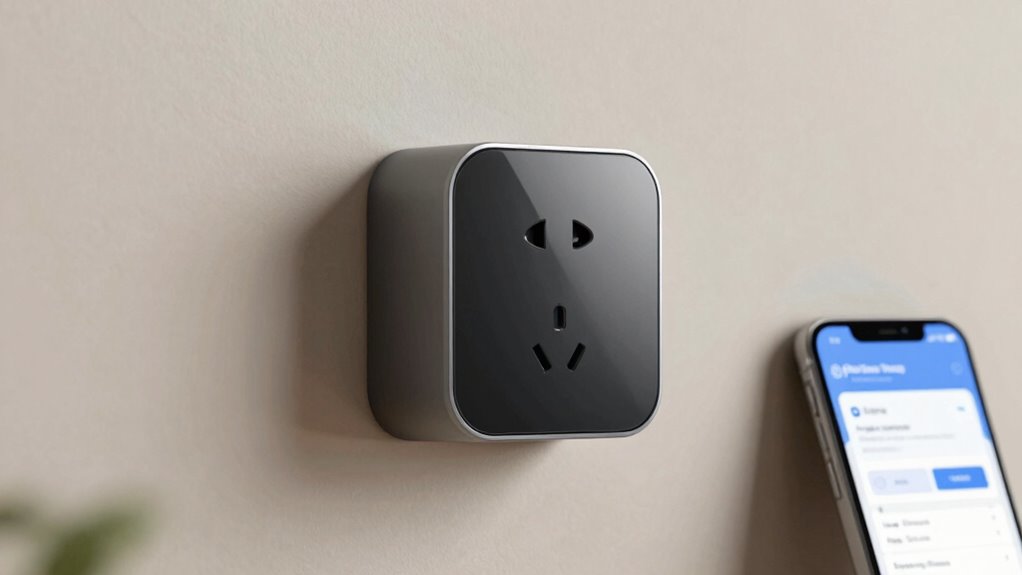

Edge computing quietly shows up in your daily routines by processing data locally in devices like smart security cameras and thermostats, making them faster and more private. It reduces lag during streaming or gaming, giving you smoother interactions. Your devices handle critical tasks on-site, even during network issues, boosting reliability. This way, your personal data stays protected and your devices operate more efficiently. Keep exploring to discover how this tech subtly influences your everyday experiences.

Get your next haul delivered free with Prime
- Fast, free delivery on millions of items
- Prime Video, Amazon Music and more included
- Member-only deals all year
Key Takeaways
- Smart home devices process commands locally, reducing delays and enhancing real-time responsiveness.
- Wearable fitness trackers analyze health data on-device, providing instant feedback without cloud dependence.
- Security cameras detect motion and analyze footage on-site, only transmitting relevant clips to protect privacy.
- Online gaming and streaming services minimize lag by handling data at the edge, ensuring smooth experiences.
- IoT appliances like thermostats adjust settings instantly based on local data, improving efficiency and user control.
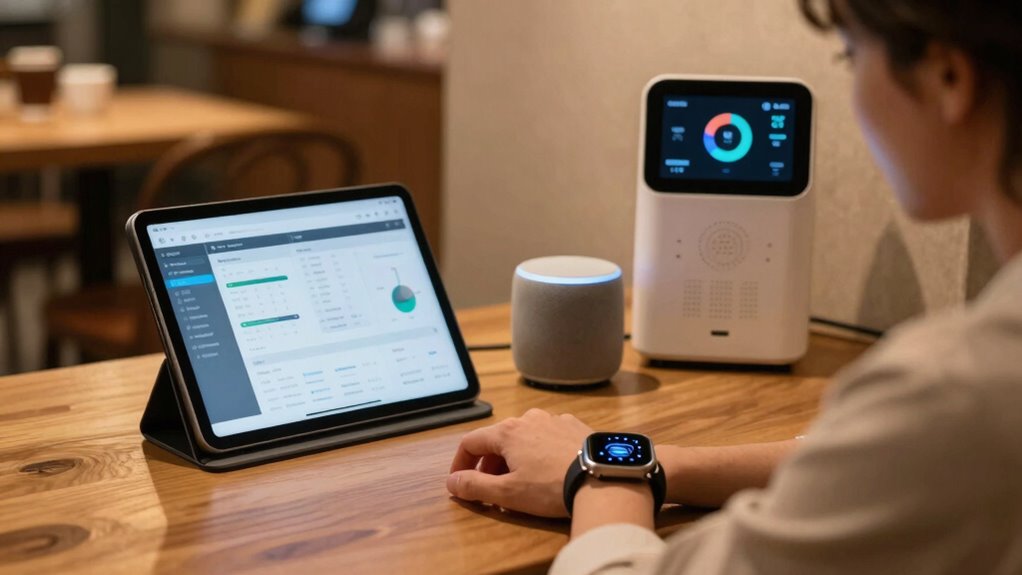
Edge computing is transforming the way you interact with technology every day by bringing data processing closer to where it happens. Instead of relying solely on distant cloud servers, this technology allows devices to handle data locally, making your digital experiences faster and more efficient. When you use a smart home device, for example, it doesn’t need to send every command to a remote data center. Instead, it processes your commands right at the edge, reducing lag and improving responsiveness. This local processing also helps with cloud integration, guaranteeing your devices work seamlessly with cloud services without overwhelming the network or compromising speed.
In your daily routines, this setup enhances privacy by keeping sensitive information closer to its source. Instead of transmitting all your personal data to distant servers, edge computing enables your devices to analyze and act on data locally. This approach boosts data privacy because less information travels over the internet, reducing the risk of breaches or leaks. For instance, in a smart security camera, the footage can be processed on-site to detect motion or recognize faces, only sending relevant clips or alerts to the cloud. This way, your private moments stay protected, and you maintain control over what gets shared.
You also observe edge computing in your mobile devices. When you stream videos or engage in online gaming, your device quickly processes data at the edge, minimizing latency. This local processing ensures smoother playback and real-time interactions without delays caused by distant servers. As a result, your experience feels more natural, whether you’re chatting with friends or navigating an app. The technology’s ability to handle data near its source means fewer interruptions and a more responsive interface, making your digital interactions more seamless. Data processing at the edge is essential for maintaining the efficiency and speed of these applications. Additionally, the distributed nature of edge computing helps improve the resilience of your devices against network failures.
Furthermore, edge computing supports the growth of IoT (Internet of Things) devices in your environment. From wearable fitness trackers to smart appliances, these devices often rely on edge processing to operate efficiently. They analyze data locally to provide instant feedback, like alerting you if your heart rate becomes abnormal or adjusting your thermostat based on your habits. This local data handling not only improves performance but also aligns with your concerns about privacy, as sensitive information stays within your personal network rather than constantly being uploaded to the cloud. Recognizing the importance of local data processing helps you understand how your devices stay quick and reliable even during network disruptions.
In addition, the local data processing capability of edge computing helps reduce the load on networks, ensuring that multiple devices can operate smoothly without congestion.
In essence, edge computing quietly influences many parts of your day, making your devices smarter, faster, and safer. Its synergy with cloud integration ensures you enjoy the benefits of remote data storage and processing while protecting your privacy at the same time. As more smart devices emerge, you’ll likely notice how this technology continues to enhance your digital life without you even realizing it.
smart home security camera with local processing
As an affiliate, we earn on qualifying purchases.
As an affiliate, we earn on qualifying purchases.
Frequently Asked Questions
How Does Edge Computing Improve Data Privacy?
Edge computing improves data privacy by processing data locally, so your sensitive information doesn’t need to travel to distant data centers. This reduces the risk of data breaches and unauthorized access, enhancing data security. By keeping data closer to its source, you gain better control over who accesses it, ensuring your personal information stays private. This way, edge computing helps protect your privacy while maintaining efficient data management.
What Industries Benefit Most From Edge Computing?
Imagine a bustling factory floor or a busy hospital corridor; these industries benefit most from edge computing. You see, in industrial automation, it streamlines operations by processing data locally, reducing delays. In healthcare diagnostics, it offers quick insights, improving patient care. By bringing computing closer to the action, you get faster responses and enhanced efficiency, making these sectors more agile and responsive to real-time needs.
Is Edge Computing More Cost-Effective Than Cloud Computing?
Edge computing is often more cost-effective than cloud computing because it reduces infrastructure costs and improves efficiency. By processing data closer to where it’s generated, you save on bandwidth and cloud service fees. This approach minimizes latency and lowers operational expenses, making it ideal for real-time applications. Overall, edge computing helps you achieve significant cost savings while enhancing performance and reliability in your systems.
How Secure Is Data Processed at the Edge?
Think of edge computing as a fortress guarding your data. It’s quite secure, especially when you implement data encryption, making your information a locked treasure chest. Plus, by adhering to regulatory compliance, you guarantee your data’s safety aligns with legal standards. While no system is invulnerable, edge computing’s localized processing reduces exposure, giving you peace of mind that your data stays protected, even as it moves closer to where it’s needed most.
Can Edge Computing Operate Without Internet Connectivity?
Yes, edge computing can operate without internet connectivity through offline functionality and local processing. When you’re in remote areas or during network outages, devices process data locally, ensuring continuous operation. This setup allows you to perform tasks, analyze data, or control systems without relying on a centralized cloud or internet connection. Offline functionality and local processing make edge computing reliable, fast, and essential for applications requiring immediate response, even when offline.
wearable fitness tracker with on-device health analysis
As an affiliate, we earn on qualifying purchases.
As an affiliate, we earn on qualifying purchases.
Conclusion
So, next time your smart fridge predicts your midnight snack cravings or your smartwatch tracks your health in real-time, remember—edge computing is quietly working behind the scenes. It’s ironic how this tech marvel, once confined to labs, now subtly shapes your daily routine without making a fuss. You might not notice it, but your everyday life is smarter, faster, and a little more connected, all thanks to this silent, everyday hero.
smart thermostat with edge computing capabilities
As an affiliate, we earn on qualifying purchases.
As an affiliate, we earn on qualifying purchases.
As an affiliate, we earn on qualifying purchases.
Columbus Day / Indigenous Peoples' Day Picks
long weekend sales
As an affiliate, we earn on qualifying purchases.