

Inflatable kayaks are great for portability, affordability, and ease of transport, making them ideal for calm lakes, gentle rivers, and casual paddling. However, they struggle with durability in rough conditions, rocky or debris-filled waters, and environments with sharp objects, which can cause punctures or tears. Proper handling and storage boost longevity, but they aren’t suited for intense whitewater or challenging terrain. Keep exploring to discover how to maximize their use and protect your kayak.

Get your next haul delivered free with Prime
- Fast, free delivery on millions of items
- Prime Video, Amazon Music and more included
- Member-only deals all year
Key Takeaways
- Inflatable kayaks are ideal for portability and easy storage but are vulnerable to punctures in rough, rocky, or debris-filled waters.
- They perform well on calm lakes and gentle rivers but struggle in challenging conditions requiring reinforced or hard-shell models.
- Proper handling, storage, and maintenance extend lifespan, though exposure to sunlight and harsh environments can accelerate material degradation.
- Their durability is limited compared to traditional kayaks, necessitating caution in sharp or abrasive environments.
- Reinforced versions exist for tougher conditions, but general inflatable kayaks are best suited for leisure and calm water adventures.
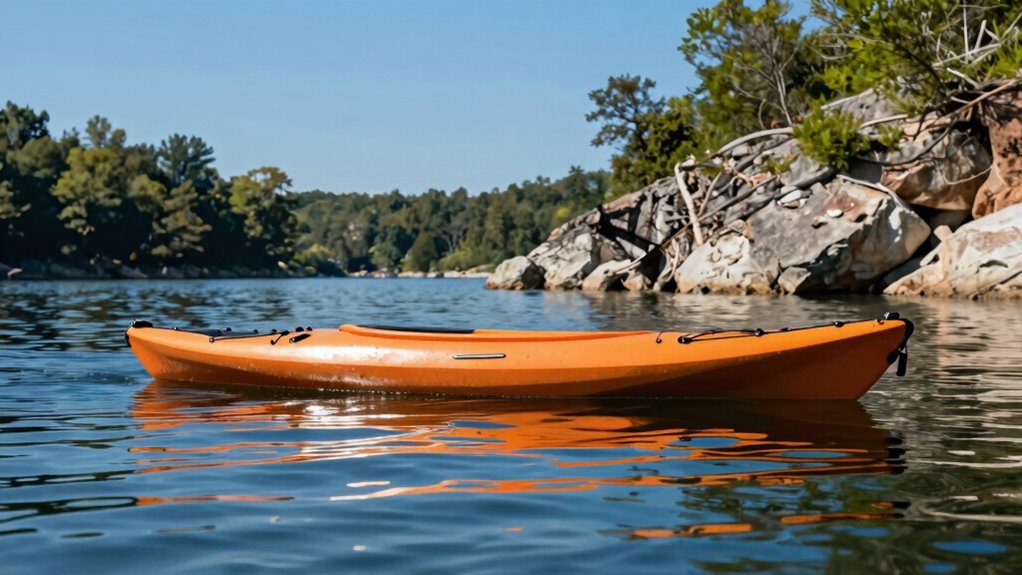
Inflatable kayaks offer a convenient and affordable way to enjoy water adventures, but they also come with certain limitations you should be aware of. One of the main concerns is durability. While modern inflatable kayaks are built with tough materials like PVC or reinforced fabrics, they can still be vulnerable to punctures, tears, or abrasions if you’re careless or encounter rough surfaces. Sharp rocks, branches, or debris in the water can cause damage, potentially deflating your kayak at the worst moment. So, if you plan to paddle in rocky or debris-filled waters, you need to be extra cautious. Regular inspections and proper handling can help mitigate these issues, but it’s crucial to recognize that inflatables are generally less robust than traditional hard-shell kayaks.
Another aspect to think about is storage solutions. Inflatable kayaks are designed to be portable, which is a significant advantage, but their size when deflated still requires proper storage. When not in use, you need a clean, dry space large enough to store the deflated kayak without squishing or damaging it. Over time, improper storage—like leaving it in direct sunlight or in a damp environment—can weaken the material or cause mold and mildew. Many users find that investing in a storage bag or a dedicated rack helps extend the lifespan of their kayak. These solutions make it easier to keep your kayak safe and ready for your next trip, whether in a garage, closet, or outdoor shed. Additionally, understanding material properties and how they respond to environmental conditions can help prolong the lifespan of your inflatable kayak. Being aware of UV resistance and other environmental factors can help you take proactive steps to protect your investment. Proper maintenance practices are also essential for ensuring longevity and maintaining optimal performance over time.
While inflatables excel in portability and ease of transport, they do have limitations that could impact your water adventures. Durability concerns mean you should be cautious about where and how you use them. Avoid rough, rocky, or debris-strewn waters unless your kayak is specially reinforced for such conditions. The environmental conditions in which you store and use your kayak can significantly influence its lifespan and performance. Proper storage solutions are equally important; a well-maintained, stored kayak will last longer and perform better.
In the end, inflatable kayaks shine in situations where convenience, affordability, and portability matter most. However, understanding their vulnerabilities helps you make smarter choices, ensuring you get the most out of your water adventures. By taking care of your kayak—paying attention to durability concerns and choosing the right storage—you can enjoy many memorable trips without worrying about sudden damage or deterioration.
Products Worth Considering

Blueair Blue Pure 511i Max Air Purifier

Bowflex SelectTech 840 Adjustable Kettlebell
Withings Body Smart Wi-Fi and Bluetooth Smart Scale
As an affiliate, we earn on qualifying purchases.
Frequently Asked Questions
Can Inflatable Kayaks Be Used for Whitewater Rafting?
Yes, you can use inflatable kayaks for whitewater rafting, but only if they’re designed for it. Focus on whitewater safety features like reinforced material durability, which helps resist punctures and tears in rough rapids. Make sure your kayak’s construction can handle the strong currents and rocky obstacles. Properly fitting safety gear and experience are essential. When used appropriately, inflatable kayaks can provide an exciting and safe whitewater adventure.
How Long Do Inflatable Kayaks Typically Last?
Your inflatable kayak can last anywhere from 3 to 10 years depending on how well you treat it. Think of it as a delicate dance with material durability guiding your steps; gentle handling extends its life. Storage considerations are your safety net—keep it out of direct sunlight and sharp objects, and it’ll reward you with years of adventure. Proper care turns fleeting moments into lasting memories.
Are Inflatable Kayaks Suitable for Overnight Trips?
Yes, inflatable kayaks are suitable for overnight camping and extended journeys if you choose a durable, high-quality model. They offer portability and ease of setup, making them ideal for multi-day trips on calm waters. Just make certain you pack essential gear, use proper inflation techniques, and select an inflatable kayak designed for extended use. With the right preparations, you can enjoy comfortable overnight adventures on the water.
What Is the Maximum Weight Capacity of Most Inflatable Kayaks?
Most inflatable kayaks have a weight capacity between 250 to 550 pounds, depending on the model. You should consider material durability to guarantee the kayak can handle your gear and weight safely. Additionally, check storage requirements, as some models fold into compact sizes for easy transport. Always verify the specific capacity for your kayak, and don’t exceed it to maintain stability and safety during your trip.
Can Inflatable Kayaks Handle Rough, Rocky Shorelines?
You might think inflatable kayaks are fragile, but their durability can surprise you on rocky shorelines. While they handle gentle waters well, rocky shoreline challenges can test their limits. Sharp rocks and rough terrain may puncture or damage the material if you’re not careful. To navigate safely, choose a high-quality, reinforced inflatable kayak designed for rugged conditions, and paddle with caution around sharp rocks to prevent damage and guarantee a smooth, enjoyable trip.
Conclusion
While inflatable kayaks are your trusty sidekicks on calm waters, they’re not built for every adventure. Think of them as a reliable boat in a pond, but not a battleship in rough seas. They excel in portability and ease, but struggle against fierce currents and heavy loads. Knowing their limits helps you steer clear of trouble, ensuring your paddling journey is smooth sailing. With the right expectations, inflatable kayaks can be your perfect water-bound companion.