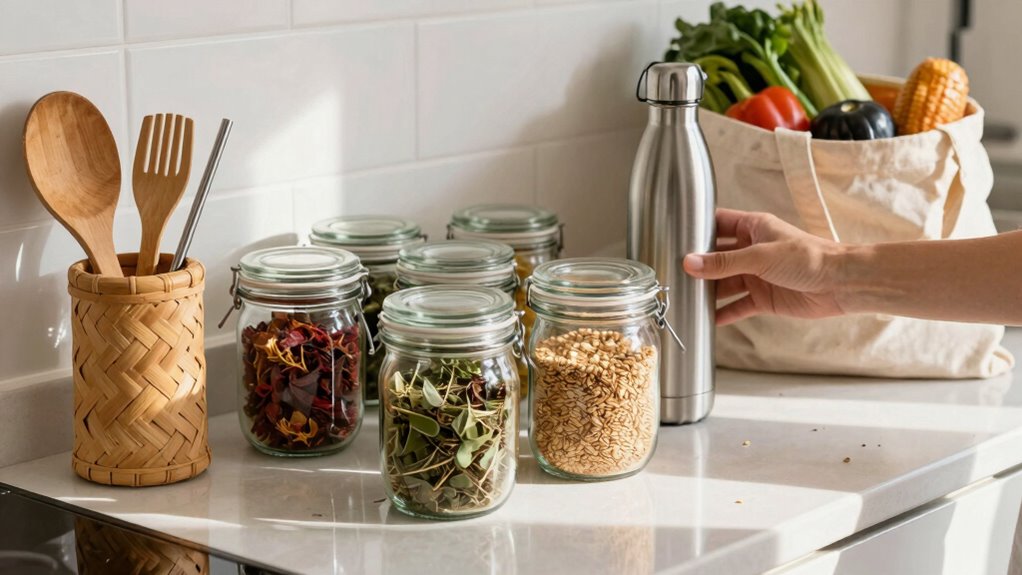

To make low-waste habits stick, focus on simple, manageable changes like using reusable bags, bottles, and containers. Incorporate composting for food scraps and yard waste to keep waste low and enrich your soil. Practice mindful purchasing by avoiding packaging and opting for secondhand items. Over time, these habits become second nature as they fit seamlessly into your daily routine. Keep exploring sustainable tips, and you’ll find even more ways to make lasting eco-friendly choices.

Get your next haul delivered free with Prime
- Fast, free delivery on millions of items
- Prime Video, Amazon Music and more included
- Member-only deals all year
Key Takeaways
- Start with simple, manageable changes like zero waste shopping and composting to build confidence and consistency.
- Incorporate reusable items into daily routines, such as water bottles and cloth napkins, to reinforce habits.
- Make eco-friendly choices automatic by integrating them into existing habits and routines.
- Stay informed and mindful about waste reduction to maintain motivation and identify new areas for improvement.
- Focus on gradual progress, recognizing small wins to sustain long-term low-waste behaviors.
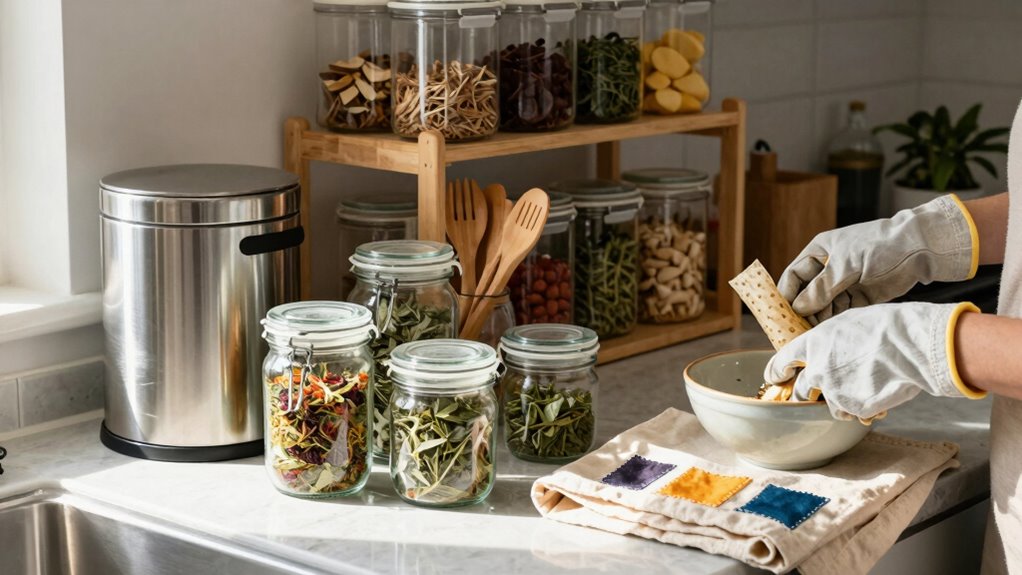
Adopting low-waste habits can markedly reduce your environmental footprint and make a positive impact on the planet. It’s a meaningful shift that doesn’t have to feel overwhelming if you focus on practices that genuinely stick. One of the easiest ways to start is with zero waste shopping. Instead of relying on packaged products, bring your own reusable bags, containers, and jars to the store. This simple change cuts down on single-use plastics and packaging waste. When you shop at bulk stores, you can fill your containers with grains, nuts, or spices, further minimizing packaging. Over time, you’ll find that this habit becomes second nature and substantially reduces your waste stream.
Another habit that really sticks involves composting essentials. Composting is a game-changer because it transforms food scraps and yard waste into nutrient-rich soil for your garden. To make composting work for you, start with the basics: a compost bin or pile, a mix of green materials (like vegetable scraps and coffee grounds), and brown materials (such as dried leaves and cardboard). Keep the bin aerated and moist, and you’ll quickly see how easy it is to divert food waste from landfills. As you get into the routine, composting becomes an automatic part of your weekly chores, and you’ll feel good knowing you’re reducing methane emissions caused by food waste in landfills. Biodiversity can benefit when compost enriches your soil, supporting healthier plants and local ecosystems. Additionally, understanding the impact of waste on the environment can motivate you to adopt more sustainable habits. Developing awareness about waste management can help you identify more opportunities to cut back on unnecessary consumption and disposal. Recognizing the importance of sustainable practices can inspire you to explore other eco-friendly habits that align with your lifestyle. Incorporating education and mindfulness into your routine further reinforces these habits and encourages continuous improvement.
Sustainable habits also stick when they become integrated into your daily routine. For example, carrying a reusable water bottle and coffee cup saves disposable cups and bottles. Using cloth napkins instead of paper ones, or swapping out plastic wrap for beeswax wraps, can become second nature with consistent practice. These small adjustments not only cut waste but also reinforce your commitment to a low-waste lifestyle. Over time, these habits become ingrained, requiring less conscious effort and making your lifestyle more sustainable effortlessly.
Finally, education and mindfulness play vital roles. Staying informed about waste reduction strategies and recognizing your own consumption patterns helps you identify new areas for improvement. For instance, choosing products with minimal packaging or opting for secondhand items can become automatic once you’re aware of their impact. The key is to start with manageable changes, like zero waste shopping and composting essentials, and build from there. These habits, when consistently practiced, become part of who you are, making your low-waste lifestyle sustainable in the long run.
Products Worth Considering

Levoit Eleva 300X HEPA Air Purifier for Home and Bedroom

LEVOIT Vital 200S-P Smart Air Purifier for Large Rooms

Hyperice Normatec Elite Wireless Compression Boots Recovery – Standard Size
As an affiliate, we earn on qualifying purchases.
Frequently Asked Questions
How Can I Start Reducing Waste With a Busy Schedule?
You can start reducing waste even with a busy schedule by incorporating simple eco-friendly packaging ideas, like reusable containers or beeswax wraps, for your meals. Set aside a few minutes daily or weekly for composting techniques, such as compost bins or worm farms, to manage food scraps efficiently. These small, manageable steps fit into your routine, helping you cut down on waste without feeling overwhelmed.
What Are Affordable Low-Waste Alternatives for Everyday Products?
Switching to affordable, eco-friendly packaging, reusable shopping bags, and refillable containers makes a big difference. You can find budget-friendly options like beeswax wraps instead of plastic wraps, or cloth bags instead of single-use plastic ones. These small changes save money and reduce waste. Reusing, repurposing, and choosing eco-friendly packaging are simple, effective ways to lower your environmental impact without breaking the bank.
How Do I Handle Waste Reduction in a Shared Household?
To handle waste reduction in a shared household, start by discussing recycling tips with everyone, ensuring trash is sorted properly. Encourage composting methods for organic waste, and create designated bins in accessible areas. Communicate openly about waste goals and make it easy for everyone to participate. You might also set weekly cleanup or composting routines, fostering a collective effort that makes low-waste living sustainable and less overwhelming for all housemates.
Are There Specific Low-Waste Habits Suitable for Children?
Imagine planting a seed of change—children’s eco-friendly habits grow strong with simple, kid-friendly waste reduction. Encourage them to recycle, reuse, and compost through fun activities and stories. Let them participate in packing lunch with minimal packaging and choosing reusable items. These habits, playful and engaging, turn waste reduction into a natural part of their daily lives. You’ll nurture eco-conscious kids whose habits flourish into lifelong commitments.
How Can I Stay Motivated to Maintain Low-Waste Habits Long-Term?
To stay motivated long-term, remind yourself of the positive impact your habits have on the environment. Tackle recycling challenges by setting up clear bins and learning proper disposal methods. Keep composting tips handy to make composting easier and more rewarding. Celebrate small successes, like reducing waste or composting regularly, to maintain your enthusiasm. Connecting with a community of eco-conscious people can also inspire you to stick with your low-waste habits.
Conclusion
By adopting these low-waste habits, you’re like a gardener tending a thriving, sustainable garden—each small effort cultivates a healthier planet. Remember, consistency is key; habits that stick grow strongest over time. Don’t get overwhelmed by big changes overnight. Instead, focus on simple, manageable steps that fit into your daily routine. Before you know it, these habits will become second nature, helping you reduce waste effortlessly and make a real difference for the environment.