
Some DIY projects save money when you plan carefully, choose quality materials, and pick projects suited to your skill level. Being realistic about costs and avoiding impulse buys helps prevent overspending. On the other hand, rushing into complex projects or using cheap supplies can lead to frequent repairs and higher long-term costs. If you want to discover how to make your DIY efforts truly budget-friendly, there’s more to uncover below.
Key Takeaways
- Proper planning and research prevent impulse buys and ensure cost-effective material choices.
- Starting with simple projects aligned with skill level reduces costly mistakes and waste.
- Investing in quality supplies and tools enhances durability, saving money over time.
- Rushing or skipping planning often leads to errors requiring professional help, increasing costs.
- Balancing DIY effort with professional assistance prevents expensive errors and project failures.
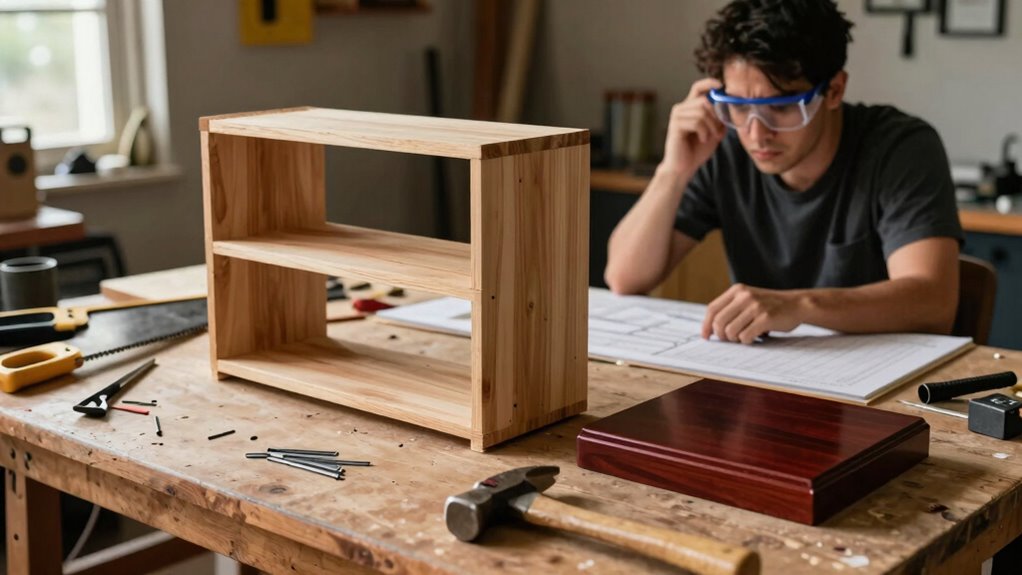
Many people turn to DIY projects hoping to save money, but sometimes, these efforts end up costing more than they save. It’s tempting to think that grabbing a few supplies and diving in will cut costs, but without proper planning, expenses quickly add up. For example, you might try upcycling furniture to create a custom piece for your home. While it’s a great way to breathe new life into old furniture, it can be pricey if you’re not careful. You might buy paint, new hardware, sanding supplies, or even tools you don’t already own, all of which can push the project beyond your initial budget. If you’re inexperienced, you may also encounter setbacks that require buying more materials or professional help, making the project more costly than simply purchasing a new piece.
Similarly, gardening hacks are popular DIY projects that seem straightforward and cost-effective—until you realize how quickly costs can add up. Seeds, soil, fertilizers, pots, and gardening tools can all be expensive, especially if you aim for a lush, thriving garden. Sometimes, you might buy cheap supplies that don’t last, forcing you to replace them often. Other times, you could spend on trendy gadgets or decorative elements that turn out to be unnecessary or ineffective. Without proper research, you risk investing in products that don’t deliver the results you desire, which leads to waste rather than savings. Additionally, understanding the cost-effectiveness of your DIY projects can help you make smarter choices and avoid unnecessary expenses. Conducting thorough research beforehand can help you identify the most affordable options and avoid impulse purchases. Being aware of the initial investment needed for certain DIY projects can help you determine whether the effort is truly worth it in the long run. In fact, recognizing the importance of budgeting and planning can make a significant difference in the success of your projects.
A good rule of thumb is to evaluate whether the long-term benefits justify the upfront costs and effort involved. The key to successful DIY projects lies in understanding your skill level, planning carefully, and setting realistic budgets. When upcycling furniture, it helps to start with simple projects that require minimal materials and experience. Look for pieces that only need minor repairs or cosmetic updates, so you avoid costly mistakes. For gardening hacks, focus on proven methods that suit your climate and space, and buy quality supplies that will last longer, saving you money over time. Also, consider borrowing or renting tools instead of buying them outright.
Ultimately, some DIY projects save money because they’re well-planned, affordable, and suited to your skill set. Others become money pits because they’re rushed, poorly researched, or driven by impulse. The difference is knowing when to move forward and when to call in a professional. With patience, research, and a realistic approach, you can turn your DIY efforts into genuine savings rather than waste.
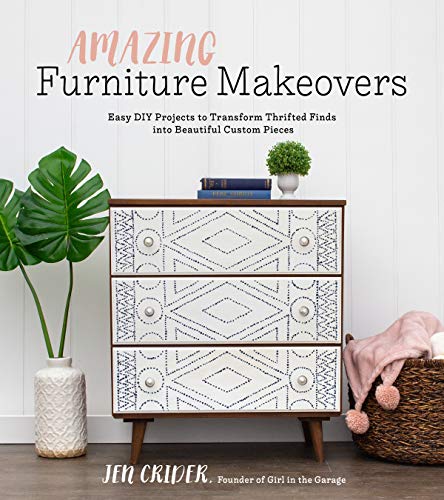
Amazing Furniture Makeovers: Easy DIY Projects to Transform Thrifted Finds into Beautiful Custom Pieces
As an affiliate, we earn on qualifying purchases.
As an affiliate, we earn on qualifying purchases.
Frequently Asked Questions
How Do I Determine if a DIY Project Is Cost-Effective?
To determine if a DIY project is cost-effective, start with a thorough cost analysis, comparing expenses like materials and tools against potential savings. Honestly assess your skill level to avoid costly mistakes, and consider if the project aligns with your abilities. If the total costs outweigh the benefits or your skill isn’t sufficient, it might be wiser to hire a professional or choose a simpler project to guarantee you don’t waste money.
What Tools Are Essential for Budget-Friendly DIY Projects?
For budget-friendly DIY projects, you need essential tools like reliable power tools, which make tasks quicker and easier. Invest in safety gear, such as goggles and gloves, to protect yourself while working. A basic toolkit—hammer, screwdrivers, measuring tape—also helps keep costs low. Prioritize versatile tools that can handle multiple tasks, and always wear safety gear to avoid costly accidents, ensuring your project stays affordable and safe.
How Can I Avoid Costly Mistakes in DIY Home Repairs?
Think of your DIY project as a tightrope walk—balance is key. To avoid costly mistakes, plan ahead and research thoroughly. Use creative shortcuts like Material substitutions to save money, but don’t sacrifice quality. Avoid rushing, and double-check measurements and instructions. By staying cautious and resourceful, you keep your project on track, preventing expensive errors that can turn a budget-friendly task into a costly misstep.
When Should I Hire a Professional Instead of DIY?
You should hire a professional when the cost comparison reveals that your skill assessment isn’t enough for the job’s complexity or safety requirements. If the project involves plumbing, electrical work, or structural changes, it’s best to call in experts to avoid costly mistakes. When you’re unsure about your abilities or the task exceeds your experience, hiring a professional guarantees quality work, safety, and long-term savings.
Are There Specific Projects That Always Save Money?
Certain simple, small-scale projects like painting, organizing, or minor repairs always save money. These tasks tend to be straightforward, requiring minimal tools and materials, preventing costly pitfalls. Budget tips include thorough planning, researching costs, and sticking to your skill set. When you choose projects with predictable processes and low risks, you minimize expenses and maximize savings, making DIY worthwhile and wallet-friendly.

Kynup 7-Piece Gardening Tools Set, Heavy Duty Garden Tools Kit with Garden Trowel, Garden Hand Shovel, Repotting Mat, Rust Resistant, Gardening Essentials & Supplies, Bag, Gifts Kits for Women
【7-PIECE ALL-IN-ONE GARDEN KIT】Highly praised by 98% of customers for its exceptional quality-to-price ratio.This gardening tool set includes…
As an affiliate, we earn on qualifying purchases.
As an affiliate, we earn on qualifying purchases.
Conclusion
Whether your DIY project saves or wastes money depends on your planning and skill. Think of it like steering a ship—you need to navigate carefully to avoid costly mistakes. With the right knowledge and patience, you can turn DIY efforts into treasures, not trash. Remember, a well-executed project is like a seed planted in fertile ground—growing value that lasts. So, steer wisely, and watch your efforts blossom into real savings.
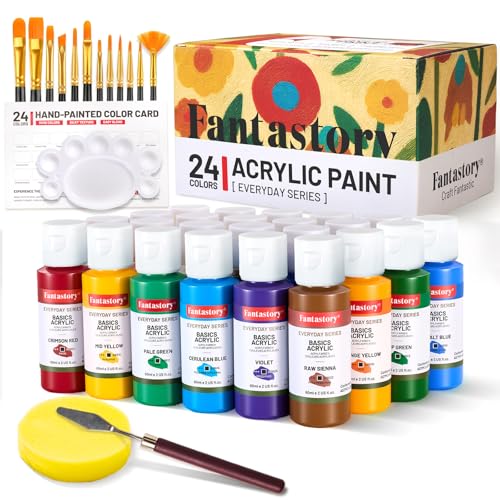
Fantastory Acrylic Paint Set, 24 x 60 ml with 12 Brushes; Christmas Acrylic Paint, Waterproof; For Artwork & DIY Projects on Canvas, Wood, Glass, Clay, Fabric, Ceramic, Paper, Canvas
🎨[ Excellent Painting Set ]:This set offering a one-stop solution with premium paints and versatile brushes. It is…
As an affiliate, we earn on qualifying purchases.
As an affiliate, we earn on qualifying purchases.

DEKOPRO Tool Set:Tool Kit with 8V Cordless Drill,Tool Box with Drill,Hand Drill Set for Men & Women,Home Tool Kits for House Repair,Handyman,DIY 126 Piece
【Lightweight Cordless Drill】The 8V drill set can be used for drilling in wood and plastic, and tightening/loosening screws.Press…
As an affiliate, we earn on qualifying purchases.
As an affiliate, we earn on qualifying purchases.