

The biggest career mistake ambitious people make is focusing too much on short-term gains like promotions and titles, while neglecting long-term stability. By rushing upward without considering future growth, skills, or relationships, you risk stagnation or burnout. Superficial networking and complacency with current expertise can also hold you back. To build a resilient, lasting career, you need balance and foresight. Keep exploring to uncover strategies that guarantee sustainable success.
Key Takeaways
- Prioritizing short-term promotions over long-term stability and sustainable growth.
- Building superficial networks without fostering genuine relationships and trust.
- Relying solely on current skills without continuous learning and adaptation.
- Ignoring industry trends and failing to proactively adapt to market changes.
- Focusing only on titles and targets, neglecting relationships and skill development.

Many ambitious people fall into the trap of focusing solely on climbing the career ladder without considering the long-term implications. You might think that achieving promotions, accumulating titles, or hitting sales targets is enough to guarantee success. But in your rush to advance, you could be overlooking critical aspects that sustain growth over the years. One of the biggest mistakes is falling into networking pitfalls—neglecting to build genuine, meaningful relationships that can support your development. You may attend events or connect with colleagues superficially, thinking that more contacts automatically translate into opportunities. However, a shallow network offers limited value when challenges arise or when you need mentorship and advice. True networking requires effort and authenticity; it’s about cultivating trust and offering value in return, not just collecting business cards or LinkedIn connections. Without this, you risk isolating yourself and missing out on collaborative opportunities that could propel your career forward. Developing digital marketing skills alongside networking can ensure you stay competitive in a rapidly evolving industry. Additionally, staying aware of emerging industry trends can help you anticipate shifts and adapt proactively, rather than reacting too late. At the same time, skill neglect emerges as a major pitfall. It’s tempting to believe that your current expertise will carry you indefinitely, especially after reaching a certain level of competence. But industries evolve rapidly, and skills that were once cutting-edge become outdated if you don’t proactively update them. By neglecting continuous learning, you jeopardize your relevance and limit your ability to adapt to new roles or responsibilities. Engaging in professional development is essential to maintaining a competitive edge. You might focus so heavily on climbing the ladder that you forget to sharpen your core competencies, leaving you vulnerable when market demands shift. Staying stagnant in your skillset can lead to stagnation in your career overall, regardless of how many titles you hold. Recognizing the importance of adaptability and embracing change can help you stay resilient in uncertain times. A proactive approach to learning new skills can significantly enhance your capacity to respond to industry disruptions. Combining these pitfalls, you may find yourself in a precarious position. Neglecting your network means losing out on mentorship, opportunities, and insider knowledge. Simultaneously, ignoring skill development hampers your ability to capitalize on those opportunities. The most successful professionals recognize that long-term career growth isn’t just about reaching the next rung; it’s about maintaining relevance, expanding your influence, and continuously evolving. If you focus only on climbing without nurturing your relationships or refining your skills, you risk hitting a plateau or falling behind. The key is to strike a balance—invest in meaningful connections and prioritize ongoing learning—so your career can grow sustainably and resiliently over time.
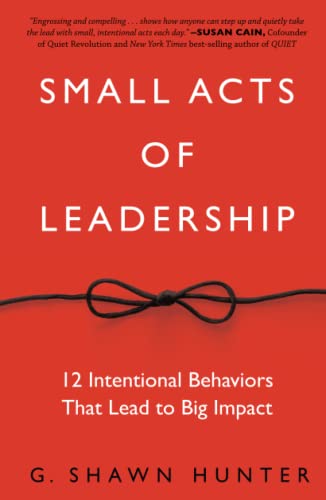
Small Acts of Leadership: 12 Intentional Behaviors That Lead to Big Impact
As an affiliate, we earn on qualifying purchases.
As an affiliate, we earn on qualifying purchases.
Frequently Asked Questions
How Can I Recognize if I’M Making This Mistake?
You might be making this mistake if you notice you’re avoiding networking opportunities or feeling stuck in your current skills. Networking pitfalls often lead to isolation, while skill stagnation signals you’re not challenging yourself enough. Pay attention if you’re not seeking new connections or learning new things. These signs suggest you’re overlooking growth chances, which can hold back your career. Stay proactive, expand your network, and keep sharpening your skills to avoid these setbacks.
What Are the Early Signs of Career Development Setbacks?
When you hit a rough patch, it’s often a sign you’re sailing into stormy waters. Early signs include skill gaps that hinder your progress and networking pitfalls that limit opportunities. You might notice stagnation in your role or feel undervalued. If you’re bypassing skill development or neglecting your network, these are red flags. Addressing these issues early keeps your career on course and prevents setbacks from snowballing.
How Does This Mistake Impact Long-Term Success?
This mistake can seriously hinder your long-term success by stalling your career growth and increasing the risk of professional setbacks. When you focus too narrowly or neglect ongoing development, you miss opportunities to evolve and adapt. Over time, this limits your potential, making it harder to reach higher roles or skills. Ultimately, it can create a stagnant career path, making it difficult to recover and thrive in competitive environments.
Can This Mistake Be Corrected After It Occurs?
Imagine hitting a dead-end alley in your career path—that’s when a career reassessment and skill diversification can steer you back on track. Yes, this mistake can be corrected; you just need to actively evaluate your goals, learn new skills, and shift your focus. Embracing change allows you to rebuild confidence, expand your opportunities, and guarantee you’re moving forward instead of stagnating in old habits.
What Mindset Shifts Help Avoid This Career Pitfall?
Adopting a growth mindset helps you see challenges as opportunities to learn, preventing stagnation. Embrace skill diversification to stay adaptable and open to new roles or industries. By valuing continuous learning and expanding your expertise, you reduce the risk of over-reliance on a single skill or path. Shifting your perspective to focus on growth and versatility keeps you proactive, resilient, and better equipped for long-term career success.

Easy PC Care: The essential IT support reference for your home or work computer (TY Business Skills)
As an affiliate, we earn on qualifying purchases.
As an affiliate, we earn on qualifying purchases.
Conclusion
If you keep making this one mistake, your career could stall forever, vanishing into a forgotten abyss of missed opportunities and unfulfilled potential. You might find yourself stuck in the same job, dreaming of more but never actually reaching it—like a hamster trapped on a never-ending wheel. Don’t let that happen to you. Break free, learn from this mistake, and catapult yourself into a future so bright, it’ll make everyone else’s careers look dull in comparison.

Risk Analysis in Engineering: Techniques, Tools, and Trends
- Condition: Used Book in Good Condition
As an affiliate, we earn on qualifying purchases.
As an affiliate, we earn on qualifying purchases.

On Course Study Skills Plus Edition (MindTap Course List)
As an affiliate, we earn on qualifying purchases.
As an affiliate, we earn on qualifying purchases.