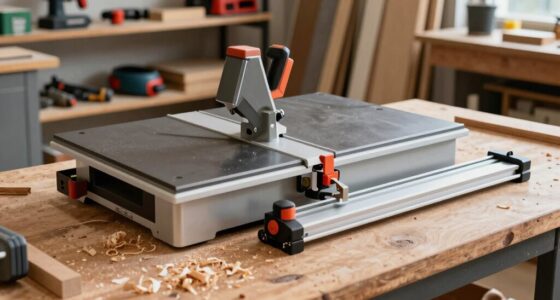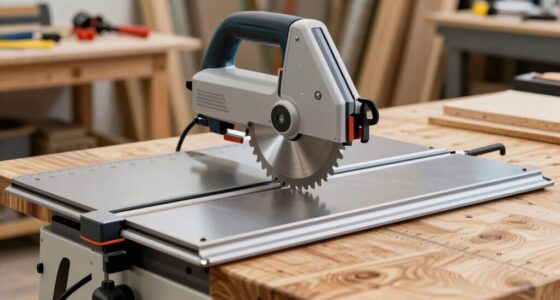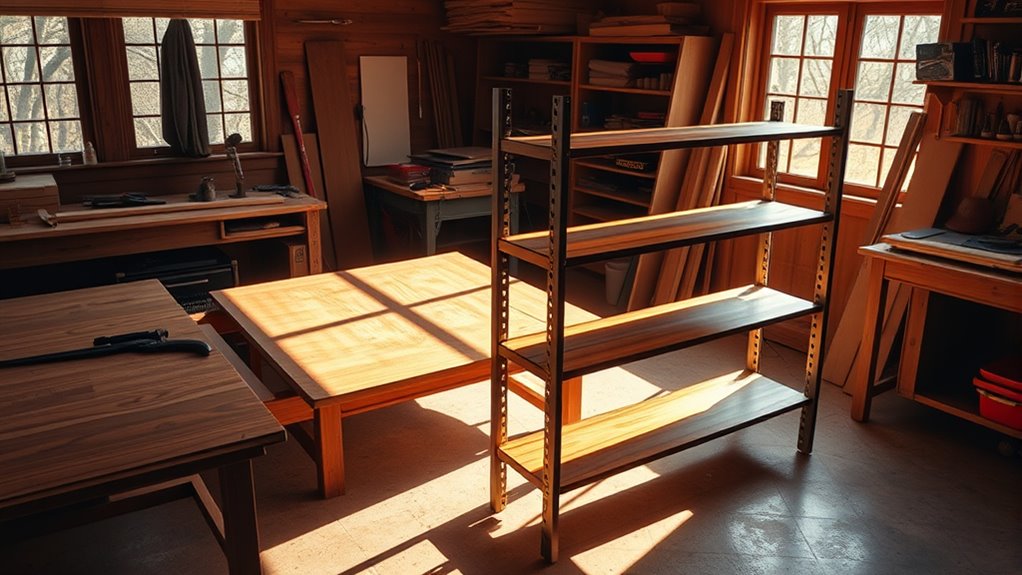

Creating custom shelving units can enhance your space by maximizing storage and showcasing your personal style. Start by measuring the area and planning your design around your favorite items. Choose materials like wood for warmth or metal for a modern look, ensuring they’re sturdy enough to hold your belongings. Once installed, style your shelves with books, plants, and decor for a coordinated appearance. If you’re curious about detailed steps and tips, there’s more to explore about the process.

Get your next haul delivered free with Prime
- Fast, free delivery on millions of items
- Prime Video, Amazon Music and more included
- Member-only deals all year
Key Takeaways
- Evaluate your available space by measuring height, width, and depth to ensure a perfect fit for custom shelving units.
- Choose materials like wood for warmth or metal/glass for a modern look, ensuring they can support the intended weight.
- Sketch initial designs that match your home decor style and visualize how the shelves will integrate into your space.
- Gather carpentry tools for installation, or consider hiring a professional for secure and precise mounting of the shelves.
- Style your shelves with a mix of books, plants, and decor, using visual grouping techniques for a balanced and appealing arrangement.
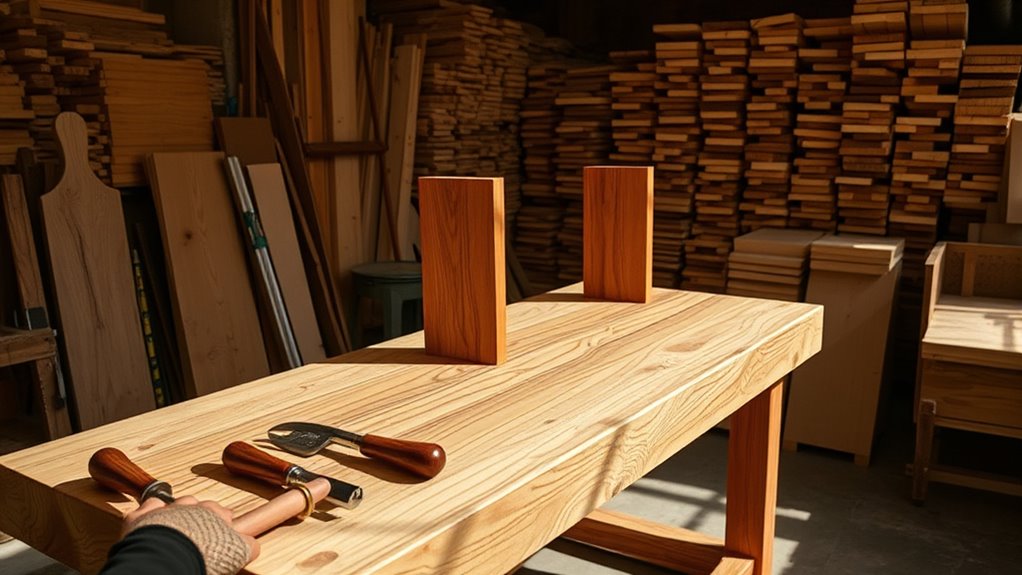
Whether you’re looking to maximize space in a small room or showcase your favorite books and decor, creating custom shelving units can transform your home. These units not only serve a practical purpose but also add a personal touch to your living space. You may find that designing your own shelves allows you to tailor them to your needs, reflecting your style while optimizing the available area.
Custom shelving units can transform your home by maximizing space and showcasing your favorite books and decor, reflecting your personal style.
Start by evaluating the space you have. Measure the height, width, and depth of the area where you want to install the shelves. Consider the items you plan to place on them. If you’re displaying books, you’ll want shelves that can accommodate various sizes, while decorative items might require different spacing. A well-thought-out plan will save you time and ensure you end up with a functional design.
Next, think about the materials. Wood is a classic choice, offering durability and a warm aesthetic. You can also explore metal or glass for a more modern look. Mixing materials can create a unique design that stands out. Make sure your chosen materials can handle the weight of your items. If you’re unsure, consulting with a professional can help you make informed decisions about the weight capacity of the shelves.
Once you have your measurements and materials in mind, sketch out your design. Consider the style of your home—whether it’s contemporary, rustic, or eclectic—and let that guide your choices. You can opt for open shelving for a more airy feel or closed cabinets for a cleaner look. Visualizing your design will help you see how everything comes together.
After finalizing your design, it’s time to gather your tools and materials. You’ll need basic carpentry tools, like a saw, drill, and level, depending on your chosen style. If you’re not comfortable with DIY, hiring a professional can be a great option. They’ll ensure everything is installed securely and looks polished.
Once your shelving unit is installed, it’s time to style it. Arrange your books, plants, and decor in an aesthetically pleasing way. Consider grouping items in odd numbers or mixing different heights to create visual interest. Don’t be afraid to switch things around until it feels right. Custom shelving units are a reflection of your personality, so make them uniquely yours.
In the end, creating custom shelving units will not only enhance your space but also provide storage solutions tailored to your lifestyle. Enjoy the process, and take pride in the final result!
As an affiliate, we earn on qualifying purchases.
Frequently Asked Questions
What Materials Are Best for Outdoor Shelving Units?
For outdoor shelving units, you’ll want materials that can withstand the elements. Consider using weather-resistant wood like cedar or redwood, as they’re naturally durable. Metal options like aluminum or stainless steel are also great choices since they resist rust. If you prefer a synthetic option, high-density polyethylene (HDPE) is UV-resistant and won’t warp. Make certain to choose finishes or treatments that enhance longevity, keeping your shelving looking good and functional for years to come.
How Do I Choose the Right Shelf Height?
Choosing the right shelf height can feel like a monumental task, but it doesn’t have to be! Start by considering what you’ll store. For books, a height of 12 to 15 inches works wonders. If you’re displaying decor, go for 10 inches. Also, think about accessibility—make sure you can easily reach everything without a ladder. Measure your space, and don’t forget to leave some room for growth in your collection!
Can I Install Shelving Units on Drywall?
Yes, you can install shelving units on drywall, but you’ll need to guarantee they’re secure. Use drywall anchors for added support, especially for heavier items. First, locate the studs for maximum stability; if you can, screw directly into them. If you’re only using drywall, opt for heavy-duty anchors to distribute the weight. Measure carefully, and always check level before securing the shelves to avoid any mishaps later on. Happy shelving!
What Tools Do I Need for Assembly?
To assemble your shelving units, you’ll need a few essential tools. Grab a drill for making holes, a screwdriver for tightening screws, and a level to make sure everything’s straight. Don’t forget a measuring tape to get accurate dimensions and a stud finder to locate strong points in your wall. If you have a hammer, it’s handy for any adjustments. With these tools, you’re all set to create your perfect storage solution!
How Do I Maintain My Custom Shelving Units?
To maintain your custom shelving units, regularly dust them with a microfiber cloth to prevent buildup. Check for any loose screws or joints and tighten them as needed. If your shelves are made of wood, consider applying a wood polish occasionally to keep them looking fresh. Avoid placing heavy items on the edges to prevent sagging. Finally, confirm they’re in a dry environment to prevent moisture damage.
As an affiliate, we earn on qualifying purchases.
Conclusion
By crafting your own custom shelving units, you’re not just organizing your space; you’re transforming it. It’s often said that a well-arranged shelf can spark creativity and inspiration. This theory holds water—studies show that our environment markedly impacts our mindset. So, as you build your shelves, think about how they’ll enhance your surroundings and boost your productivity. Immerse yourself in this project and discover how a few boards and brackets can lead to boundless possibilities!
As an affiliate, we earn on qualifying purchases.
As an affiliate, we earn on qualifying purchases.
Fall Picks
fall essentials
As an affiliate, we earn on qualifying purchases.